
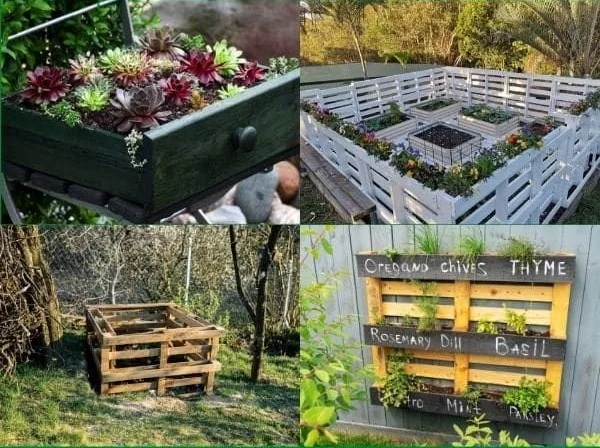
Introduction to 25 Everyday Things You Can Upcycle in the Garden
Have you ever wondered how to transform everyday items into beautiful, functional pieces for your garden? Upcycling is a fantastic way to breathe new life into discarded materials while enhancing your outdoor space. Instead of buying new planters, bird feeders, or trellises, consider utilizing items you might otherwise throw away. Not only is this method eco-friendly, but it also saves money and adds a unique touch to your garden’s aesthetic.
With minimal investment in materials and tools, transforming household waste into charming garden fixtures is both practical and fulfilling. Whether you’re a seasoned DIY enthusiast or just starting out, this guide will show you how to upcycle with creativity and ease. You’ll be amazed at how quickly you can create stunning garden accessories from simple items you already have at home.
So, if you’re ready to roll up your sleeves, let’s dive into the wonderful world of upcycling. From pallets to plastic bottles, we’ll explore 25 everyday things that can be upcycled in the garden. You’ll discover that with a little time, creativity, and effort, your garden can become a vibrant, personalized sanctuary.
Table of Contents
Key Benefits of 25 Everyday Things You Can Upcycle in the Garden
Why You’ll Love This Build
- Eco-Friendly: Upcycling reduces waste and promotes sustainability.
- Cost-Effective: Save money by repurposing items you already own.
- Creativity: Showcase your personal style by customizing your garden decor.
- Durability: Many upcycled materials can be surprisingly sturdy and long-lasting.
- Versatility: There are countless ways to adapt and modify items for various uses.
- Unique Touch: Each piece you create has a story and reflects your individuality.
What Makes It Stand Out
Upcycling stands out for its originality and the endless customization options it presents. Unlike store-bought items that can feel generic or impersonal, upcycled materials carry a unique character, making your garden feel distinctly you. Whether you’re creating a rustic wooden planter from pallets or a quirky birdhouse from old tin cans, these projects infuse warmth and charm into your outdoor space.
What’s more, upcycled projects often shine in their functionality. For instance, an old wheelbarrow can serve as a whimsical planter, while glass jars can be turned into delightful lanterns. These creative reinventions not only add beauty but also demonstrate practical repurposing of materials that would otherwise go to waste.
Project Specs for 25 Everyday Things You Can Upcycle in the Garden
At-a-Glance Details
- Skill Level: Beginner to Intermediate
- Estimated Time: Varies per project (1-3 hours)
- Estimated Cost: Under $50, depending on materials
- Dimensions: Varies per item
- Indoor/Outdoor Suitability: Primarily outdoor uses
- Tools Needed at a Minimum: Scissors, drill, hammer, measuring tape, adhesive
Materials and Tools for 25 Everyday Things You Can Upcycle in the Garden
Complete Materials List with Measurements
- Wooden pallets: Various sizes (ideal for planters, benches)
- Plastic bottles: 1 to 2-liter sizes (great for vertical gardens)
- Old furniture: Chairs or tables (can be transformed into planters)
- Tin cans: 12 oz. sizes (perfect for rustic lanterns or pots)
- Glass jars: Both small and large (great for candle holders)
- Old tires: Various sizes (ideal for unique plant beds)
- Used wooden crates: Standard size (excellent for storage or planters)
Complete Tools List
- Scissors: For cutting fabric or plastic
- Drill: For creating drainage holes in pots
- Hammer: For assembling wooden pieces
- Measuring tape: For accurate dimensions
- Adhesive: Waterproof glue or sealant
Substitutes and Alternatives
If you find yourself lacking certain materials, don’t hesitate to get creative. Old wooden furniture, like a chair or side table, can often be repurposed in lieu of pallets to create striking plant stands or quirky garden features. Additionally, instead of tin cans, any unused plastic container can suffice to make outdoor planters.
For tools, if you don’t have a drill, a simple screwdriver can be an alternative for certain projects, although it may take more effort. When it comes to adhesives, any strong, waterproof glue can be used as a substitute for traditional adhesives, ensuring your upcycle holds strong against the elements.
Cut List and Measurements for 25 Everyday Things You Can Upcycle in the Garden
- Pallet Sections: Cut into 24” x 18” (61 cm x 46 cm) for planter boxes.
- Plastic Bottles: Cut top section off, leaving a 6” (15 cm) base.
- Wooden Crates: No cuts needed, but may need sanding for rough edges.
- Tin Can Openings: Cut a 3” (7.6 cm) hole at the bottom for drainage.
- Glass Jar Lids: Use as bases for candle holders; no cuts necessary.
Safety and Prep for 25 Everyday Things You Can Upcycle in the Garden
Safety comes first when embarking on any upcycling project. Make sure to wear gloves, particularly when handling sharp edges on tin cans or broken pottery. If you’re working with wood or metal, safety glasses can protect your eyes from dust and debris.
Prepare a clean, well-lit workspace allowing enough room to maneuver your materials. Accurate measurements are crucial, so have a measuring tape handy to ensure all pieces fit together as intended. Clamp items securely when cutting or drilling to promote safety and precision.
How to Build 25 Everyday Things You Can Upcycle in the Garden – Step-by-Step Directions
Step 1 – Prep and Layout
Gather your materials in a clean area. For wooden pallets, take the time to inspect and lay them out according to your intended design. Make sure to measure and mark where cuts or modifications will be made.
Step 2 – Cut and Label Pieces
Using your measuring tape, cut the sections of pallets or wood as needed. For plastic bottles, cut off the tops in a straight line. Label each piece clearly to make assembly easier down the line.
Step 3 – Dry Fit and Mark Joinery
Before gluing or screwing anything together, dry fit your pieces. This helps identify any adjustments needed. Use a pencil to mark where screws or nails will go, ensuring alignment and strength in your build.
Step 4 – Assemble the Frame/Body
Begin assembling your base. For a wooden planter, connect the pallet pieces together with screws or nails. Make sure to maintain a sturdy connection by driving the screws into the marked positions.
Step 5 – Reinforce and Square
Check that the structure is square by measuring diagonals. This ensures stability and avoids wobbling. Add additional screws for reinforcement at corners or any areas of weakness.
Step 6 – Attach Surfaces or Panels
If you’re building a planter, now it’s time to attach the base or side panels. Use waterproof adhesive in conjunction with screws to secure these parts. Ensure gaps are small and tight for soil retention.
Step 7 – Sanding and Edge Treatment
Once assembled, sand down any rough edges. Start with a coarse grit and gradually move to finer grit for a smooth finish. This will enhance the safety and aesthetics of your upcycled project.
Step 8 – Finish Application
Finally, consider applying a protective finish to enhance durability. Use outdoor-friendly paint, stain, or sealer. Allow ample time for drying between coats, typically 24 hours, before placing in the garden.
FAQ
What common items can I upcycle for my garden?
You can upcycle items like wooden pallets, plastic bottles, tin cans, old furniture, and glass jars.
Do I need special skills to upcycle effectively?
No special skills are required. Basic tools and materials can be used, along with creativity, to create many items.
How do I ensure the upcycled items are safe for plants?
Make sure to remove any coatings or contaminants from the original items, and use food-safe finishes if necessary.
Can upcycled garden items withstand the weather?
Yes, with proper treatment and finishing, many upcycled items can withstand outdoor conditions effectively.
Are there any environmental benefits to upcycling?
Absolutely! Upcycling reduces waste in landfills and promotes the use of existing materials, which helps conserve resources.
How much can I save by upcycling?
The savings can vary widely, but many upcycling projects can be completed for under $50, significantly less than purchasing new garden items.