
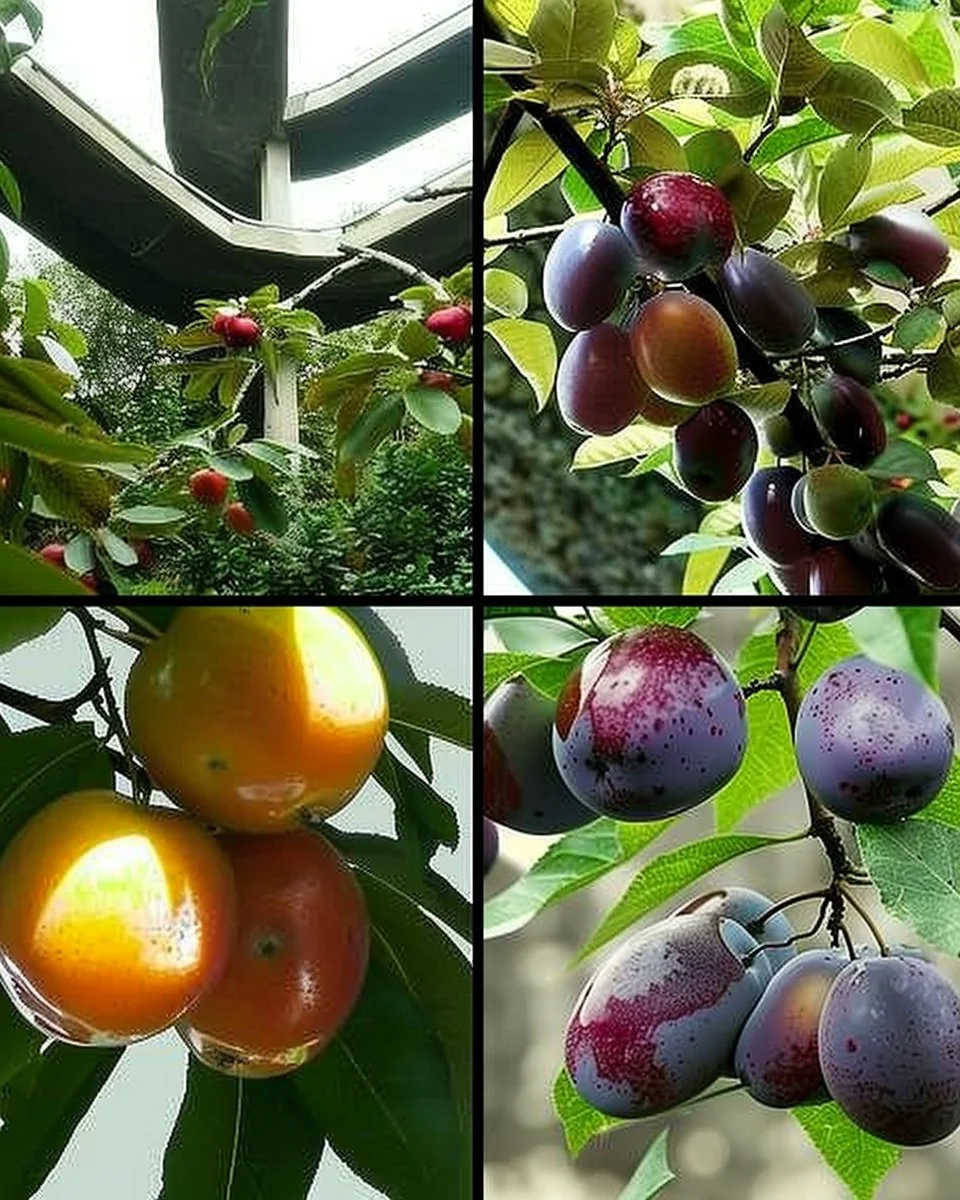
Introduction
I still remember the first summer my tiny patio produced a surprise basket of crisp apples from a single pot — the thrill of harvesting fruit from a tree you can hug is hard to beat. If you’re cramped for space but dream of fresh fruit, dwarf trees are the secret weapon. This guide on 24 Types of Dwarf Fruit Trees will walk you through which trees to choose, how to plant and care for them, and practical tips for success whether you have a balcony, a small yard, or a raised bed.
If you want an extra compact orchard checklist while you read, this compact orchard guide can give you quick reference ideas. Have you ever wondered which dwarf varieties will bloom fastest, or which rootstocks handle drought better? Keep reading — you’ll get variety suggestions, planting techniques, pruning and fertilizing routines, and container tips to make the most of every square foot.
Table of Contents
Choosing Dwarf Rootstocks
Choosing the right rootstock is the foundation of success with dwarf trees. Rootstocks determine mature size, cold hardiness, and how quickly a tree starts producing.
Dwarf vs Semi-Dwarf
Dwarf trees typically reach 6–10 feet, whereas semi-dwarf varieties grow 10–16 feet. Dwarf trees are perfect for patios and raised beds; semi-dwarfs suit slightly larger small yards. If you want many different species in a tight space, dwarf rootstocks are the go-to.
Rootstock and Climate
Match rootstock to your hardiness zone. Some rootstocks tolerate wet soils, others are drought-hardy. For example, apple trees on M.9 rootstock stay compact but need well-drained soil and winter protection in cold zones. Always ask your nursery about the rootstock — it’s as important as the variety.
Pollination Needs
Dwarf trees may still need cross-pollination to set fruit. Apples often require a compatible partner, while many stone fruit varieties are self-fertile. Planning for pollinators and compatible varieties helps ensure full crops from the 24 Types of Dwarf Fruit Trees you choose.
Popular Dwarf Varieties
When people ask me which trees to plant first, I start with these reliable, easy-care types. Below are groupings of dwarf varieties that perform well in small spaces.
Dwarf Apple Varieties
- Gala on M.9: Early-bearing and sweet, great for containers.
- Honeycrisp on B.9: Flavorful, requires good soil and cold winters.
- Fuji on M.26: Later-bearing, stores well, compact when grafted on dwarfing rootstocks.
Apples are versatile and some dwarf apples can be espaliered against a wall to save space. Among the 24 Types of Dwarf Fruit Trees, apples are often the easiest to find and train.
Dwarf Stone Fruit Varieties
- Dwarf Peach (‘Bonanza’): Bred specifically for containers; small size, big flavor.
- Dwarf Nectarine: Similar care to peach, fewer fuzz concerns.
- Dwarf Plum (‘Pixy’): Compact and often self-fertile.
Stone fruits can be more disease-prone, but good variety selection and airflow (pruning) reduce problems.
Dwarf Citrus Varieties
- Meyer Lemon on Flying Dragon: Fragrant flowers and edible fruit in pots.
- Calamondin Orange: Ornamental and useful for marmalades.
- Key Lime: Warm-season favorite for patio growers.
If you live in a zone with mild winters or plan to overwinter indoors, citrus makes a gorgeous, productive addition to the 24 Types of Dwarf Fruit Trees list.
Planting and Spacing
Getting the planting right prevents many headaches later. Small trees still need thought when it comes to soil, spacing, and initial care.
Soil Preparation
Test your soil pH and amend accordingly. Most fruit trees prefer slightly acidic to neutral pH (6.0–7.0). For heavy clay, add compost and coarse sand to improve drainage. A well-prepared planting hole (double the width of the rootball, same depth) helps roots spread and establish quickly.
Planting Technique
Place the graft union a couple inches above the soil in cold climates and at soil level in warm climates. Backfill gently, water deeply to remove air pockets, and mulch to retain moisture — but keep mulch an inch or two away from the trunk to avoid rot. Even though they’re small, the right planting technique helps the 24 Types of Dwarf Fruit Trees reach their productive potential faster.
Care And Maintenance
Dwarf trees are lower maintenance than standards, but consistent care yields better fruit and fewer problems.
Pruning Tips
Prune to open the canopy for light and airflow. For apples and pears, train a central leader or an open-vase form depending on your preference. With peaches and nectarines, annual renewal pruning encourages fruiting wood. Keep cuts clean and make them at a slight angle.
Ask yourself: Do you want a tidy patio specimen or a productive miniature orchard? Your pruning style will reflect that answer.
Fertilizing Schedules
Young trees need balanced fertilizer the first two seasons to build structure (e.g., 10-10-10). After establishment, switch to slightly higher nitrogen feeds in early spring, then reduce in late summer to avoid late-season growth that can be damaged by frost. Organic options like composted manure and fish emulsion work well for containers and in-ground plantings alike.
Watering Essentials
Dwarfs have smaller root systems and often need more frequent watering than larger trees, especially in containers. Deep, infrequent watering encourages deeper roots; however, in hot weather weekly deep watering may be necessary. Use mulch to moderate soil moisture and protect roots from temperature swings.
Container Growing
One of the joys of dwarf trees is that many do wonderfully in pots, bringing orchards to balconies and patios.
Choosing Pots
Select sturdy containers with good drainage. For most dwarf fruit trees, start with a 15–20 gallon pot and move up as the tree grows. Terracotta looks great but dries out faster than glazed pots; plan your watering accordingly.
Soil Mixes For Containers
A high-quality potting mix blended with compost and a bit of coarse perlite or pumice provides drainage and nutrients. Container trees need regular feeding because nutrients leach out with frequent watering, so plan monthly balanced fertilization during the growing season.
Have you tried growing a dwarf tree in a container? It’s one of the fastest ways to get fruit without committing yard space. Among the 24 Types of Dwarf Fruit Trees, many were selected for container performance — pay attention to the nursery notes.
Pest And Disease Management
The compact nature of dwarf trees helps you spot issues early. Regular inspection is your best defense.
- Monitor for aphids, scale, and mites; spray horticultural oil in dormant season if needed.
- Use sticky traps for codling moths on apples and pheromone traps to time treatments.
- Prevent fungal diseases through proper pruning, spacing, and avoiding overhead watering.
Integrated pest management — combining cultural practices, biological controls, and targeted treatments — keeps your small orchard healthy without heavy chemical reliance.
Harvesting and Storage
Dwarf trees often ripen fruit earlier since the canopy receives more sun. Taste is the best judge — harvest when sugar and flavor peak. Most apples and pears can be stored in a cool, humid place for weeks to months; stone fruits are best eaten soon after ripening.
Label varieties clearly when you plant multiple dwarf species; I once mixed up two apple varieties and learned the hard way that a tidy tag saves guesswork at harvest time.

Conclusion
Growing any of the 24 Types of Dwarf Fruit Trees gives you fresh flavor, seasonal beauty, and the satisfaction of tending productive plants in small spaces. Whether you’re choosing rootstocks, training a tree against a fence, or selecting the perfect pot, the key is planning — match varieties to your climate and space, give consistent care, and enjoy the quick rewards dwarf trees offer.
If you’re ready to expand your collection and live in USDA Zone 7, consider ordering from Perfect Plants’ Zone 7 dwarf fruit trees collection to find nursery-tested options that fit your area.
FAQs
Q: How many of the 24 Types of Dwarf Fruit Trees can I grow in a 10×10 foot area?
A: You can comfortably grow 3–6 dwarf trees with careful spacing and pruning; consider espalier or multi-graft trees to increase variety without crowding.
Q: Are dwarf fruit trees more disease-prone than full-size trees?
A: Not necessarily. Dwarf trees can be easier to manage for pests and diseases because they’re smaller and more accessible, making inspections and treatments simpler.
Q: Can I overwinter dwarf citrus indoors?
A: Yes. Move potted citrus to a bright, cool indoor spot before temperatures drop below 45°F. Reduce watering and fertilizing while indoors.
Q: Do dwarf fruit trees produce the same quality fruit as standard trees?
A: Yes. Fruit quality is generally the same, since scions (cultivar wood) determine fruit characteristics; rootstock impacts size and vigor, not flavor.
Q: How soon will dwarf trees bear fruit?
A: Many dwarf trees begin fruiting 1–3 years after planting, depending on species, rootstock, and care. Proper pruning and fertilization can accelerate reliable production.