
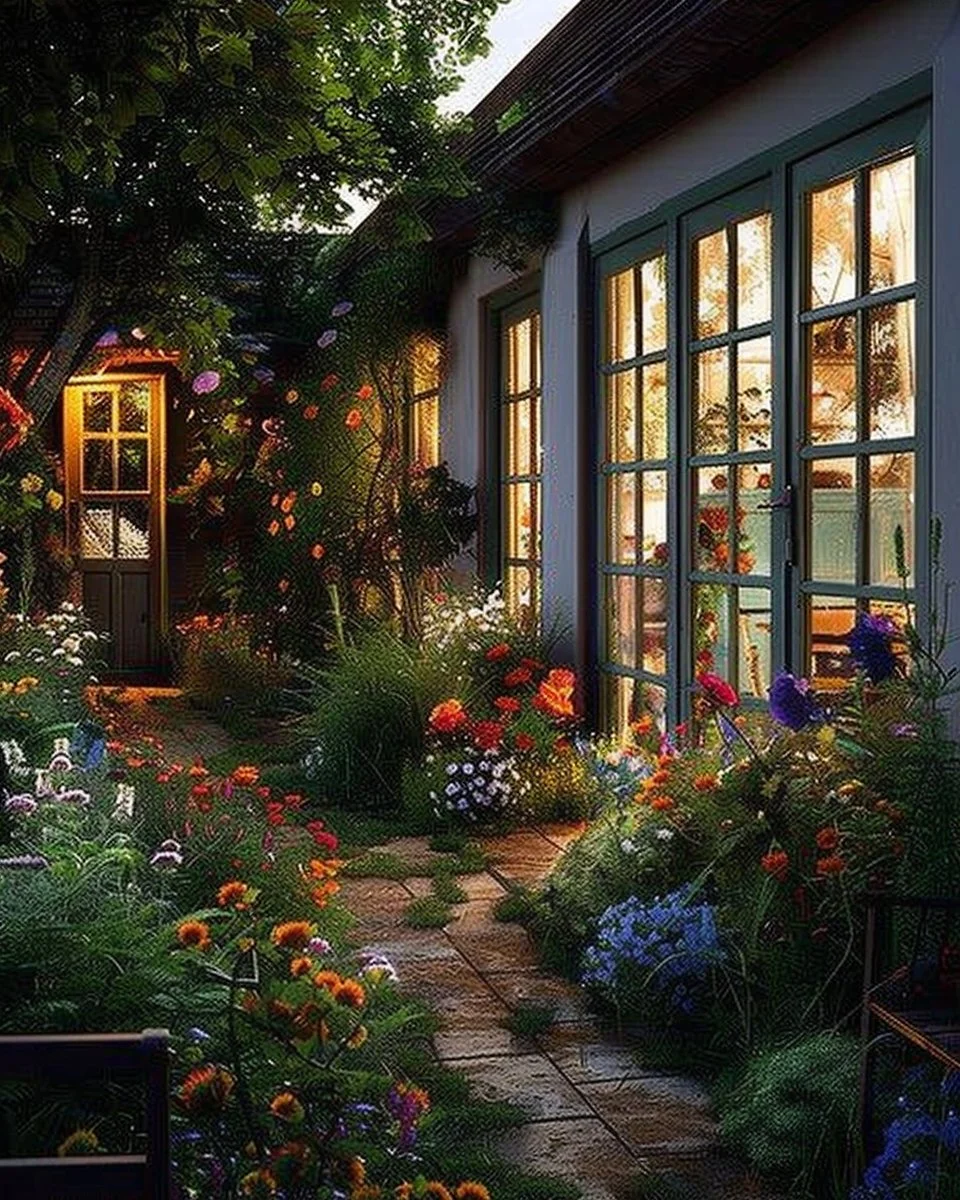
Introduction
Gardening can be one of the most rewarding hobbies you can take up. Imagine stepping into your backyard, surrounded by vibrant plants, beautiful blooming flowers, and maybe a little produce you cultivated yourself. However, making the most of your outdoor space requires more than just planting seeds and waiting for them to grow. That’s where a well-thought-out design comes into play. Whether you have a sprawling yard or a cozy balcony, applying the 24 Creative Garden Layout Tips to Elevate Your Home Landscape can transform your outdoor area into a serene escape or an entertaining haven. In this article, we’ll explore various strategies to make your home garden not only beautiful but functional and enjoyable as well.
Table of Contents
Choosing a Theme for Your Garden
Deciding on a theme can guide every aspect of your garden design, making your space feel cohesive. Think about what resonates with you. Are you drawn to a cottage garden style with wildflowers and rustic wooden benches, or would you prefer a sleek, modern garden with straight lines and monochromatic plants?
Color Schemes to Consider
Your color palette can set the mood of your garden. Warm colors like reds and oranges can create a vibrant atmosphere while cool colors like blues and greens induce calmness. Consider planting flowers that bloom at different times throughout the year to keep your garden visually interesting as seasons change.
Seasonal Planting Strategies
To keep your garden looking fresh year-round, research which plants thrive in your climate during different seasons. This information can help you plan your layout for spring blooms, summer foliage, autumn hues, and winter evergreens.
Maximizing Space in Small Gardens
If you don’t have a large outdoor area, don’t fret! Small gardens can be incredibly charming and functional with the right strategies.
Vertical Gardening Techniques
Using vertical space can dramatically increase your planting area. Consider wall planters, trellises, or hanging pots. Plants like climbing roses or peas can make dramatic statements while increasing your yield.
Container Gardening Ideas
Container gardening not only helps save space but also adds flexibility. You can arrange your pots to create diverse looks throughout the seasons. Herb gardens on your patio or a vibrant flower mix by your steps can help enhance your front yard’s entryway.
Creating Zones in Your Garden
Establishing different zones within your garden can help create a multifunctional space that suits various activities.
Relaxation Areas
Having a quiet space dedicated to relaxation can enhance your garden experience. Consider adding a bench, hammock, or a small bistro set where you can enjoy your morning coffee or unwind with a good book.
Play Spaces for Kids
If you have children, think about incorporating elements that engage them. Miniature gardens, forts created from shrubbery, or a small sandbox can provide a fun and imaginative environment.
Focal Points That Attract Attention
Creating focal points can enhance the visual appeal of your garden.
Water Features
A small pond, fountain, or birdbath adds sound and movement to your space, attracting wildlife and bringing a sense of tranquility.
Garden Statues and Art
Incorporating art pieces or sculptures can provide personality and uniqueness to your garden layout. From whimsical to classic, choose pieces that speak to you and your theme.
Utilizing Pathways and Borders
Walkways and borders not only guide foot traffic but also help to define your garden’s layout.
Material Options for Walkways
Choose materials that complement your garden’s theme. Gravel paths or stone pavers suit rustic styles, while sleek concrete works well with modern designs.
Using Edging for Defined Spaces
Edging can be a simple yet effective way to separate different garden beds and paths. Use bricks, stones, or even some plants for a natural look to keep everything tidy.
Planting for Wildlife and Pollinators
Creating a biodiverse garden supports local wildlife, including beneficial insects.
Choosing Native Plants
Native plants are often better adapted to your local climate and require less maintenance. Plus, they provide food and shelter for bees, butterflies, and other essential pollinators.
Creating Habitats for Beneficial Creatures
Little additions, such as brush piles or small rockeries, can offer habitats for various organisms, enhancing the ecosystem of your garden.
Maintenance Tips for a Thriving Garden
Maintaining your garden can sometimes feel overwhelming. However, with a care plan, you can keep everything flourishing without a huge amount of effort.
Seasonal Care Tasks
Different seasons come with different tasks—pruning in spring, mulching in summer, and cleaning up fallen leaves in autumn. Staying on top of these annual tasks can help keep your space looking its best.
Sustainable Gardening Practices
Utilizing composting, rainwater collection, and organic pest control can not only improve your garden’s health but also benefit the environment. These eco-friendly practices can save you time and resources in the long run.
Conclusion
Transforming your home landscape doesn’t have to be a daunting task. By implementing even a few of these 24 Creative Garden Layout Tips to Elevate Your Home Landscape, you can create a personal haven that reflects your style and serves your needs. Remember, gardening is a journey—it takes time and patience. So, whether you’re crafting a cozy retreat or cultivating a vibrant gathering space, enjoy the process and take pleasure in watching your efforts bloom over time.
FAQs
Q: What’s the best way to pick a theme for my garden?
A: Think about your personal style and the atmosphere you want to create. Research different garden styles and see what resonates with you!
Q: Can I create a beautiful garden in a small space?
A: Absolutely! With the right techniques like vertical gardening and container planting, small spaces can be both functional and stunning.
Q: How can I attract more pollinators to my garden?
A: Plant a variety of native flowers and create diverse habitats; these will help attract beneficial insects and pollinators to your space.
Q: What maintenance tasks should I prioritize in my garden?
A: Focus on seasonal tasks like pruning, weeding, and mulching to keep your garden healthy and looking great throughout the year.
Q: Is it necessary to follow a strict layout for my garden?
A: Not at all! While having a plan can help, gardens can evolve over time. Feel free to experiment and adjust your layout as you discover what works best for you.