
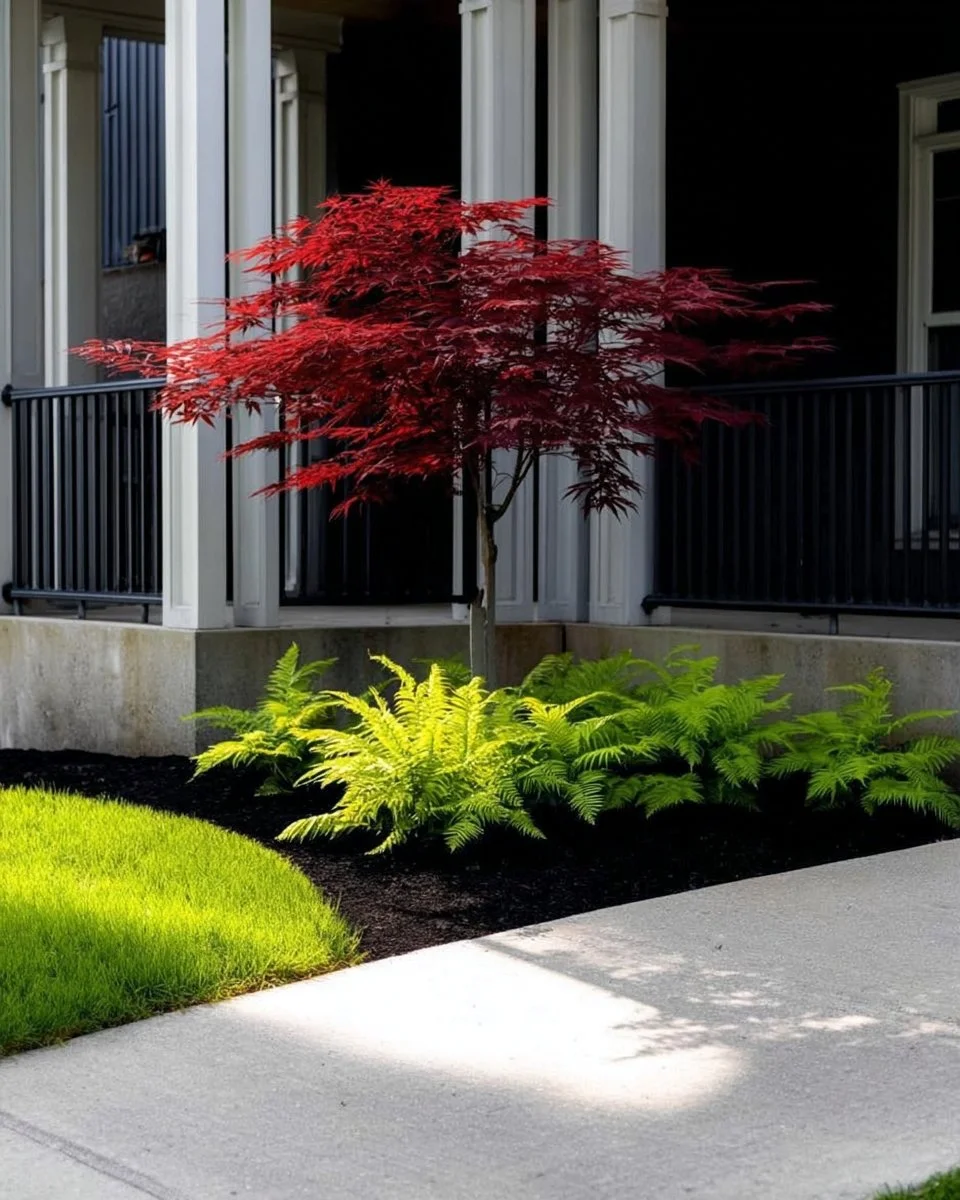
If you’re seeking a stunning focal point for your garden or landscape, look no further than the enchanting Japanese maple tree. These trees are well-known for their breathtaking foliage and elegant structures, making them a go-to choice for homeowners and landscapers alike. With their rich colors and delicate leaf shapes, Japanese maples can transform a mundane space into a serene sanctuary. In this article, we’ll explore 22 Japanese Maple Tree Landscape Designs to Leaf You Inspired, diving into how you can incorporate these beautiful trees in your garden layout. You’ll learn about different design styles, care tips, and innovative ideas to create a captivating landscape that reflects your unique taste.
Table of Contents
Incorporating Japanese Maples in Modern Landscapes
Japanese maples are incredibly versatile and can adapt to various modern landscape designs. Their unique form and stunning leaf colors make them a perfect candidate for minimalist gardens and sophisticated outdoor arrangements.
Benefits of Japanese Maples
These trees offer more than just beauty. They’re relatively low maintenance, making them ideal for busy homeowners. Japanese maples are also known for their adaptability to various soil types and their ability to flourish in partial shade. Once established, they provide a vibrant display that changes with the seasons, from the bright greens of spring to the deep reds and oranges of autumn.
Design Considerations for Modern Spaces
When thinking of incorporating Japanese maples into a modern landscape, consider selecting varieties with unique leaf shapes and colors. For instance, the ‘Crimson Queen’ has cascading branches adorned with delicate red leaves, making it a stunning choice for a contemporary garden. Additionally, placing the tree in a prominent location will naturally draw the eye and create an inviting atmosphere.
Using Colorful Foliage for Seasonal Interest
One of the most appealing aspects of Japanese maples is their striking foliage, which provides year-round interest. By selecting various types, you can create a dynamic landscape rich in color and texture.
Visual Appeal Throughout the Year
Imagine stepping into your backyard in spring, greeted by the fresh green leaves of a ‘Sango Kaku’. As the summer heat fades, you’ll witness the leaves transition into warm shades of yellow before morphing into vibrant reds and purples in the fall. Such seasonal changes offer a visual narrative throughout the year, making your outdoor space feel alive and ever-changing.
Choosing the Right Varieties
Different varieties of Japanese maples bloom at different times, offering color variations throughout the seasons. Some popular options include the ‘Bloodgood’, renowned for its deep red leaves, and the ‘Emperor I’, which showcases striking foliage and is ideal for more extensive landscapes.
Japanese Maples as Focal Points
In landscape design, every detail matters. Japanese maples can serve as captivating focal points, creating dramatic visual interest in any garden setting.
Creating a Central Attraction
By positioning a stunning maple tree directly at the center of your design, you can naturally draw attention. Surround it with low-growing plants or ornamental grasses that complement its grandeur. A ‘Green Ghost’ Japanese maple, for instance, can shine brightly against a backdrop of lush green ferns and ground cover plants, enhancing its presence in your landscape.
Pairing with Other Plants
Use a combination of textures by grouping your Japanese maple with unique plant companions. Consider mixing smooth-leaved perennials with more textured plants like hostas or heucheras. This combination not only elevates the maple but also creates depth and richness in the landscape.
Designing Japanese Maple Gardens for Small Spaces
Don’t let a small yard deter you from incorporating a Japanese maple. There are countless design techniques to create beautiful gardens, even in limited spaces.
Strategies for Limited Areas
When working with smaller areas, choose dwarf varieties that fit the space without overwhelming it. The ‘Shishigashira’ (Lion’s Head maple) is a compact option that boasts a unique growth habit while providing extensive visual impact. You can also utilize raised beds or vertical gardens to emphasize the beauty of a Japanese maple without sacrificing space.
Examples of Compact Designs
Consider a zen-inspired garden, where a small Japanese maple stands amid gravel and stone pathways. Surround it with carefully placed boulders and succulents to complete the tranquil aesthetic. Picture a serene setting where the beauty of the maples shines through without the need for excessive landscaping.
Layering with Different Plant Heights
One of the keys to creating an engaging landscape is layering plants at different heights. Japanese maples can easily be incorporated into a multi-level design to enhance visual variety.
The Art of Vertical Gardening
For a stunning backdrop, consider planting taller shrubs or ornamental trees behind your Japanese maple. Varieties like viburnum or decorative grasses can create a lush backdrop while adding vertical interest to your design. The varying heights invite the eye to explore the garden and appreciate its beauty from multiple angles.
Complementary Plant Choices
Along with taller plants, add shorter flowers and ground covers in front of your maple. Colorful perennials, such as daylilies or astilbes, can accentuate the maple’s features and provide an enchanting carpet of color beneath its branches.
Crafting Zen Spaces with Japanese Maples
If you’re drawn to tranquility and serenity, a zen garden featuring Japanese maples might be the ultimate solution.
The Essence of Japanese Aesthetics
Japanese gardens often emphasize simplicity, balance, and natural beauty. Utilize elements like stepping stones, tidy gravel, and a carefully curated selection of plants to create a harmonious atmosphere. A single specimen tree, like a ‘Tamukeyama’ weeping maple, can serve as a focal point in this minimalist design, instilling peace and calmness.
Adding Water Features and Pathways
Consider incorporating a small water feature, like a pond or fountain, nearby to enhance the serene atmosphere. The sound of trickling water can elevate the zen experience, making it a perfect getaway right in your backyard. Use natural stone pathways to guide visitors through the garden, allowing them to appreciate the beauty of the Japanese maple as they meander.
Conclusion
Japanese maple trees provide an enchanting addition to any landscape design, bringing color, texture, and a sense of tranquility to your outdoor space. Their versatility allows them to fit into various themes—modern, zen, or compact gardens. By exploring 22 Japanese Maple Tree Landscape Designs to Leaf You Inspired, you’ll discover countless ways to appreciate their beauty while enriching your home’s landscape. So, whether you choose to create a stunning focal point, integrate seasonal interest, or craft a peaceful haven, incorporating Japanese maples into your garden design can profoundly impact your space. Let your garden be a reflection of your personality and creativity, and enjoy the delightful transformation that these incredible trees can provide.
FAQs
What are the best Japanese maple varieties for small gardens?
Consider dwarf varieties like ‘Shishigashira’ or ‘Crimson Queen’, which offer stunning beauty without overwhelming smaller spaces.
How much sunlight do Japanese maples need?
Most Japanese maples thrive in partial shade to full sun, though some varieties prefer slightly less direct sunlight, especially in hotter climates.
Can I grow a Japanese maple in a container?
Absolutely! As long as you choose a smaller variety and provide proper drainage and care, Japanese maples can thrive in pots on patios or balconies.
When is the best time to plant a Japanese maple?
The optimal time to plant a Japanese maple is in the spring or fall when the temperatures are milder, and the tree can establish roots effectively.
How do I care for my Japanese maple?
Regular watering during dry spells, mulching to retain moisture, and pruning to maintain shape can help your Japanese maple flourish in your garden.