
Introduction
Have you ever walked into your kitchen and wished you could pick fresh herbs right off your windowsill? The aroma of basil, the zest of cilantro, or the warmth of mint can truly elevate your dishes, effortlessly transporting you to your favorite restaurant or a sunny Mediterranean terrace. If this sounds appealing, then you’re in for a treat! In this article, we’ll explore 20 Indoor Mini Herb Garden Ideas for Fresh Flavors at Home. Whether you live in a small apartment or have a spacious house, these creative ideas will inspire chefs of all skill levels to cultivate their very own herb garden right at home. Get ready to learn about the best plants to grow, stylish containers you can use, and tips for caring for your indoor herb haven!
Table of Contents
Choosing the Right Herbs for Your Garden
When starting an indoor herb garden, the first step is to select the right herbs. Some herbs thrive better indoors than others due to their growth habits and light requirements. Here are some popular choices:
Popular Herbs for Indoors
Basil: A staple for Italian dishes, it loves sunlight and warmth.
Mint: Good for teas and desserts, mint grows abundantly but can spread quickly, so consider containing it.
Cilantro: Perfect for adding zest to your meals; it requires slightly cooler temperatures.
Thyme: Aromatic and versatile, this herb can flourish in less light but still needs good drainage.
Chives: Great for garnishing, they’re hardy and easy to grow indoors.
Climate Considerations
When you’re choosing your herbs, consider your own microclimate. Do you have a sunny window? How humid or dry is your space? Some herbs, like basil, need full sunlight for about six hours a day, while others like chives can adapt to partial shade.
Essential Containers for Mini Herb Gardens
Once you’ve settled on which herbs to grow, the next step is choosing the right containers. The style and material of your containers can enhance your indoor garden and blend well with your home décor.
Creative Container Ideas
Terracotta Pots: Classic and breathable, terracotta helps prevent overwatering. They look great with rustic design themes.
Glass Jars: Upcycle old jars for a modern, minimalist vibe that gives a nice visibility to the roots.
Hanging Planters: These save space and add dimension to your space. They also make it easy to access the herbs.
Vertical Gardens: Consider a wall-mounted garden that’s perfect for small spaces. You can easily create a visually appealing herb wall.
Choosing the Right Size
Remember, the size of your container matters. Herbs like basil and mint will need deeper pots because of their root systems, while smaller herbs like chives can thrive in shallow containers. A standard rule is that the pot should be at least 6–8 inches deep for most herbs.
Light and Soil Requirements
Your herbs will only thrive if they get the right amount of light and are planted in the appropriate soil.
Best Ways to Provide Adequate Light
- South-Facing Windows: If you can, place your herbs by a south-facing window to maximize light. Supplemental grow lights can be a great investment, especially during the darker months.
- Rotate Your Pots: Every few days, gently rotate your pots to ensure even growth and prevent your herbs from leaning towards the light.
Soil Types for Herbs
Choosing the right soil is crucial for drainage and nutrients. A well-draining potting mix containing perlite or sand can greatly benefit your herbs. Avoid using garden soil because it can retain too much moisture and may contain pests or diseases.
Watering Your Indoor Herbs
How often you water will depend on the herbs you grow, your indoor climate, and what kind of container you’re using.
Signs of Over or Under-Watering
- Over-Watering: Yellowing leaves and a soggy root system often indicate too much water.
- Under-Watering: If your herbs wilt or look dry, they might be thirsty.
Tips for Proper Watering Techniques
A good rule of thumb is to water your herbs when the top inch of soil feels dry. Always ensure your containers have drainage holes to avoid waterlogging. You may also want to consider using self-watering pots to make this process easier.
Designing Your Mini Herb Garden
Creating a visually appealing herb garden in your home is part of the fun! Even the arrangement can influence the aroma and convenience.
Arrangement Ideas
- Group Plants by Need: Place herbs with similar light and water requirements together.
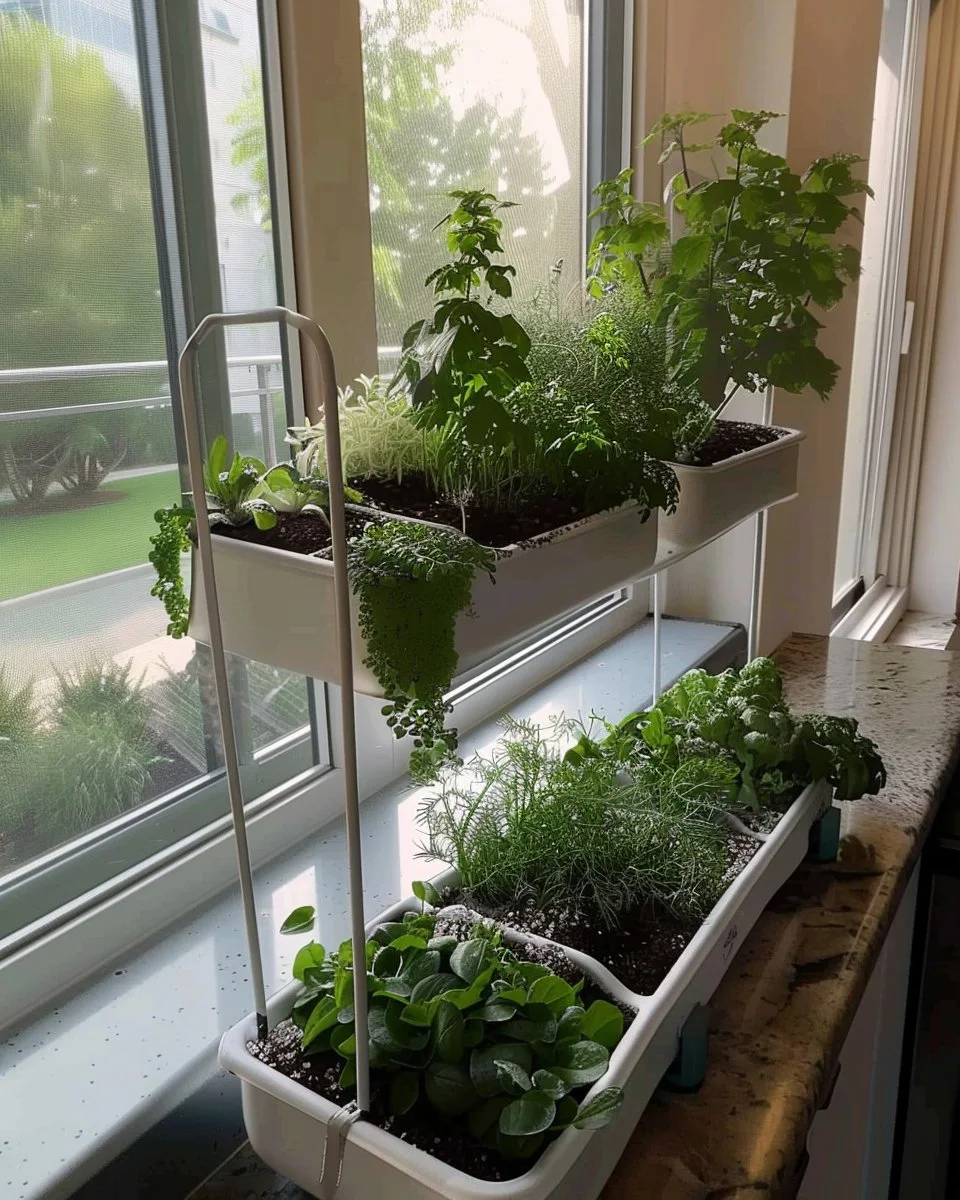
- Layering: Think vertically; use tiered shelves to arrange your pots creatively.
Aesthetic Considerations
Style your herb garden to fit your kitchen’s ambiance. You could go with chic minimalist containers or vibrant colorful pots to add some cheer. Utilize decorative elements like fairy lights or small garden markers to increase charm.
Health Benefits of Indoor Herb Gardening
Beyond just enhancing the flavor of your meals, growing herbs at home can offer numerous health benefits.
Nutritional Perks
Fresh herbs aren’t just flavorful; they also pack a nutritional punch. For instance, basil is rich in antioxidants, while parsley is high in vitamins C and K. You could easily incorporate these herbs into salads, dressings, or even smoothies!
Stress Relief through Gardening
Gardening, even if it’s just a small herb garden, can be therapeutic. Tending to plants has been shown to reduce stress, improve mood, and enhance overall well-being. Imagine how refreshing it is to snip herbs for dinner after caring for them all week!
Caring for Your Indoor Herb Garden
Once your herb garden is up and thriving, ongoing care is essential to keep it productive.
Pruning and Harvesting
Regular pruning encourages bushier growth and prevents your herbs from becoming leggy. When harvesting, aim to cut just above a leaf node so the plant can continue to thrive.
Dealing with Pests and Diseases
Indoor herbs can still fall victim to pests like aphids or spider mites. Regularly inspecting your plants and offering proper airflow can prevent infestations. If you do notice an issue, gently wash the leaves or use insecticidal soap to handle it.
Conclusion
Creating a mini herb garden at home can be a delightful and enriching experience. With the insights shared through these 20 Indoor Mini Herb Garden Ideas for Fresh Flavors at Home, you can enjoy fresh flavors, boost your cooking, enhance the aesthetics of your space, and even foster a peaceful hobby. Each herb’s gentle growth and the fragrances they lend can turn any simple meal into a culinary masterpiece. So, gather your supplies, choose your favorite herbs, and let your indoor gardening adventure begin!
FAQs
What are the easiest herbs to grow indoors?
Some of the easiest herbs to grow are basil, mint, chives, and parsley, as they adapt well to indoor conditions.
How often should I water my indoor herbs?
Water your indoor herbs when the top inch of soil is dry. This usually ranges from once a week to every few days, depending on your environment.
Can I use regular potting soil for my herbs?
Yes, but choose a well-draining potting soil or add perlite for improved drainage. Avoid using garden soil because it may contain pests.
Do indoor herbs need direct sunlight?
Most herbs thrive with about 6 hours of sunlight daily, so a south-facing window is ideal. If you don’t have enough natural light, consider using grow lights.
How can I prevent pests in my indoor herb garden?
Regularly inspect your plants and maintain airflow around them. Also, wiping down leaves can help keep pests at bay.