
Introduction
Have you ever sat in a beautiful garden and marveled at how brilliantly trees can be highlighted? Landscaping around trees is an art that can transform a dull space into a picturesque haven. Whether you’re looking to elevate your backyard aesthetics, improve your outdoor living space, or simply enjoy nature in a more organized and beautiful setting, you’re in the right place. In this article, we’ll explore the 20 Best Landscaping Around Trees Ideas (Using Stone, Mulch & Flowers). You’ll learn practical, creative ways to enhance your landscape with various materials, helping your trees to shine and your yard to flourish.
Table of Contents
Creating Natural Flower Beds Around Trees
Landscaping around trees provides an excellent opportunity to create colorful flower beds that draw the eye and add vibrancy to your garden. But where do you start?
Choosing the Right Flowers
When selecting flowers, consider the sunlight your tree provides. Many trees create shade, which limits the types of plants that can thrive underneath. Shade-tolerant flowers like hostas, ferns, and astilbes can flourish in these environments, offering lush foliage and vibrant blooms.
Designing the Layout
Before planting, sketch your layout. Curved flower beds often appear more natural than straight lines. Ensure the flowers are arranged in groups for greater impact. Start with taller plants at the back and gradually decrease height towards the front, creating a layered effect.
Incorporating Stone in Your Landscaping
Stone can bring texture and durability to your landscaping around trees. It complements natural elements beautifully.
Types of Stones to Use
Different stones can change the vibe of your landscape. River stones offer a smooth, polished look, while granite creates a rugged appeal. Use flagstones to create a path, guiding visitors around your tree and showcasing your flower beds.
Arranging Stones for Aesthetic Appeal
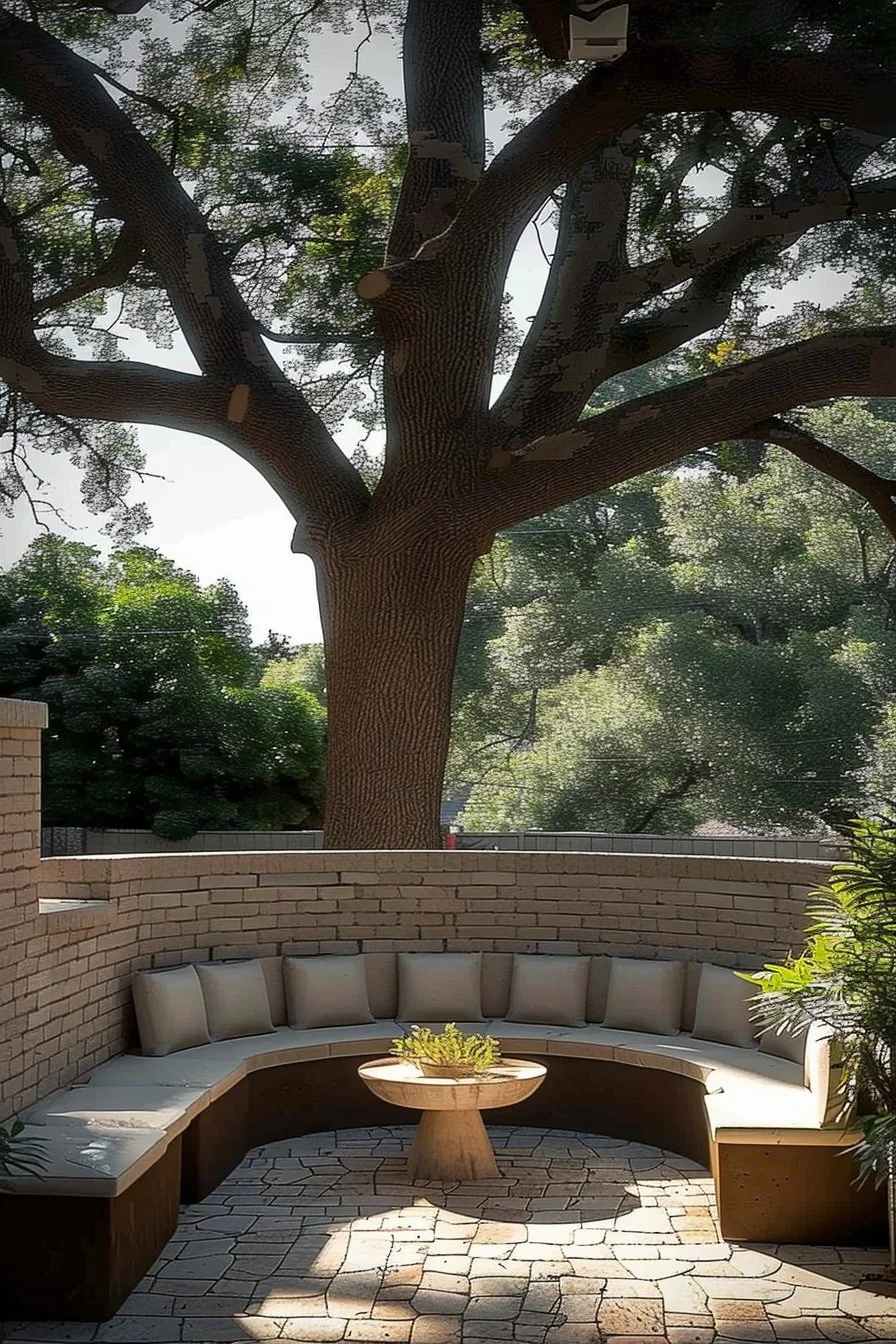
When arranging stones, think about functionality and beauty. You can create a natural seating area beneath the tree or line a pathway with stones that lead visitors through your garden. This not only enhances the visual appeal but also provides practical benefits.
Mulching: Beauty Meets Functionality
Mulch benefits your trees and enhances the overall look of your garden. It retains moisture, suppresses weeds, and slightly improves soil quality as it breaks down.
Benefits of Mulching
A thick layer of mulch around your tree can help regulate soil temperature and provide nutrients as it decomposes. It’s also a great way to keep your landscaping neat and tidy.
Selecting the Best Mulch
Consider organic mulch like wood chips or bark for a natural look. They’ll eventually decompose and may enhance soil health. If you prefer a clean, minimalist approach, rubber mulches offer long-lasting ground cover without the need for regular replacement.
Adding Decorative Elements
Don’t forget to add decorative elements to elevate your landscaping game.
Fountains and Water Features
Incorporating a small fountain or birdbath can attract birds and create a soothing water sound that enhances your outdoor space. Position these features nearby but not too close to your tree’s roots to avoid disturbing them.
Garden Statues
A well-placed statue or garden ornament can serve as a focal point. Consider items that resonate with your personal style—whether whimsical, classical, or abstract.
Practical Tips for Maintaining Tree Landscaping
Maintaining your landscaped area is essential for its longevity and performance.
Seasonal Maintenance
Regularly check for weeds, pests, and any signs of distress in your trees. Seasonal tasks, such as applying mulch in spring or cutting back dead growth in fall, can significantly keep your landscape looking its best.
Pest Control Considerations
Maintain healthy trees by monitoring for insects and diseases. Use organic methods where possible to protect the surrounding flowers and landscapes.
Budget-Friendly Solutions for Tree Landscaping
Landscaping can become expensive if you’re not careful. Fortunately, there are many budget-friendly solutions.
DIY Projects
Consider getting crafty with DIY benches or bird feeders from reclaimed materials. Not only will it save you money, but it’ll also add a personal touch to your garden.
Thrifting and Upcycling Ideas
Visit local thrift stores or garage sales for decor items you can upcycle. Old pots, frames, or even furniture can turn into stunning garden accessories.
Bringing It All Together: Cohesive Design Tips
Creating a cohesive design is crucial for a polished look. Think about colors, materials, and overall style throughout your space. Repeating design elements—like stone types or flower colors—can help tie everything together.
Remember, good landscaping takes time and patience. Don’t rush your design; let the plants grow into their space. With the right balance, you’ll have a stunning environment that celebrates your trees and makes your garden a welcoming haven.
Conclusion
In exploring the 20 Best Landscaping Around Trees Ideas (Using Stone, Mulch & Flowers), we’ve uncovered a variety of techniques to enhance your outdoor space while focusing on the unique beauty of your trees. Remember to keep in mind the balance between functionality and aesthetics, ensuring your garden thrives year after year. As you embark on this landscaping journey, allow your creativity to shine, and soon you’ll have a lush, vibrant retreat that reflects your personality and love for nature.
FAQs
What types of flowers thrive under trees?
Shade-tolerant flowers like astilbes, hostas, and ferns are excellent choices.
How much mulch should I apply around my trees?
Aim for 2-4 inches of mulch; just avoid piling it against the tree trunk to prevent rot.
Can stone landscaping be used for drainage purposes?
Absolutely! Properly arranged stone can facilitate drainage and prevent mud buildup.
How often should I maintain my landscaped tree area?
Regular maintenance is ideal—check for weeds and pests at least once a month and seasonal updates as needed.
What’s a cost-effective way to add decorative elements?
Thrift store finds, DIY projects, or upcycling old household items can provide unique decorations without breaking the bank.