Have you ever wished for a fresh garden right outside your kitchen, even if you live in a tiny apartment? Well, you’re not alone! Many urban dwellers have discovered the joy of container gardening, transforming small balconies and patios into luscious green spaces. In this article, we’ll delve into the 19 Best Vegetables to Grow in Pots for Small Spaces, giving you all the tips and tricks to make the most of your limited garden area. You’ll learn about the best varieties for containers, care tips, and how to maximize your yield, all while enjoying the process of growing your own food.
Table of Contents
Choosing the Right Pots
When starting your journey in container gardening, selecting the right pots is crucial. Not only do they house your plants, but they also influence their growth.
Types of Pots
There’s a smorgasbord of pot options available: ceramic, terracotta, plastic, and even fabric containers. Each type has its perks and drawbacks. For instance, plastic pots are lightweight and often cost-effective. On the other hand, terracotta pots provide excellent breathability but can dry out quickly.
Size Matters
The size of your pot significantly impacts what you can grow. A good rule of thumb is to ensure that each vegetable has adequate space. For example, leafy greens can thrive in smaller pots (around 6-8 inches in diameter), while larger plants like tomatoes need pots that are at least 12 inches deep.
Selecting the Best Soil
Once you have your pots, you’ll need the right soil mix. General potting soil often lacks essential nutrients. Instead, consider using a blend that contains compost, perlite, and peat moss to provide a nutrient-rich environment for your plant roots. This combination will ensure good drainage while retaining moisture—an essential aspect of container gardening.
Essential Vegetables for Container Gardening
Now onto the fun part! Here’s a rundown of the 19 Best Vegetables to Grow in Pots for Small Spaces. These vegetables are not only kind to your containers but also yield a delicious harvest.
Leafy Greens
Spinach: Quick to germinate and grow, spinach is perfect for smaller pots. You can harvest the outer leaves while allowing the inner leaves to continue growing.
Lettuce: With countless varieties, lettuce makes a fantastic container vegetable. Mix and match colors and textures for a visually appealing garden.
Fruiting Vegetables
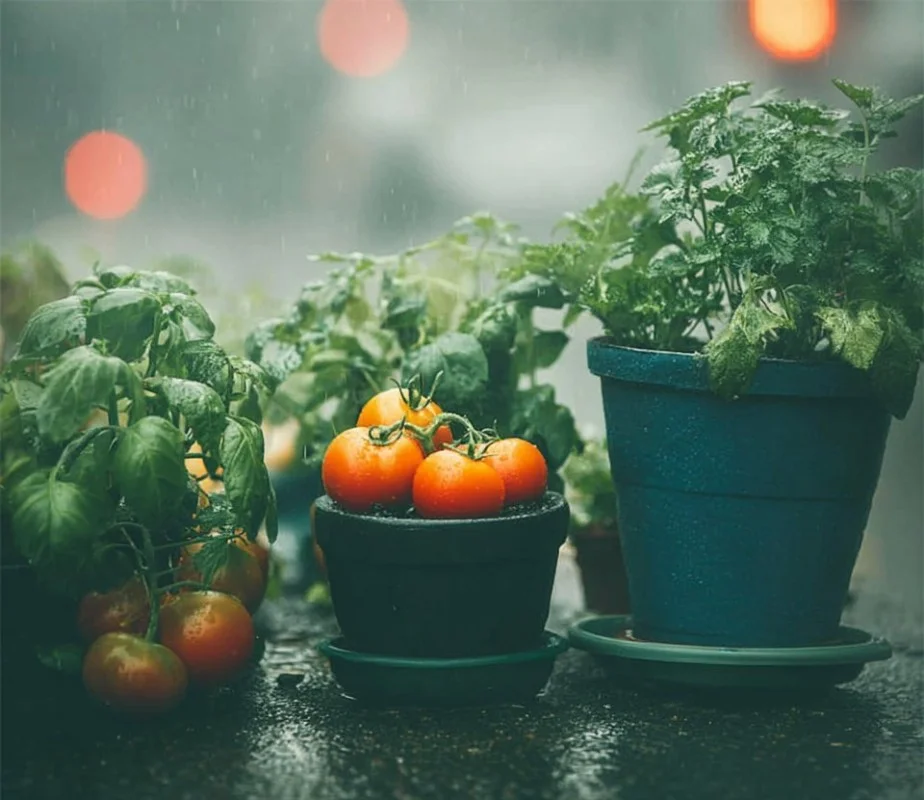
Cherry Tomatoes: These sweet gems thrive in pots, provided they receive plenty of sunlight and regular watering. Opt for determinate varieties that stay compact.
Peppers: Whether you prefer bell peppers or hot varieties, peppers grow well in containers. They enjoy the heat and can yield fruits throughout the summer.
Cucumbers: With some trellising, cucumbers can easily climb, saving space on your patio or balcony while providing a tasty snack.
Root Vegetables
Radishes: Fast-growing radishes are ideal for quick returns in smaller containers. They need minimal care and can be harvested in as little as three weeks!
Carrots: As long as they have deep enough pots (at least 12 inches), carrots can flourish in containers. Choose shorter varieties for the best results.
Potatoes: Yes, you can grow potatoes in pots! A fabric grow bag works wonders, allowing you to bury and mound the soil as they grow.
Beans and Peas
Green Beans: These climbing vegetables require vertical space, making them perfect for small areas. They flourish in pots and provide an excellent harvest.
Snap Peas: Naturally compact and lovely to munch on, snap peas love to climb. Supporting them with a trellis encourages vertical growth.
Care and Maintenance
Growing veggies in pots does come with its own set of care requirements. Regular maintenance ensures plants stay healthy and productive.
Watering Tips
Container plants tend to dry out quicker than those in the ground. Make a habit of checking soil moisture regularly. Water thoroughly until you see it drain from the bottom of the pot, ensuring the roots receive adequate hydration.
Fertilization
Since nutrients can wash away over time, consider a liquid fertilizer every 4-6 weeks during growing seasons. This boosts your plants and keeps them thriving.
Seasonal Planting Guide
Timing your planting is essential for maximizing yields. Here’s a simple guide to help you plan your container vegetable garden seasonally:
- Spring: Start with cool-weather crops like lettuce, spinach, and radishes.
- Summer: Transition to tomatoes, beans, cucumbers, and peppers as the weather warms.
- Fall: Replant with cool-season crops like kale and more spinach to harvest in late fall.
Troubleshooting Common Issues
Even with the best intentions, you might face challenges while container gardening. Here are a few common issues and their solutions:
Pests: Keep a close eye on plants. Catching pests early can prevent larger infestations. Consider using neem oil as an organic solution.
Wilting: If leaves are wilting, double-check your watering routine. Under or over-watering can cause this distress.
Conclusion
Growing your own vegetables in pots can be immensely rewarding, even in small spaces. The 19 Best Vegetables to Grow in Pots for Small Spaces will help you create a bountiful and beautiful garden right outside your door. With the right pots, soil, and care, you can enjoy fresh produce while adding greenery to your life and environment. So go ahead, roll up your sleeves, and dig into this fulfilling hobby!
FAQs
What size pots are best for vegetables?
Generally, 12 inches in depth is ideal for most vegetables, while shallow veggies like lettuce can thrive in 6-8 inch pots.
Can I grow vegetables year-round in containers?
Yes! With the right care and seasonal planning, many vegetables can be grown year-round, especially if you use a greenhouse or indoor settings.
How often should I water my container vegetables?
Check your pots daily in hot weather. Most container vegetables need watering every 1-3 days, depending on their size and the weather conditions.
What is the best fertilizer for container vegetables?
A balanced liquid fertilizer with equal parts nitrogen, phosphorus, and potassium, applied every 4-6 weeks, works wonders for potted vegetables.
How do I prevent root rot in container vegetables?
Ensure your pots have proper drainage holes and use quality potting soil that retains moisture without becoming waterlogged.