
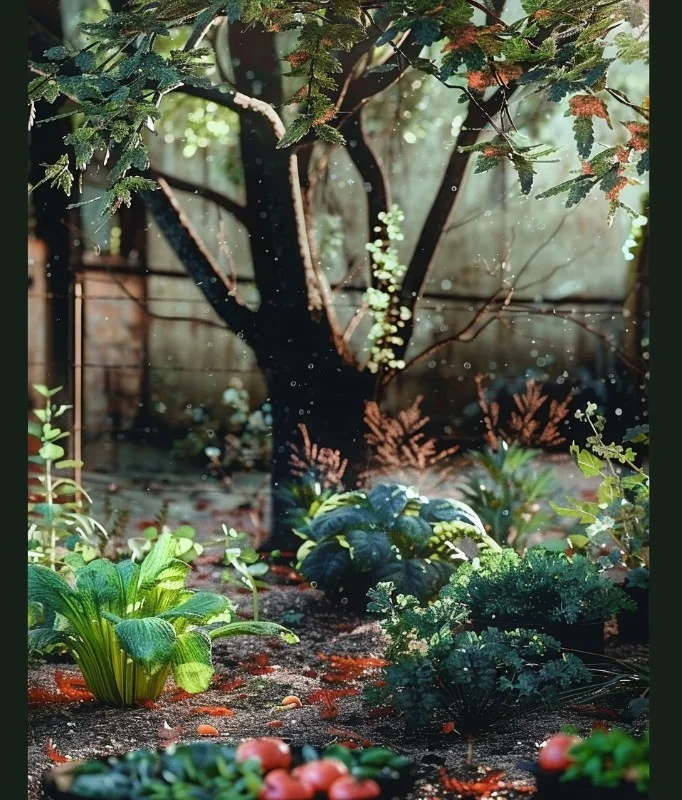
Have you ever found yourself scrolling through social media, drooling over vibrant home gardens, while secretly wishing you had the space or time to grow your own vegetables? The good news is, you don’t need a sprawling backyard to cultivate fresh produce. With just a little creativity, you can create a thriving indoor garden that yields delightful crops all year round. In this guide, we’ll explore the 18 Best Indoor Vegetables You Can Grow All Year Round. Whether you’re a seasoned gardener or a curious beginner, you’ll find practical tips and tricks to help you start your own indoor veggie haven.
Table of Contents
Indoor Gardening Basics
Creating a flourishing indoor garden starts with understanding the basics of indoor gardening. First things first, let’s talk about light and location. Plants need a reliable light source to grow, which is especially vital for indoor gardening. South-facing windows can be ideal, providing ample sunlight. However, if natural light is limited, consider investing in grow lights to supplement your plants.
Next up is soil and containers. Using high-quality potting mix is crucial for healthy plants. Make sure your containers have good drainage holes to prevent waterlogging. There are plenty of stylish and functional pots out there that can fit right into your home decor while serving your plants well.
Leafy Greens to Grow Indoors
One of the best choices for indoor gardening is leafy greens. They’re nutritious, easy to grow, and generally quick to harvest. Here are a few standout options:
Spinach
Spinach is a fantastic indoor vegetable, thriving in cooler temperatures. It doesn’t require too much space, so you can grow it in a container on your kitchen windowsill. With just a bit of regular watering, you’ll have a plentiful supply of fresh leaves for salads or smoothies.
Kale
Much like spinach, kale loves cool conditions. Consider planting a dwarf variety to save space. In about 6-8 weeks, you’ll be able to enjoy the luscious leaves, packed with nutrients.
Lettuce Varieties
With so many types of lettuce available, you can mix and match to your heart’s content. From romaine to butterhead, lettuce grows quickly and can be harvested multiple times by snipping off the leaves.
Root Vegetables for Indoor Gardening
Root vegetables are another category worth exploring when considering the 18 Best Indoor Vegetables You Can Grow All Year Round. They don’t just add variety but also depth to your indoor garden.
Radishes
Radishes are perfect for novice gardeners since they germinate quickly and can be harvested in as little as three weeks. Their peppery taste can spice up any salad.
Carrots
Choose smaller carrot varieties for indoor growing. They’ll need a deep pot, but with the right care and patience, the sweet crunchy rewards are plentiful.
Beets
Beets are a great option for container gardening. They are both beautiful and edible—plus, their green tops are also delicious and nutritious!
Herbs for Your Indoor Garden
Fresh herbs can elevate your cooking and are fabulous companions to your vegetable garden.
Basil
Basil especially loves warmth and thrives in well-drained soil. Nothing beats the flavor of homegrown basil when added to your favorite dishes.
Parsley
Parsley is versatile and easy to grow. It can bring a subtle flavor to any meal, and with a little care, it will last for months.
Chives
Chives are incredibly resilient and can thrive even in lower light conditions, making them an excellent choice for novice gardeners.
Fruiting Vegetables to Consider
Fruiting vegetables can make gardening even more exciting. They usually require more light but can yield great results.
Tomatoes
Tomatoes are a popular choice among indoor gardeners. Dwarf varieties like Tiny Tim can grow well in pots and produce tiny, sweet fruits.
Peppers
Peppers are enjoyable to grow and come in many varieties—from sweet to hot. They do require a generous amount of sunlight, so plan accordingly.
Eggplants
Although they might take a bit more care, eggplants are beautiful plants that can produce delicious fruits. Look for compact varieties like ‘Fairy Tale’ which are perfect for pots.
Unique Indoor Vegetables You Might Love
Once you’ve dabbled in the basics, consider branching out to unique indoor vegetables.
Microgreens
Microgreens are flavor-packed, nutrient-dense seedlings that can thrive indoors. They grow quickly, and you can harvest them in about two weeks. Simply sprinkle seeds onto a shallow tray of soil and keep them moist.
Green Onions
Green onions are a fun and easy option. You can regrow them from kitchen scraps! Place the root ends in water, and you’ll be amazed at how quickly they grow back.
Caring for Indoor Vegetables
Watering Techniques
Proper watering techniques are vital for your indoor garden’s success. Check the soil moisture regularly—most vegetables prefer evenly moist soil but can’t tolerate being waterlogged.
Pest Management
Even indoor gardens can attract pests. Be diligent in checking the undersides of leaves and using organic pest deterrents when necessary. Neem oil is a great natural option that’s easy to use.
Conclusion
Growing your own food indoors is not only rewarding but also a wonderful way to connect with nature. With the 18 Best Indoor Vegetables You Can Grow All Year Round, you can enjoy fresh produce right from your home. Remember, it’s all about experimentation and finding what works best for you. So roll up those sleeves and start your indoor gardening adventure today! You’ll be amazed at how fulfilling it can be to nurture your plants and ultimately enjoy the fruits of your labor.
FAQs
What are the easiest indoor vegetables to grow?
Leafy greens like lettuce and spinach are generally the easiest to start with for beginners.
How much light do indoor vegetables need?
Most indoor vegetables require 12-16 hours of light daily, so supplement natural light with grow lights if necessary.
Can I grow vegetables without natural sunlight?
Yes, you can use grow lights to provide the necessary light for your plants.
How often should I water my indoor vegetables?
It varies by plant type, but generally checking the soil moisture every few days is a good practice to avoid over or underwatering.
What is a good container size for growing vegetables indoors?
Containers should ideally be deep enough to allow root growth. For most vegetables, a minimum of 6-12 inches in depth is recommended.