
Introduction
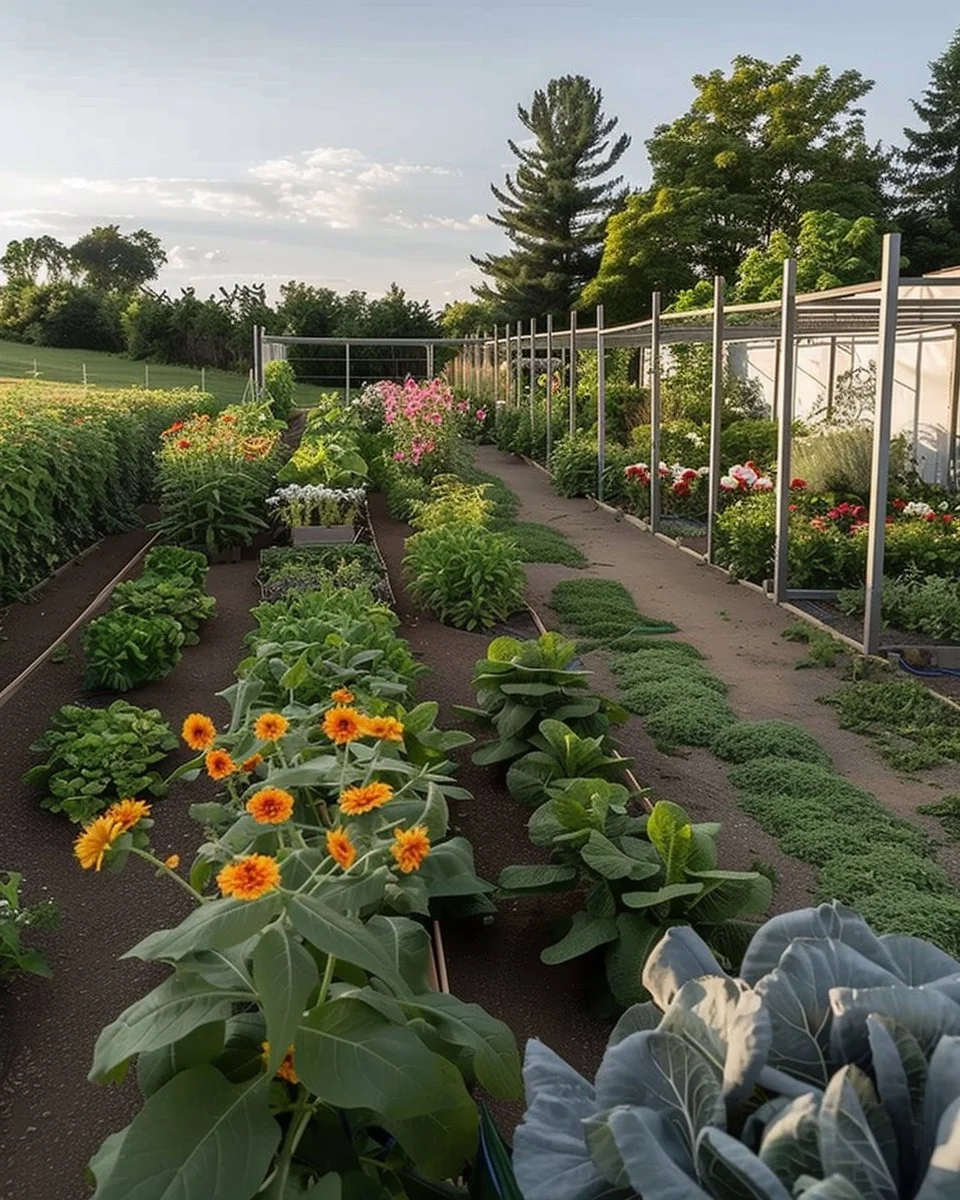
Have you ever wandered through a garden and marveled at the effortless beauty of nature? The harmonious blend of colors, textures, and life forms can feel almost magical. It turns out, that magic isn’t just the product of nature; it’s the result of thoughtful design—especially when it comes to permaculture. Today, we’re diving into 17+ inspiring permaculture garden design ideas that can transform any outdoor space into a thriving ecosystem. You’ll learn how to create a sustainable garden that not only looks good but also nurtures the environment.
Table of Contents
Designing for Sustainability
Choosing the Right Location
Selecting the right spot for your permaculture garden is critical. Have you ever noticed how some plants thrive in certain areas while others struggle? This variability often comes down to location. Aim for a plot that receives adequate sunlight—ideally six to eight hours a day—to help your plants flourish. You should also consider factors like wind direction, shade from trees, and drainage. When designing your garden, think about how these elements interact with each other to create a balanced environment.
Understanding Microclimates
Every garden has its own microclimates, characterized by minor variations in temperature, light, and moisture. Understanding these can significantly impact the layout and plant selection for your garden. For instance, the area near a stone wall might be a bit warmer, making it ideal for heat-loving plants. On the other hand, shaded parts of your garden can be reserved for cooler-tolerant species. By creating zones based on these microclimates, you enhance biodiversity and optimize your garden’s performance.
Companion Planting Techniques
Benefits for Soil Health
Companion planting is a fantastic technique that allows you to pair plants that mutually benefit each other. For example, legumes like beans can fix nitrogen in the soil, which benefits heavy feeders like tomatoes and corn. When you plant these species together, you’re not just making your garden look good; you’re also nurturing the health of your soil. This practice builds a rich, vibrant ecosystem that decreases reliance on synthetic fertilizers.
Attracting Beneficial Insects
Implementing companion planting can also help attract beneficial insects to your garden. For example, planting dill can draw in ladybugs, which feast on aphids. By creating a hospitable environment for these helpful critters, you will naturally reduce pests and diseases without resorting to chemical treatments. This not only benefits the plants but also supports the ecosystem in your garden.
Utilizing Vertical Space
Vertical Gardens and Trellises
Urban dwellers often face limited garden space, but using vertical gardening techniques can maximize your available area. Trellises not only provide support for climbing plants like beans and cucumbers but also create interesting vertical layers in your garden. This technique improves air circulation and sunlight exposure while adding aesthetic appeal. Additionally, vertical gardens can be integrated into walls or fences, transforming empty spaces into lush, living landscapes.
Hanging Baskets
Another effective way to utilize vertical space is through hanging baskets. These can be filled with vibrant flowers or edible herbs, adding charm to your garden while saving ground space. Imagine plucking fresh basil from a hanging planter right outside your kitchen; it’s a delightful blend of function and beauty! When combined with trellises, you can create a diverse range of habitats and improve biodiversity.
Water Management Strategies
Rainwater Harvesting
Water scarcity is a growing concern worldwide, making it crucial to adopt responsible water management practices. One effective method is rainwater harvesting, where you collect and store rainwater for irrigation. Install rain barrels or cisterns to capture runoff from your roof. Not only will this reduce your water bill, but it also decreases the demand on municipal supplies and provides a sustainable source for your garden.
Swales and Ponds
If you have more space, consider integrating swales and ponds into your garden design. Swales are contoured ditches that help manage water flow, capturing it for longer periods and allowing it to seep into the ground. Ponds attract wildlife while creating a cool microclimate for plants, encouraging biodiversity. Both strategies enhance your garden’s resilience to drought, making it more sustainable over time.
Incorporating Native Plants
Benefits of Biodiversity
Bringing native plants into your garden design is an excellent way to foster biodiversity. Native species are well adapted to local conditions, requiring less water and maintenance than non-natives once established. They also provide habitats for local wildlife, from bees to birds, enriching the ecosystem. Plus, native plants are often more disease-resistant, leading to a more sustainable and thriving garden.
Building Resilience
A diverse garden is a resilient garden. By integrating a variety of native plants, you’ll create a self-sustaining system that can withstand pests and diseases better than monoculture gardens. A lush tapestry of plants creates a balance between them, ensuring that if one suffers, others can continue to thrive. This approach promotes a thriving ecosystem that can adapt to changes in climate and conditions.
Seasonal Garden Planning
Creating Year-Round Interest
One of the key components of permaculture is planning for year-round productivity. This means considering seasonal changes and the different plants that flourish at various times of the year. For example, planting spring bulbs like daffodils can lend a burst of color to your garden long before summer annuals bloom. Additionally, including fall and winter crops such as kale can extend your harvest season well into the colder months.
Crop Rotation Principles
Implementing crop rotation is a vital strategy in maintaining soil health and preventing disease. By changing what you plant in each section of your garden each year, you can reduce soil nutrient depletion and break pest cycles. Rotate your crops based on family groupings, such as keeping legumes away from heavy feeders like corn. This simple practice contributes to a sustainable garden that thrives year after year.
Conclusion
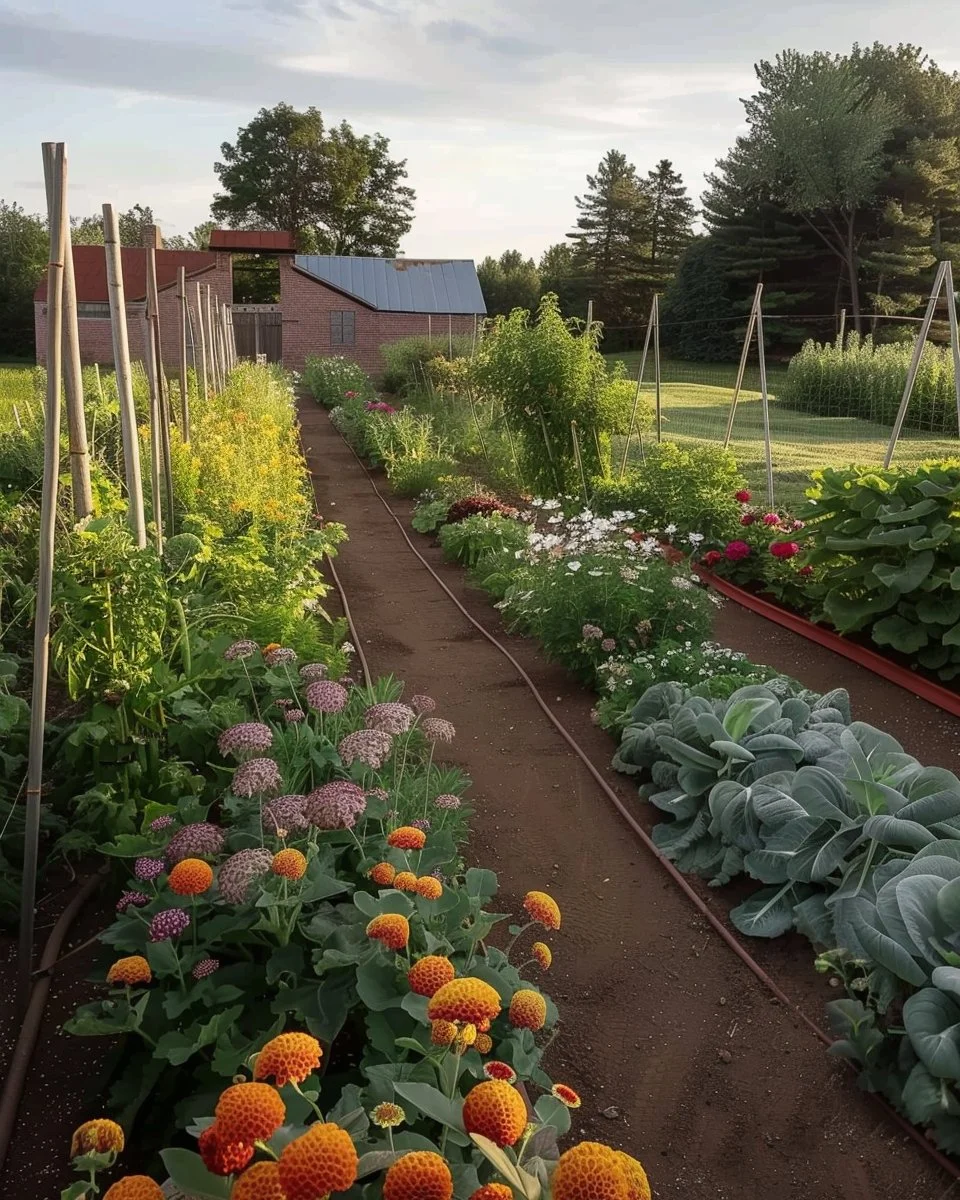
Incorporating 17+ inspiring permaculture garden design ideas can profoundly enhance your outdoor space while fostering environmental mindfulness. By utilizing sustainable practices like companion planting, vertical gardening, and thoughtful water management, you can create a vibrant ecosystem that benefits both people and nature. Remember, the beauty of permaculture lies not only in its practicality but also in the joy it brings. So why not get started on your own garden journey today?
FAQs
What is permaculture?
Permaculture is a sustainable design philosophy that focuses on creating productive and self-sustaining systems by mimicking natural ecosystems.
Where should I start with my permaculture garden?
Begin by assessing your space, considering factors such as sunlight, soil health, and water access, and then plan your layout accordingly.
How can companion planting benefit my garden?
Companion planting helps improve soil health, controls pests, and boosts the growth of neighboring plants through mutual support.
What are some good plants for vertical gardening?
Climbing plants such as beans, peas, and tomatoes work well in vertical gardens, as do trailing herbs like strawberries and some varieties of flowers.
How do I create a rainwater harvesting system?
Install rain barrels beneath your downspouts to collect runoff, ensuring proper filtration and storage for later use in your garden irrigation.