
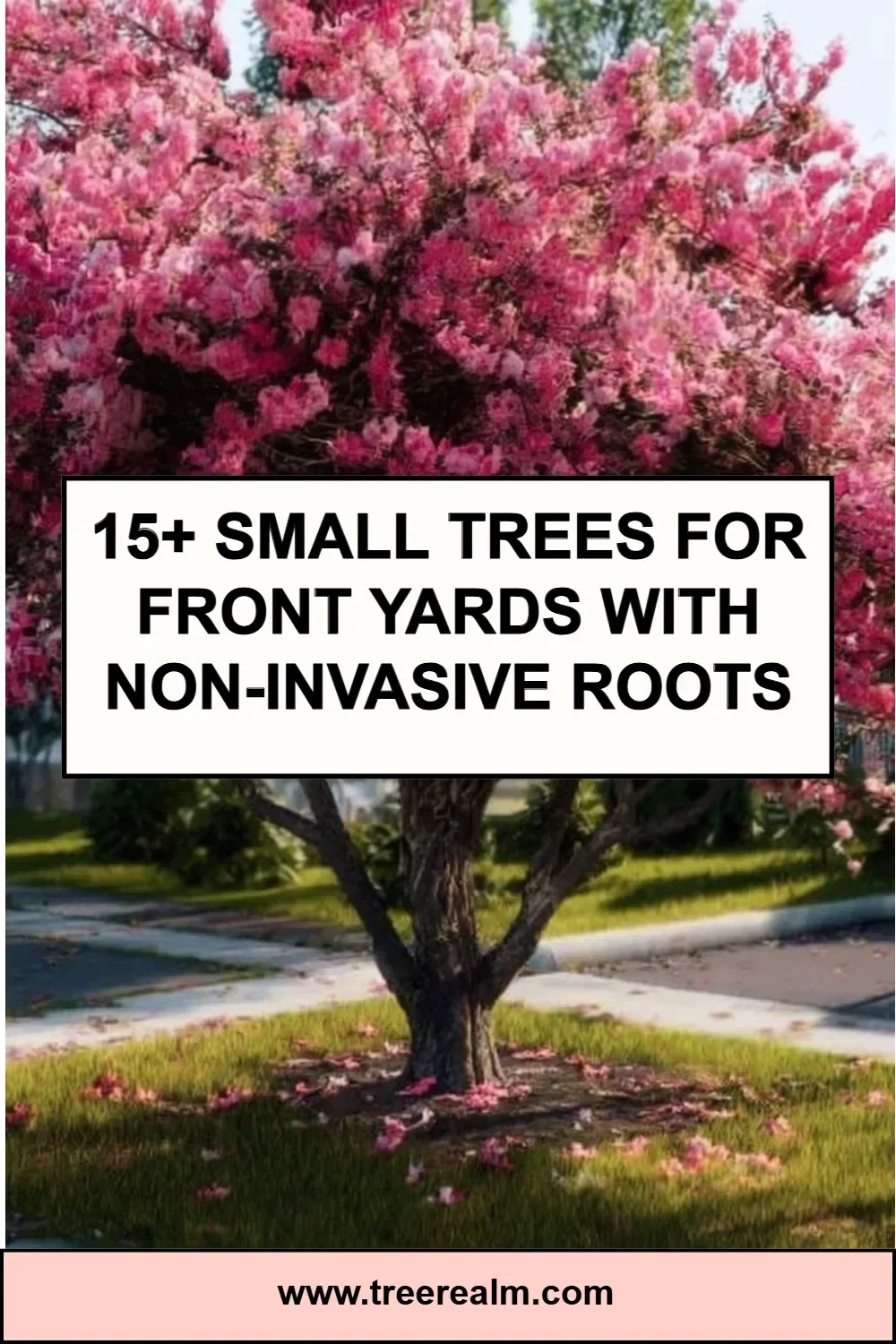
Have you ever stepped into a front yard that felt vibrant and inviting, all thanks to the right trees? Picture this: a cozy suburb where the streets are lined with beautiful, well-maintained front yards, and you can’t help but admire the small trees that add character without overwhelming the space. Trees enhance curb appeal, provide shade, and support local wildlife. However, choosing trees for front yards can be daunting, especially if you’re concerned about their root systems. Luckily, there are plenty of charming options that have non-invasive roots. In this article, we’ll explore 15+ Small Trees For Front Yards With Non-Invasive Roots, discussing their unique features, benefits, and tips for integrating them into your landscaping.
Table of Contents
Understanding Non-Invasive Roots
Choosing trees for front yards often comes with concerns about their root systems. Non-invasive roots are crucial, especially for smaller landscapes. They don’t spread aggressively, reducing the risk of damaging sidewalks, foundations, or other plants. Trees with non-invasive roots can maintain their beauty and utility without becoming a headache for homeowners.
Let’s talk about what makes a root system non-invasive. These roots typically grow vertically rather than horizontally, allowing trees to thrive without encroaching on nearby plants or structures. This characteristic is particularly beneficial in urban environments or smaller properties where space is limited. So, if you’re looking to beautify your front yard without the worry of structural damage, understanding these root systems is your first step.
Top Small Trees For Front Yards
Now, let’s dive into some fantastic options. Here’s a closer look at several exquisite small trees ideal for front yards, all boasting non-invasive roots.
Flowering Dogwood
The flowering dogwood (Cornus florida) is a classic favorite among homeowners. In spring, it offers stunning white or pink blossoms, creating a picturesque scene. This tree grows to about 15 to 30 feet tall, making it perfect for smaller yards. Moreover, its roots are not aggressive, making it a low-maintenance option for your landscape.
Japanese Maple
If you’re looking for a tree that offers dramatic colors, look no further than the Japanese maple (Acer palmatum). These trees come in various cultivars, each presenting unique leaf shapes and stunning fall foliage. Typically reaching 10 to 25 feet in height, they not only add elegance but do so without invasive roots that could disrupt your garden.
Serviceberry
The serviceberry (Amelanchier spp.) is another excellent candidate for front yards. With its sweet, white flowers in the spring and delicious, edible berries in the summer, it’s a delightful addition. Growing to about 15 to 25 feet tall, its roots are friendly to most surrounding plants, and it can tolerate a variety of soil types.
Eastern Redbud
Consider the eastern redbud (Cercis canadensis) for a splash of vibrant color. This small tree showcases beautiful pink flowers in early spring. Typically maturing at about 20 to 30 feet, it features non-invasive roots that allow for easy coexistence with other plants in your garden.
Tips For Planting And Caring For Small Trees
Planting a small tree can seem intimidating, but following a few simple guidelines can ensure success.
Proper Planting Techniques
- Choose the Right Location: Opt for a spot where the tree will receive adequate sunlight while considering its mature size. Avoid placing your tree too close to your home or other structures.
- Prepare the Soil: Ensuring well-draining soil will help your new tree thrive. You can amend your soil with organic compost to enhance its nutrient content.
- Dig a Proper Hole: The hole should be twice as wide and the same depth as the root ball. This width allows the roots to spread comfortably without being constricted.
Maintenance Tips
- Watering: Young trees require consistent moisture to establish their roots. Water them deeply once a week, especially during dry spells.
- Pruning: Light pruning can encourage healthy growth and shape. It’s best to prune during the tree’s dormant season.
- Mulching: Applying a layer of mulch around the base can help retain soil moisture and suppress weeds.
Creating Visual Interest With Trees
Small trees can create focal points in front yards, adding depth and visual interest. Whether you’re looking to frame a walkway or fill a corner, consider using clusters of different varieties. For instance, pairing a flowering dogwood with a Japanese maple can provide a beautiful contrast in color and texture.
Additionally, think about layering. Plant taller trees in the back and shorter ones in the front to create a dynamic landscape. This approach not only enhances aesthetic appeal but also maximizes light access for each plant.
Local Wildlife Benefits
Incorporating trees into your front yard isn’t just about aesthetics; it can also benefit local wildlife. Many of the trees mentioned, like the serviceberry, provide food sources for birds and other critters. Native trees particularly support local ecosystems by offering habitats for various species.
Moreover, trees play a vital role in improving air quality. They act as natural air filters, absorbing pollutants and releasing oxygen. By planting non-invasive trees, you’re contributing to a healthier environment in your neighborhood.
Conclusion
Choosing the right trees for your front yard can significantly enhance its charm and functionality. By opting for 15+ Small Trees For Front Yards With Non-Invasive Roots, you can enjoy the beauty of nature while ensuring a harmonious relationship with your existing landscape. Think about your yard’s specific needs, your personal preferences, and the benefits these trees provide — both for your home and the local wildlife.
As you embark on this journey of planting, remember to enjoy the process! Each tree you plant contributes to a greener planet, lovely aesthetics, and personal enjoyment in your outdoor space.
FAQs
What are the benefits of planting small trees in front yards?
Small trees enhance curb appeal, provide shade, and support local wildlife while taking up less space than larger trees.
How do I know if a tree has non-invasive roots?
Research the tree species or consult with local gardening experts to ensure the roots won’t damage nearby structures or plants.
When is the best time to plant these trees?
Early spring or fall is typically the best time to plant trees when the weather is moderate, allowing for better root establishment.
How often should I water my new tree?
Deep watering once a week is generally sufficient for young trees, but adjust based on weather conditions.
Can these trees grow in containers?
Some small trees, like certain Japanese maples, can thrive in containers, allowing for versatility in placement.