
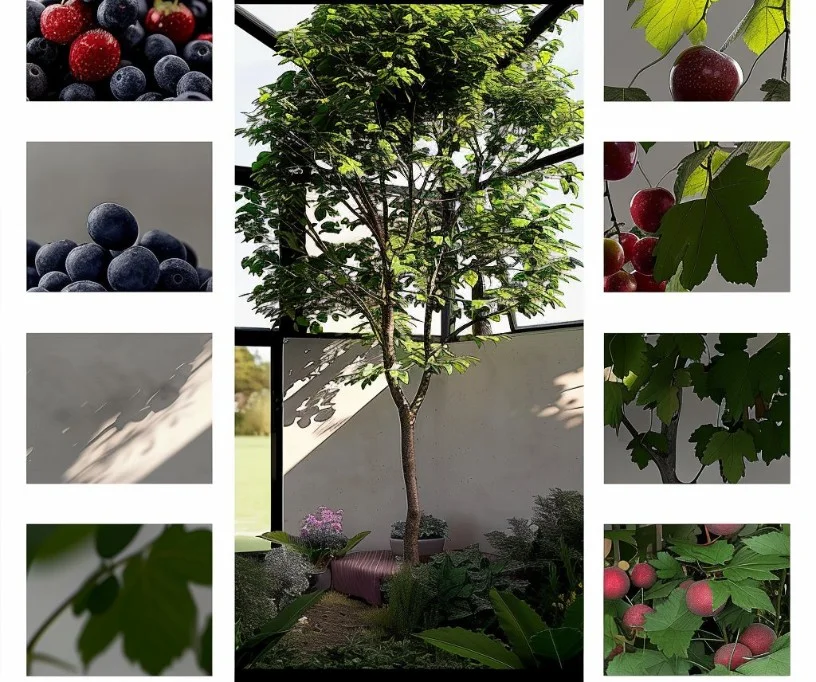
Have you ever found yourself gazing out at a shady corner of your garden, wishing you could still enjoy the delights of homegrown fruits? You’re not alone! Many garden enthusiasts face the challenge of growing plants in less-than-sunny spots, but the good news is that there are plenty of options available. In fact, there are 15 Best Fruit Trees and Berries to Grow in the Shade that can thrive even in those dimly lit areas. In this article, we’ll dive into these incredible plants, provide practical tips for care, and share some personal anecdotes that will inspire you to transform your shade garden into a fruitful oasis.
Table of Contents
Understanding Shade Gardening
What Is Shade Gardening?
Shade gardening involves growing plants in areas that receive little to no direct sunlight. This can be due to buildings, trees, or other structures that block sunlight. While it may seem limiting, shade gardening opens up a world of possibilities, especially when it comes to delicious fruits and healthy berries.
Benefits of Growing in the Shade
Growing fruit trees and berries in the shade comes with unique advantages. For starters, shaded plants typically require less water and are often less prone to pests and diseases. Additionally, they can provide a lush aesthetic appeal to your garden without the relentless sun exposure that can stress other plants.
Selecting the Right Fruit Trees
Top Fruit Trees for Shade
If you’re looking to grow fruit trees in the shade, you have some excellent options. Here are a few notable choices:
Pawpaw Trees – Native to North America, pawpaw trees flourish in partial shade. They produce large, tropical-tasting fruits that are sure to impress.
Serviceberry Trees – These versatile plants can adapt to varying light conditions. Their small, sweet berries are perfect for snacking or making jams.
Mulberry Trees – Mulberries can handle shade well and produce delicious, sweet berries. They are also relatively easy to grow.
Sour Cherry Trees – Sour cherries can tolerate some shade, making them an excellent choice for those looking to enjoy pies and jams.
Fig Trees – Certain varieties of fig trees can tolerate partial shade, providing you with succulent and sweet fruits.
Growing Conditions for Shade Trees
When planting your fruit trees in shaded areas, consider their specific growing conditions. Most shade-tolerant trees prefer well-drained soil and a slightly acidic to neutral pH. Make sure to monitor their watering needs, as shaded areas may retain moisture longer than sunnier spots.
Best Berries for Shaded Areas
Varieties of Berries That Thrive
Berries are another fantastic option for shaded gardens. Here are some varieties that can flourish in less sunlight:
Raspberries – Raspberries love partial shade and will produce juicy berries throughout the summer.
Blackberries – Similar to raspberries, blackberries can thrive in shaded environments and are relatively low-maintenance.
Blueberries – Blueberries prefer acidic soil but can tolerate partial shade. Plus, they have beautiful foliage in the fall!
Strawberries – Though they prefer full sun, strawberries can still be grown in shaded areas with adequate drainage and care.
Sunlight and Soil Requirements
To maximize your success with berries, choose locations that receive at least a few hours of indirect sunlight each day. The soil should be well-aerated and rich in organic matter to support healthy growth.
Tips for Successful Shade Gardening
Soil Preparation
Preparing the right soil is crucial for growing fruit trees and berries in the shade. Start by testing your soil to determine its pH level. Incorporating compost can improve soil structure and nutrient availability. This ensures your plants have everything they need to thrive.
Watering and Fertilization
Even in shade, plants require careful attention to watering. Shaded areas may not dry out as quickly, so monitor moisture levels closer to the roots. Use a balanced, slow-release fertilizer to provide nutrients without overwhelming the plants.
Personal Experiences with Shade Gardening
My Favorite Shade Plants
As a passionate gardener, I’ve learned the value of embracing shade. My favorite shade plants include pawpaw trees and serviceberries, as they have rewarded me with bountiful harvests. Every summer, I look forward to making homemade serviceberry pies!
Lessons Learned Along the Way
One important lesson I’ve learned is to be patient. Sometimes, it takes a season or two for these shade-loving plants to get established, but once they do, they will surprise you with their resilience and productivity.
Conclusion
Growing fruit trees and berries in the shade is not only possible but can also be incredibly rewarding. By selecting the right species from the 15 Best Fruit Trees and Berries to Grow in the Shade, preparing your soil effectively, and paying attention to water and nutrient needs, you’ll be well on your way to a fruitful shade garden. So go ahead, tap into the potential of those dimly lit corners, and enjoy the sweet rewards that your garden can provide!
FAQs
What are the best conditions for growing shade berries?
Shade berries thrive in well-drained soil with some indirect sunlight and require regular watering.
Can I grow fruit trees in complete shade?
Most fruit trees prefer some light; however, certain varieties like pawpaw can tolerate full shade conditions.
How often should I water shade plants?
Watering depends on the season and moisture levels but generally, check the soil weekly to avoid over or under-watering.
Do shade-loving fruits taste different?
Shade-tolerant fruit can taste just as delicious as those grown in full sun, though some may be smaller or less prolific.
Are there any pests more common in shade gardens?
While shade gardens may face fewer pests, it’s essential to regularly check for signs of common issues like fungus or mold due to higher humidity.