
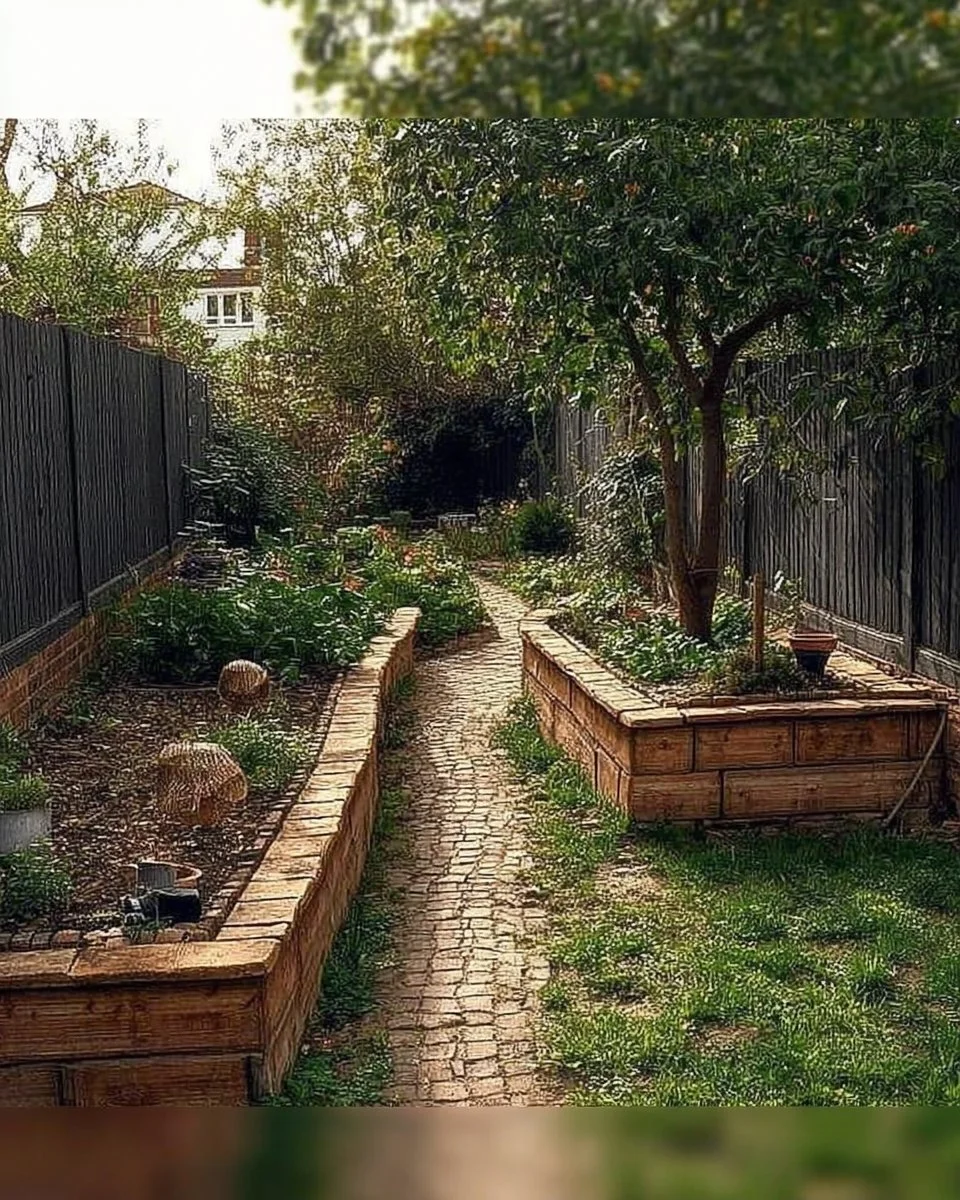
Have you ever felt the satisfaction of digging your hands into rich, dark soil and pulling out fresh veggies or blossoming flowers? There’s something deeply rewarding about growing your garden, especially when you elevate it with stunning raised beds. With the right designs, you can not only beautify your yard but also create a highly functional growing space. In this article, we’ll explore 15 Beautiful and Practical Raised Bed Garden Designs that will inspire your next outdoor project while providing practical tips to ensure success.
Table of Contents
Understanding Raised Bed Gardens
Raised bed gardens are precisely what they sound like: gardens that are elevated above the ground. They can be made from various materials, including wood, stone, or even recycled plastic. By raising the beds, you create a defined growing area that can significantly improve your gardening experience. When I first ventured into gardening, I was apprehensive about how much space and effort it would take. However, once I installed my first raised bed, I was hooked! The ease of access and the control over soil quality are just a few of the numerous advantages that raised beds offer.
Benefits of Raised Bed Gardening
Raised bed gardens come with an array of benefits that can revolutionize how you approach your gardening.
Improved Drainage
In a traditional garden, poor drainage can lead to waterlogged soil, which is detrimental to plant health. Raised beds allow for better runoff, helping to maintain ideal moisture levels for your plants.
Enhanced Soil Quality
You have full control over the soil composition in your raised beds. You can easily amend the soil with organic matter and compost, creating nutrient-rich environments that foster plant growth. This is particularly beneficial if you have poor native soil.
Easier Maintenance
Raised beds can alleviate back strain by reducing the need for bending low. Plus, they create boundaries that can help keep weeds at bay, meaning less time weeding and more time enjoying your garden.
Design Ideas for Raised Beds
Every garden can benefit from a touch of creativity. Here are some beautiful raised bed designs to consider:
Classic Wooden Beds
Wood is a traditional choice that resonates with many gardeners for its natural appearance. Cedar and redwood are ideal because of their resistance to rot. You can design these beds in various shapes such as rectangles or squares to suit your garden layout.
Stone Elevated Gardens
If you’re looking for a more permanent solution, consider stone or brick raised beds. These beds not only offer durability but also add a rustic charm. You can create intricate designs by incorporating seating walls or pathways around them.
Vertical Gardening Solutions
For those with limited space, vertical gardening is ingenious! Incorporate vertical elements into your raised bed design, like trellises for climbing plants or wall-mounted pockets for herbs. This design maximizes space while providing a stunning visual display.
Choosing the Right Materials
When constructing your raised beds, selecting the proper materials is essential.
Wood Selection
Opt for untreated wood or naturally rot-resistant types like cedar. Avoid pressure-treated wood for the garden as the chemicals can leach into the soil.
Alternative Materials
Consider metal, stone, or concrete blocks for a modern look. These materials can create a sleek design while ensuring longevity.
Plant Selection for Raised Beds
Choosing the right plants for your raised beds is crucial for a thriving garden.
Herbs and Vegetables
Herbs like basil, rosemary, and chives thrive in raised beds, as do vegetables such as tomatoes, peppers, and lettuce. Ensure you consider sun exposure, as some plants crave full sun while others prefer partial shade.
Companion Planting
Utilize companion planting to maximize growth and protect against pests. For example, planting marigolds alongside vegetables can deter harmful insects, while basil loves to keep tomatoes company.
Maintaining Your Raised Bed Garden
Maintenance is more manageable when you follow a regular schedule.
- Watering: Regularly check soil moisture, especially during dry spells.
- Fertilizing: Add compost or fertilizer in early spring to ensure nutrient-rich soil.
- Weeding: Keep an eye on weeds that may sprout, as they can compete with your plants for nutrients.
Creative Raised Bed Accessories
Add practical yet beautiful accessories to your raised beds.
Trellises and Supports
Trellises can add vertical interest and support for climbing plants like peas and beans. They’re not only functional but can enhance the overall aesthetic of your garden.
Decorative Edging
Consider creating borders for your raised beds with decorative stones, bricks, or even recycled materials. This will help define the space and keep soil contained.
Conclusion
Creating a raised bed garden can be one of the most rewarding projects you’ll undertake. With the right designs, materials, and plants, you can cultivate a thriving space that is as beautiful as it is practical. Remember the 15 Beautiful and Practical Raised Bed Garden Designs we discussed; they can inspire you to create your personal oasis. So grab your tools and start designing your dream garden!
FAQs
What is the best height for raised beds?
A height of 12 to 24 inches is generally ideal, allowing for easier access and ample planting depth.
Can I grow flowers in raised beds?
Absolutely! Raised beds can beautifully accommodate flowers. They can be a focal point in your garden.
How often should I replace the soil in my raised beds?
It’s good practice to refresh the top layer of soil each year and thoroughly replace the soil every few years, depending on nutrient depletion.
Do raised beds need drainage?
Yes, ensuring proper drainage is essential. That’s one of the advantages of raised beds; they help prevent water from pooling around the roots.
Can I use old pallets for raised beds?
Yes, as long as the pallets are untreated and safe for gardening, they can be repurposed into a rustic raised bed. Just be cautious of any chemicals used in their treatment.