
Introduction
Imagine stepping into your garden and being greeted by the vibrant colors and sweet scents of freshly ripened fruit. Whether you’re a seasoned gardener or just starting, designing a fruit tree garden can be an incredibly rewarding experience. Not only do fruit trees beautify your space, but they also provide delicious rewards throughout the seasons. In this article, we’ll explore 14+ Creative Fruit Tree Garden Layout Ideas that will inspire you to elevate your gardening game. You’ll learn how to choose the right trees, arrange them effectively, and maximize your harvest, all while creating a stunning outdoor oasis.
Table of Contents
Understanding Fruit Tree Selection
Choosing the Right Varieties
The foundation of any fruitful garden begins with the right tree varieties. You’ll want to consider both the space you have and your taste preferences. Apple trees, for instance, come in numerous varieties, each with unique flavors and uses. If you’re limited on space, consider dwarf varieties that fit into smaller gardens yet produce plenty of fruit.
Considering Climate and Soil
Climate plays a crucial role in selecting your fruit trees. Some varieties thrive better in certain zones than others. For instance, citrus trees love warmth and prefer well-draining soil, while apples can withstand cooler temperatures. Be sure to do a bit of local research or consult with a nursery; their expertise can help you make ideal choices for your area.
Maximizing Space in Your Garden
Vertical Gardening Techniques
Don’t let a small yard dampen your fruit-growing dreams! Vertical gardening is an innovative way to maximize skyward space. Train your trees up a trellis or fence, allowing them to climb and flourish. This not only saves ground space but also adds visual interest. Imagine clusters of cherries growing in mid-air, easily reachable.
Companion Planting
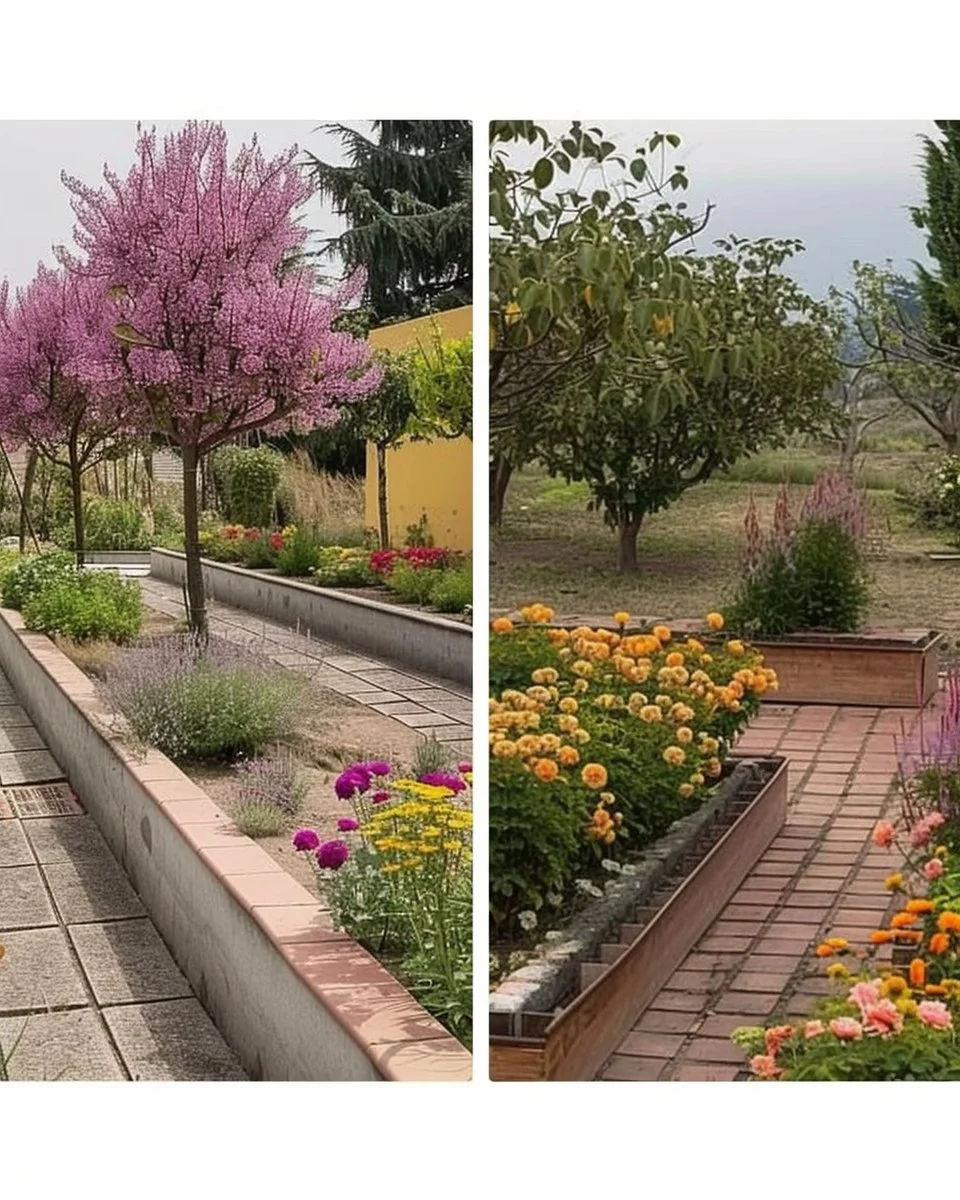
Companion planting is another way to make the most of your garden layout. By strategically placing beneficial plants near your fruit trees, you can enhance growth and deter pests. For instance, planting marigolds near your vegetable and fruit trees naturally repels nematodes and other pests. Plus, their vibrant blooms can complement your garden’s overall aesthetic.
Creative Layouts for Your Fruit Tree Garden
Circular Designs
Circular designs can create a striking visual centerpiece in your garden. Consider planting a variety of trees in concentric circles, with taller trees in the center and smaller varieties around the edges. This layout not only looks elegant but also allows each tree to receive ample sunlight, encouraging healthy growth.
Espalier Techniques
Espalier is an age-old art form that involves training trees to grow flat against a structure or trellis. This method is perfect for small spaces, creating a living, decorative wall while allowing easy access to the fruit. Plus, it adds a touch of sophistication to your garden—like a fine piece of living artwork!
Creating a Fruit Garden for Small Spaces
Container Gardening
If your outdoor space is limited or if you live in an urban setting, fruit trees in containers can be a game changer. Select dwarf or semi-dwarf varieties that fit snugly into pots. Not only does this allow you to move your trees to catch the best sunlight, but it also gives you more control over soil conditions. Imagine having an orchard right on your balcony!
Mini Orchard Options
Another fantastic idea for small spaces is to create a mini orchard. Look for trees that can be pruned to remain small, or use a combination of container trees and traditional plantings to maximize fruit yield without hogging the ground. Choose foliage that complements each other visually, and you’ll have a charming little corner of productive beauty.
Seasonal Care for Fruit Trees
Pruning and Maintenance Tips
Pruning is an essential part of keeping your fruit trees healthy and productive. By removing dead or overcrowded branches, you’ll allow more light and airflow through the tree, which promotes robust growth and fruit production. Doing this during the winter dormancy period ensures trees can spring into action come warmer weather.
Pest Management Strategies
To keep your garden flourishing, regular pest management is key. Consider integrating natural deterrent methods like introducing beneficial insects (ladybugs, for example) that prey on pests. Additionally, using organic repellents can help you maintain a healthy ecosystem while enjoying your tasty fruits.
Incorporating Aesthetic Elements
Focal Points and Paths
As you plan your garden, think about creating focal points with your fruit trees. Positioning trees at varying heights and locations can lead the eye through your landscape, guiding visitors along charming paths. Consider using gravel or mulch for pathways that connect your trees, not only for visual appeal but also for easy maintenance.
Seasonal Color with Companion Plants
Don’t forget that your garden can be colorful and eye-catching year-round! Pair your fruit trees with seasonal companion plants to ensure there’s always something in bloom—from spring blossoms to autumn harvests. This will keep your garden vibrant and inviting all year long while making your fruit trees stand out.
Conclusion
Creating a fruit tree garden is not just about the end result; it’s also about the journey. From selecting the right varieties to designing a layout that works for your space, every step holds potential for creativity and enjoyment. With these 14+ Creative Fruit Tree Garden Layout Ideas, you’ll be on your way to crafting a fruitful, rewarding garden that bears sweet memories for years to come. So grab your gardening gloves and get started—you’d be surprised by the joy a few trees can bring to your life!
FAQs
What is the best fruit tree for beginners?
Apple trees are often recommended for beginners because they are versatile, hardy, and offer a variety of options suited for different climates.
How much sunlight do fruit trees need?
Most fruit trees thrive in full sunlight, requiring at least six to eight hours of direct sunlight daily to produce healthy fruit.
Can I grow fruit trees in containers?
Absolutely! Many dwarf and semi-dwarf varieties are perfect for container growing, allowing you to enjoy fruit even in small spaces.
What should I do if my fruit tree is not producing fruit?
Check for proper pollination, sun exposure, and health of the tree, and ensure it has adequate water and nutrients.
When is the best time to plant fruit trees?
The ideal planting time is typically in the early spring or late fall when the tree is dormant, allowing for better establishment in the soil.