
Introduction
Imagine stepping into your backyard and being greeted by a bountiful display of vibrant fruit trees, loaded with delicious fruits ready for harvest. It’s a sight that many dream about but few realize can be achieved in just a couple of years. If you’re eager to get your orchard up and running quickly, you’re in for a treat. In this article, we’ll explore the 13 Fastest Growing Fruit Trees For Your Orchard, highlighting their growing conditions, delicious fruits, and tips for success. Whether you have a sprawling landscape or a cozy backyard, there’s a fruit tree on this list that will thrive in your space. Get ready to transform your gardening dreams into a fruitful reality!
Table of Contents
The Benefits of Growing Fast Fruit Trees
When considering what to plant in your orchard, the advantages of fast-growing fruit trees are compelling. Not only do they provide fruits sooner than their slower-growing counterparts, but they also contribute beauty and shade to your landscape. Have you ever thought about how satisfying it is to pick fresh fruit from your yard? It’s not just about the fruit; it’s about fostering a connection with nature. Fast-growing varieties can yield results within just a few years after planting, which is especially gratifying for new gardeners eager to harvest their fruits of labor. Moreover, some trees can produce fruit in as little as 1-3 years, offering quick satisfaction.
Choosing the Right Location for Your Fruit Trees
To ensure your orchard thrives, picking the perfect location is essential. Here are a few considerations to help you create an inviting environment for your fruit trees.
Sunlight Requirements
Most fruit trees, including those we’ll be discussing, prefer at least six to eight hours of direct sunlight each day. Observe your yard during different times of the day to discover where the sunniest spots are. Keeping in mind that shading from buildings, fences, or other trees can inhibit growth, you might want to select a spot that’s not only sunny but also spacious.
Soil Quality
Soil health plays a crucial role in how well your trees grow. The ideal soil is well-draining, rich in organic matter, and has a slightly acidic to neutral pH (around 6.0 to 7.0). If you’re unsure about your soil quality, conducting a simple soil test can provide valuable insights. Amendments such as compost can help improve soil structure and fertility, setting the stage for healthy tree growth.
Watering Practices
Proper watering is vital, especially during the initial planting phase. Newly planted trees need consistent moisture but should never sit in waterlogged soil. Using mulch can help retain moisture and prevent weeds from competing with your trees for nutrients. Be sure to check soil moisture regularly to determine when watering may be needed. Developing a routine will help establish a healthy foundation for your trees.
Overview of the 13 Fastest Growing Fruit Trees For Your Orchard
Let’s dive into the heart of the article: the 13 Fastest Growing Fruit Trees For Your Orchard. Here’s a brief overview to whet your appetite! Each of these trees offers unique flavors, shapes, and growth patterns, making them perfect candidates for a diverse orchard.
Peach Trees
Peach trees are not just fast growers; they are also a delight to have, with beautiful blossoms in the spring and sweet fruit in the summer. Depending on the variety, they can produce fruit in just 2-4 years. Ideal for USDA zones 5-8, these trees thrive in full sun and well-drained soil. Be mindful of pests like the peach tree borer, and consider light pruning to encourage strong branches.
Apricot Trees
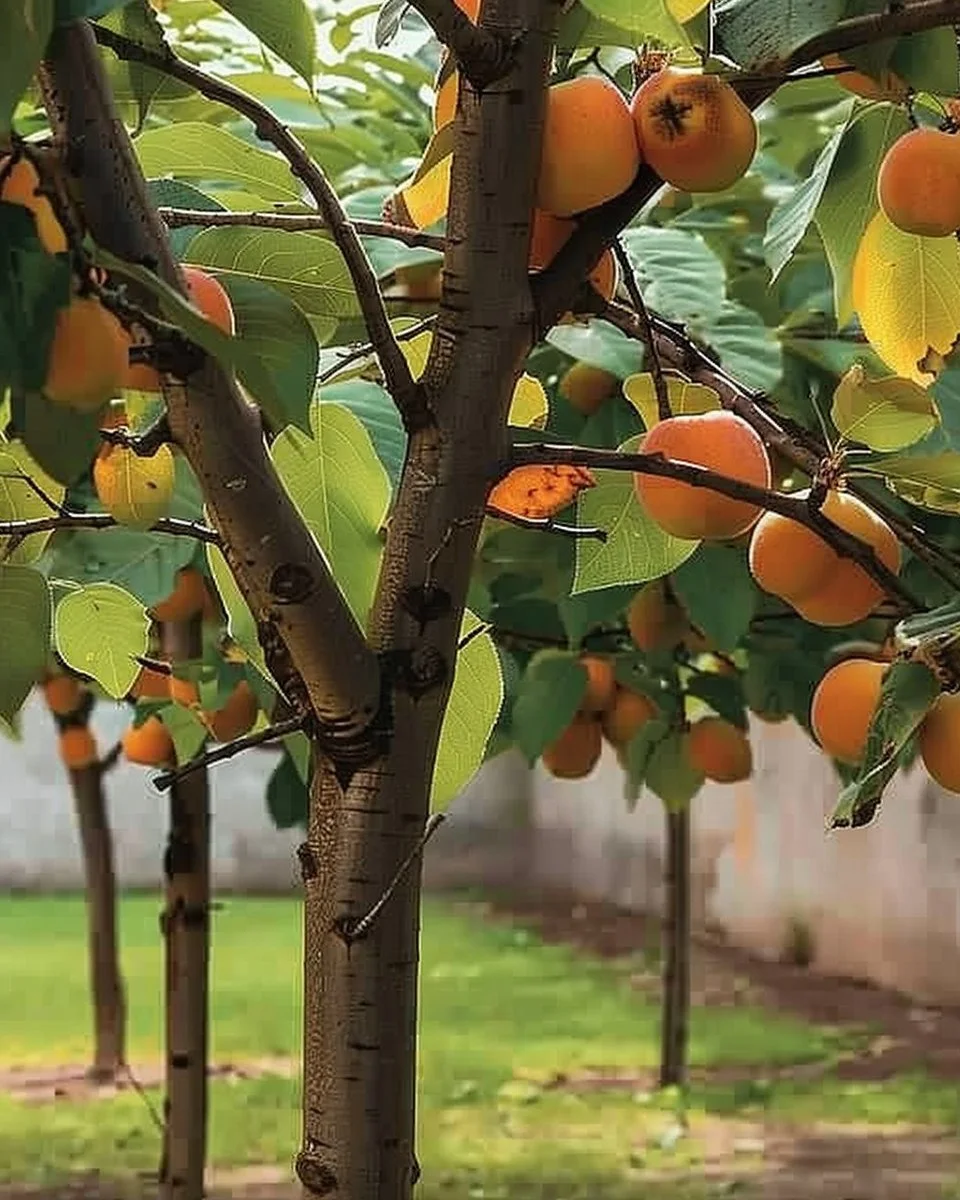
Apricot trees are another fantastic selection for quick yields. In as little as 2-4 years, you can enjoy amber-hued, luscious fruits. Apricots grow well in warmer climates, so they prefer USDA zones 5-8. Like peaches, apricots benefit from regular watering, especially during dry spells, to ensure sweet-tasting fruit.
Nectarine Trees
Much like peaches, nectarines develop quickly and yield fruit in around 3-4 years. These smooth-skinned relatives prefer the same climate and care as their fuzzy counterparts. A warm, sunny spot with regular watering and good air circulation will create optimal growing conditions.
Cherry Trees
Cherry trees not only offer delightful fruit but also stunning spring blooms. Sweet cherries typically bear fruit within 4-7 years, while sour varieties can produce sooner, about 3-5 years. Consider dwarf cherry trees if you’re short on space; they fit perfectly into small gardens and still produce tasty cherries.
Fig Trees
For those in USDA zones 8-10, fig trees can be quite rewarding. They grow rapidly and can start producing fruit in just 2-3 years. With their unique, sweet flavor, figs lend themselves well to fresh eating or incorporation into various dishes. A drought-tolerant species, fig trees do well in less-than-ideal watering conditions once established.
Apple Trees
Apple trees have long been a favorite for home gardeners. Dwarf varieties are especially quick growers, maturing within 3-5 years. Apples thrive in cooler climates (zones 3-8) and can offer bountiful harvests with proper care. Training the branches will ensure they develop a strong framework as they grow.
Plum Trees
Plum trees can deliver delicious fruit in about 3-5 years. They prefer full sun and moist, well-draining soil, making them versatile for various growing conditions. Both Japanese and European plums have their merits—Japanese plums are typically sweeter, while European varieties are often favored for cooking.
Mulberry Trees
If you’re looking for a tree that grows quickly and gives you a delicious harvest, look no further than the mulberry. They can produce fruits in just 1-2 years and thrive in both USDA zones 5-9. Sweet even when not fully ripe, mulberries are a fantastic addition to your orchard for pies and jams.
Pomegranate Trees
Pomegranate trees are often overlooked, yet their bright fruits are packed with flavor and health benefits. They grow quickly, often yielding fruit in just 3-4 years. However, they thrive in warmer climates (USDA zones 8-10). Once established, these trees require minimal water and care.
Pear Trees
With many varieties available, pear trees can bear fruit in as little as 3-6 years. They do well in a range of climates, and their exquisite blossoms contribute to a lovely landscape. Consider planting multiple varieties as many pears require pollinators to set fruit.
Lemon Trees
Craving citrus in your backyard? Lemon trees can begin producing fruit in as little as 3-5 years, depending on the variety. They flourish in warmer climates (zones 9-11) and require well-draining soil and consistent moisture to ensure juicy lemons year-round.
Persimmon Trees
Persimmons grow rapidly, with many varieties yielding fruit within 3-5 years. These trees are both stunning and practical, producing bright orange fruits that delight gardeners and eaters alike. Persimmons thrive in sunny spots with moderate watering.
Care and Maintenance Tips for Your Orchard
Having a space with your choice of fast-growing fruit trees is an incredible achievement; however, the journey doesn’t end there. Taking care of them is crucial for a successful harvest. Here are some essential tips to keep your orchard thriving.
Pruning Techniques
Regular pruning not only helps keep your trees healthy, but it also leads to better air circulation and sunlight penetration. Most fruit trees benefit from pruning in late winter or early spring before they blossom. Prune away any dead or diseased branches and thin out crowded areas to allow sunlight to reach the inner branches.
Pest Control
No one likes dealing with pests, but they are a part of gardening life. Keep an eye out for common pests such as aphids, spider mites, and fruit flies. Utilize organic pest control options like neem oil or insecticidal soap to protect your trees without harming beneficial insects.
Fertilization Tips
Fertilizing your trees can benefit their growth significantly. Consider a balanced fertilizer that supplies essential nutrients like nitrogen, phosphorus, and potassium. Apply as per package instructions, typically in early spring as growth starts to kick in. Additionally, incorporating compost into your soil can provide a steady source of nourishment throughout the year.
Common Challenges and Solutions in Growing Fruit Trees
Even the best gardeners face challenges, and knowing how to troubleshoot can save time and helps in nurturing a vibrant orchard. Below are some common issues and solutions to keep your trees healthy.
- Leaf Discoloration: If you notice yellowing leaves, it may be a sign of nutrient deficiency or overwatering. A soil test can help identify issues, and adjusting watering or adding fertilizer can typically help you address this problem.
- Poor Fruit Set: If trees flower but don’t produce fruit, possible reasons include inadequate pollination or stress (from drought or disease). Planting multiple varieties for better pollination or ensuring proper watering can help improve yields.
- Diseases: Fungal infections can plague fruit trees, especially during wet weather. Utilize resistant varieties when possible and practice good sanitation, ensuring fallen leaves are cleaned up to reduce disease risks.
Conclusion
Cultivating your orchard by selecting among the 13 Fastest Growing Fruit Trees For Your Orchard can be an exhilarating journey. With quick results, these trees not only fill your garden with beauty but also offer delicious fruits for you and your family to enjoy. Through careful planning and maintenance, your trees will thrive, providing a bounty of fruit for years to come. So grab that shovel, roll up your sleeves, and start planting. Your new orchard awaits!
FAQs
What fruit trees grow the fastest?
Peach, apricot, and fig trees are among the fastest, maturing in as little as 2-4 years.
How do I choose the right fruit tree for my climate?
Check your USDA hardiness zone and select trees that thrive in that specific climate.
When is the best time to plant fruit trees?
Typically, spring or fall is the best time, depending on your local climate and tree type.
Do I need more than one fruit tree to produce fruit?
Many types of fruit trees, like pear and cherry, require a pollinator to set fruit, so planting more than one variety is beneficial.
How often should I water my fruit trees?
Newly planted trees need consistent moisture, while established trees may require less frequent watering. Monitor the soil to avoid overwatering.