
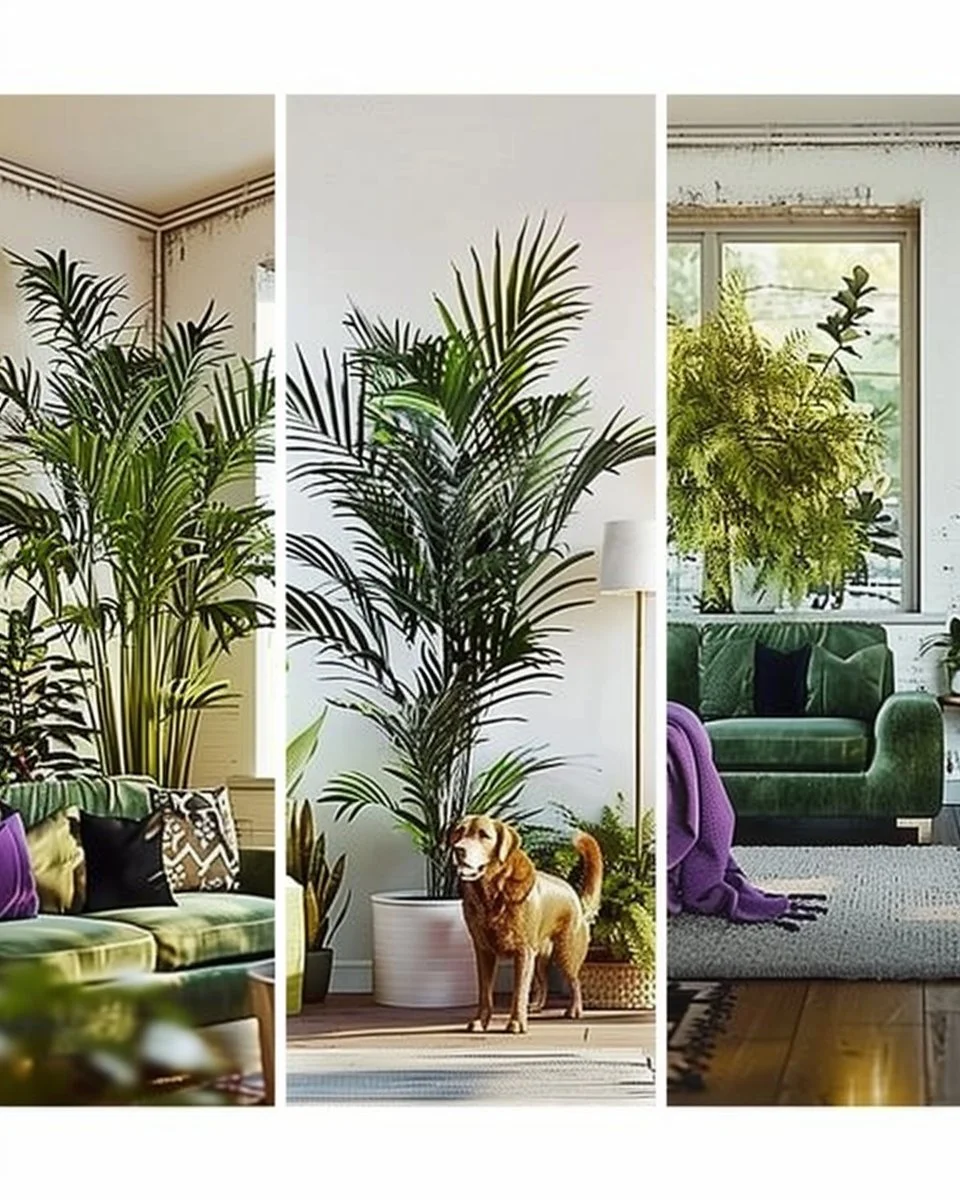
Introduction
If you’re a plant lover and a pet parent, you might feel a bit torn between your green thumb and your furry friend’s safety. It’s a common concern: which indoor plants are safe for dogs? I remember bringing home a beautiful pothos, only to find out days later that it’s toxic to pups. A true heartbreaker! Luckily, there are plenty of stunning indoor plants that can brighten up your home without putting your dog at risk. In this article, we’ll explore the 12 Top Indoor Plants Safe for Dogs, offering a guide to pet-friendly foliage that complements your space beautifully while keeping your canine companion safe. Get ready to discover the best options for a vibrant indoor garden that everyone in your home can enjoy!
Table of Contents
12 Top Indoor Plants Safe for Dogs
When choosing houseplants, it’s crucial to prioritize safety for your furry friends. Here’s a list of 12 Top Indoor Plants Safe for Dogs, each one not only decorative but also benign for your beloved pets.
1. Spider Plant
Spider plants are resilient and easy to care for. Their long, arching leaves create an attractive cascade, and they can thrive in various light conditions. Plus, they act as natural air purifiers!
2. Boston Fern
With its lush fronds, the Boston fern adds a touch of tropical charm to your space. It’s safe for dogs and can help maintain humidity levels in your home, making it an excellent choice for plant enthusiasts.
3. Areca Palm
The Areca palm is a beautiful addition to any indoor garden. Its feathery foliage offers a tropical vibe, and it’s highly effective at removing indoor air pollutants—great for both you and your dog!
4. Bamboo Palm
This stunning plant is known for its striking appearance and air purification qualities. The bamboo palm grows tall and can elevate any room’s aesthetic without compromising your dog’s safety.
5. Parlor Palm
Easy to care for and pet-friendly, the parlor palm is perfect for beginners. Its elegant, arching fronds can thrive in low light, making it a versatile choice for various spaces.
6. African Violet
These lovely flowering plants are not just safe for dogs; they also bring a splash of color into your home. They prefer bright, indirect light and can bloom profusely with the right care.
7. Christmas Cactus
For those who appreciate holiday décor, the Christmas cactus is an excellent option. Not only does it produce beautiful blooms in the winter, but it’s also non-toxic for pets!
8. Prayer Plant
Prayer plants are known for their unique patterns and gentle care requirements. Their colorful leaves fold up at night, creating a lovely, interactive element in your home.
9. Calathea
Calathea plants offer vibrancy and elegance with their stunning leaf patterns. They thrive in indirect light and high humidity, making them a favorite for many plant lovers.
10. Spiderwort
With its striking purple flowers, spiderwort is both eye-catching and completely safe for dogs. It’s an easy-care plant that adapts well to indoor environments.
11. Friendship Plant
This delightful plant is not only safe for dogs but is also a symbol of friendship due to its ability to propagate easily from cuttings. Its textured leaves are an attractive addition to any home.
12. Peperomia
Peperomia plants are low-maintenance and come in various shapes and colors. They’re compact and perfect for tabletops, making them a cute, dog-friendly option.
Benefits of Having Indoor Plants
Incorporating plants into your home can do wonders for your environment and well-being.
Fresh Air and Improved Mood
Plants like the ones mentioned not only enhance your decor but also purify the air you breathe. By absorbing toxins and releasing oxygen, they contribute to a healthier home environment. Studies have shown that green spaces can improve mood and promote relaxation—something all pet owners can appreciate!
Aesthetically Pleasing Home Environment
There’s something about greenery that instantly elevates a space. Whether it’s a vibrant pot of flowers or a lush fern, plants create a warm and inviting atmosphere. Your pets will appreciate the beauty as much as you do, even if they don’t say it aloud!
Pet-Friendly Options
Opting for pet-friendly plants allows you to enjoy the best of both worlds: a thriving indoor garden without the worry of toxic plants around your dog. This peace of mind lets you focus on enjoying your home and your pets fully.
How to Maintain Indoor Plants Safely
Selecting the right plants is just the beginning. Here’s how to keep them thriving while ensuring your pet’s safety.
Proper Watering Techniques
Overwatering can lead to root rot, which isn’t healthy for your plants—or for your home environment. Ensure you use containers with drainage holes and check the soil moisture before watering. A plant’s leaves can offer clues; wilting or discoloration may indicate it needs a drink—or a break from water!
Identifying Common Issues
Keep an eye out for pests or diseases, which can affect your plants. If you notice unusual spots on leaves or a sticky residue, it may be time to inspect them closely. Regularly inspecting your plants ensures they stay healthy and vibrant.
Pet Safety Measures
To protect your pets, consider placing your plants out of reach or in areas where they can’t easily access them. Training your dogs to avoid specific areas can also help maintain a safe plant environment.
Additional Considerations for Pet Owners
As a pet owner, there are crucial factors to consider when introducing new plants into your home.
Non-Toxic vs. Toxic Plants
Familiarizing yourself with plants that are safe and those that aren’t is essential. Resources like the ASPCA’s toxic and non-toxic plant database can guide you in making informed choices.
Signs of Plant Ingestion
If you suspect your dog has ingested a plant, watch for symptoms such as vomiting, diarrhea, or lethargy. Always consult your veterinarian if you believe your pet may have ingested something harmful.
Creating a Pet-Friendly Space
Designing your home with pets in mind can enhance both aesthetics and safety. Consider high shelves for plants, or designate outdoor space for some of the more delicate varieties.
Tips for Choosing the Right Indoor Plants
Selecting the perfect indoor plants involves a bit of thought and consideration.
Consider Your Environment
Think about the lighting conditions in your home. Some plants thrive in bright, direct light, while others prefer shade. Assessing your space will guide you in choosing plants that thrive.
Assess Light Requirements
Understanding your plants’ light requirements will help them grow strong and healthy. If you have low light conditions, go for shade-tolerant varieties from our list.
Size and Space Considerations
Think about the size of your plants in relation to your space. Tall plants might overwhelm a small room, while smaller plants could be perfect for tabletops or shelves.
Conclusion
Transforming your home into a vibrant oasis with indoor plants doesn’t have to come at the expense of your dog’s safety. With the 12 Top Indoor Plants Safe for Dogs, you can create a beautiful environment that enriches your life and keeps your furry friend happy and healthy. Remember to maintain proper care and keep your plants in safe spaces to ensure a thriving indoor garden. Here’s to enjoying the beauty of greenery alongside our beloved pets!
FAQs
Q: What indoor plants are toxic to dogs?
A: Some common toxic plants include pothos, philodendron, and lilies. Always check plant toxicity before purchasing.
Q: How can I make sure my dog doesn’t eat plants?
A: Training is key! Teach your dog to avoid certain areas, and consider using deterrent sprays on plants your pet might get into.
Q: Do non-toxic plants require special care?
A: Non-toxic plants often have similar care requirements as regular houseplants, but always check individual needs, including light, water, and soil type.
Q: Can dogs be allergic to any plants?
A: Yes, dogs can be sensitive or allergic to specific plants. Monitor your dog for signs of allergic reactions like itching or respiratory issues.
Q: Where can I find non-toxic plants?
A: Local nurseries and garden centers often provide clear labeling for pet-safe plants. Online resources, like the ASPCA’s plant list, are also very helpful.