

Introduction
Have you ever looked at a friend’s garden and thought, “Wow, I wish my vegetable patch looked that good”? Growing your own vegetables can feel like a daunting task, but it doesn’t have to be! With just a little creativity and the right inspiration, you can transform a simple plot into a stunning vegetable garden that’s not only productive but also a visual delight. This is where our topic, “12 Pretty Vegetable Garden Ideas That Truly Impress,” comes into play. In this article, we’ll explore a variety of innovative and breathtaking vegetable garden designs that will not only inspire you but also give you practical tips on how to make your garden flourish. Whether you’re a seasoned gardener or just dipping your toes into the soil, there’s something here for everyone.
Table of Contents
Creating a Colorful Garden with Companion Planting
Companion planting is more than just a practical gardening technique; it’s an artistic approach to creating a vibrant garden. By planting certain vegetables and flowers together, you can enhance their growth and health while also adding a splash of color to your garden plot.
Benefits of Companion Planting
Did you know that some plants can help each other thrive? For example, planting marigolds alongside your vegetable plants can deter harmful pests, while legumes can enrich the soil with nitrogen. This creates a more nutritious environment for your plants, ultimately leading to a more impressive garden.
Popular Companion Plant Pairings
Consider pairing tomatoes with basil; the aromatic basil not only enhances the flavor of the tomatoes but can also repel flies and mosquitoes. Another great combo is carrots and onions; the scent of onions can confuse carrot flies, giving your carrots a chance to grow without interruption. These pairings not only boost your harvest but also add rich textures and colors to your garden.
Vertical Gardening Techniques for Small Spaces
If you’re short on space but still want a lovely vegetable garden, vertical gardening techniques are perfect for you! This method uses vertical structures to grow plants upwards rather than outwards, making the most of limited space.
Choosing the Right Vegetables
When selecting plants for vertical gardening, look for vine varieties like cucumbers, peas, and pole beans. These veggies naturally climb when given the right support, allowing them to flourish in a smaller footprint.
DIY Vertical Planters
Building your own vertical planter is easier than you might think. Use old wooden pallets or create a tiered structure with shelves to hold pots of your favorite vegetables. Not only will this save space, but it will also create an eye-catching display that draws the eye upward.
Incorporating Edible Flowers for Beauty and Taste
Why stick to just vegetables when you can grow stunning edible flowers that add both beauty and flavor to your meals? Edible flowers can transform a mundane vegetable patch into a picturesque garden.
Best Edible Flowers to Grow
Some popular choices include nasturtiums, which have a peppery flavor, and pansies, which are slightly sweet. These flowers can be used in salads, as garnishes, or even in drinks. Imagine a salad decorated with vibrant, colorful pansies—your guests will be wowed!
Pairing Edible Flowers with Vegetables
Try planting edible flowers alongside your vegetables to enhance their aesthetic appeal. For example, planting nasturtiums amongst leafy greens adds a burst of color while attracting beneficial insects that help with pollination.
Designing a Raised Bed Garden for Aesthetic Appeal
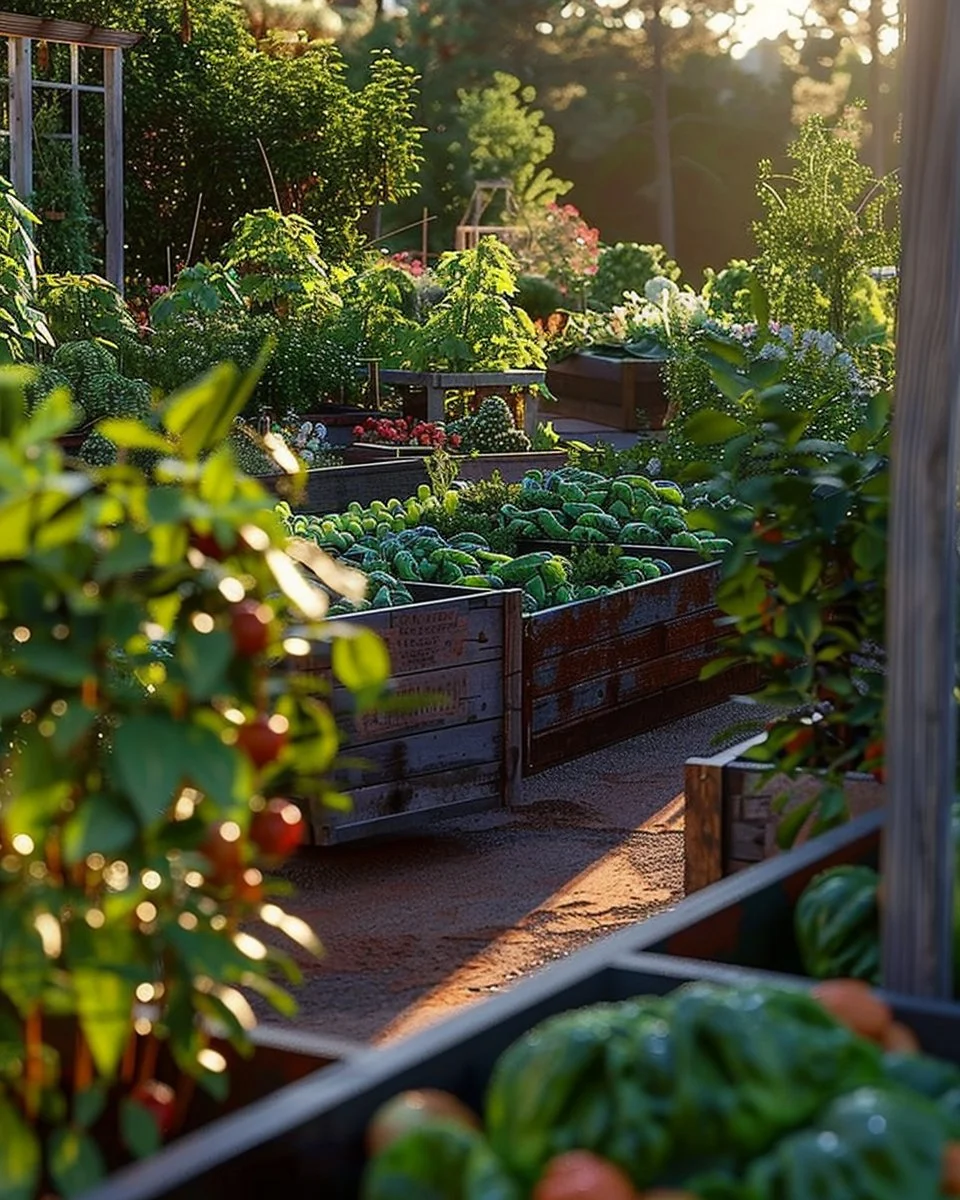
Raised bed gardens are a fantastic way to keep your vegetables organized, improve soil drainage, and bring an added level of design to your vegetable garden.
Materials for Raised Beds
You can use a variety of materials to create raised beds, including wood, bricks, or even stones. Just be sure to line your beds with landscaping fabric to prevent weeds while keeping your soil intact.
Layout Ideas for Raised Beds
Consider arranging your raised beds in an organized geometric pattern for a polished look. You could also include pathways made of gravel or stepping stones to enhance accessibility and add an element of design to your garden.
Adding Decorative Elements to Your Vegetable Garden
Decorative elements can elevate your vegetable garden, making it as much an artistic expression as it is a growing space.
Garden Ornaments and Art
Think about placing decorative items such as birdhouses, sculptures, or even colorful garden flags to enhance the visual appeal. These elements can provide focal points that draw the eyes in and make the garden feel inviting.
Using Pathways and Borders
Defining pathways with brick or stone can give your garden structure while creating a visually appealing look. Border your garden with flowering plants or herbs to add texture, demonstrating that utility and beauty can go hand in hand.
Seasonal Vegetable Garden Ideas for Year-Round Harvesting
One of the best ways to ensure a constant supply of fresh produce is by planning your garden around the seasons. With thoughtful planting and a few strategic choices, you can harvest vegetables year-round.
What to Plant in Each Season
Start with cool-weather crops like greens and radishes in spring, then transition to heat-loving plants like peppers and tomatoes in summer. Consider experimenting with winter vegetables like brussels sprouts or hardy greens that thrive in cooler temperatures.
Crop Rotation and Soil Health
Practicing crop rotation each year helps maintain soil health and prevents diseases from taking hold. Planning your gardening seasons allows you to mix and match crops so that your garden remains diversified and vibrant.
Sustainable Practices to Impress Friends and Neighbors
Sustainability in gardening not only benefits the planet but can also greatly enhance the beauty and productivity of your vegetable patch. By adopting eco-friendly practices, you’ll impress your friends while promoting a healthier environment.
Composting Basics
Starting a compost pile is simple and an excellent way to recycle organic materials while enriching your soil. Add kitchen scraps, grass clippings, and autumn leaves to create nutrient-rich compost that your vegetables will love.
Natural Pest Control Methods
Instead of relying on chemical pesticides, stick to natural pest control methods. Introduce beneficial insects like ladybugs or create homemade sprays using garlic and pepper to deter unwelcome pests while keeping your garden healthy.
Simple Maintenance Tips for a Beautiful Garden
The beauty of your vegetable garden stems from regular maintenance. Here are a few simple tips to keep your garden in pristine condition.
Regular Feeding Schedule
Most vegetables thrive on a feeding schedule where they receive nutrients every few weeks. Be sure to use organic fertilizers to support healthy growth and vibrant colors in your garden.
Watering Tips for Optimal Growth
Water deep and less frequently to encourage strong root systems. Early morning watering is ideal, as it helps prevent diseases that thrive in damp conditions later in the day. Installing a rain barrel can also help you collect rainwater to use in dry spells.
Conclusion
Creating a stunning vegetable garden is not only rewarding but can also serve as a great source of fresh produce for your table. By incorporating these 12 pretty vegetable garden ideas that truly impress, you can transform an ordinary space into an extraordinary one. Remember, gardening is a journey filled with learning and experimentation. So, dig deep, get your hands dirty, and enjoy the fruits of your labor—both visually and on your dinner plate!
FAQs
What are some easy vegetables for beginners to grow?
Start with carrots, radishes, lettuce, and herbs like basil or cilantro. These are typically hardy and easy to manage.
How can I make my garden more attractive without spending a lot?
Use creative elements like colorful plant labels, homemade garden art, or upcycled materials for plant supports to add charm without breaking the bank.
Should I use organic fertilizers for my vegetable garden?
Yes! Organic fertilizers enhance soil health and help grow delicious vegetables free from harmful chemicals.
How do I protect my garden from pests naturally?
Introduce beneficial insects, use barriers like row covers, or create homemade sprays with natural ingredients to deter pests.
What is the best time to plant vegetables?
Plant times vary by region and vegetable type, but generally, spring and fall are optimal for a variety of crops. Always check your local planting guide for specific recommendations.