
Introduction
Have you ever felt torn between wanting to fill your home with beautiful plants and worrying about the safety of your furry friends? You’re not alone! Many pet owners find themselves in this dilemma. Fortunately, there are plenty of options, and in this article, we’ll explore 12 Non-Toxic Houseplants for Homes with Pets. You’ll learn about the best plants to enrich your living space while ensuring your pets stay safe and healthy. Let’s dive in!
Table of Contents
12 Non-Toxic Houseplants for Homes with Pets
Here’s a list of our top 12 non-toxic houseplants that are safe for your furry companions:
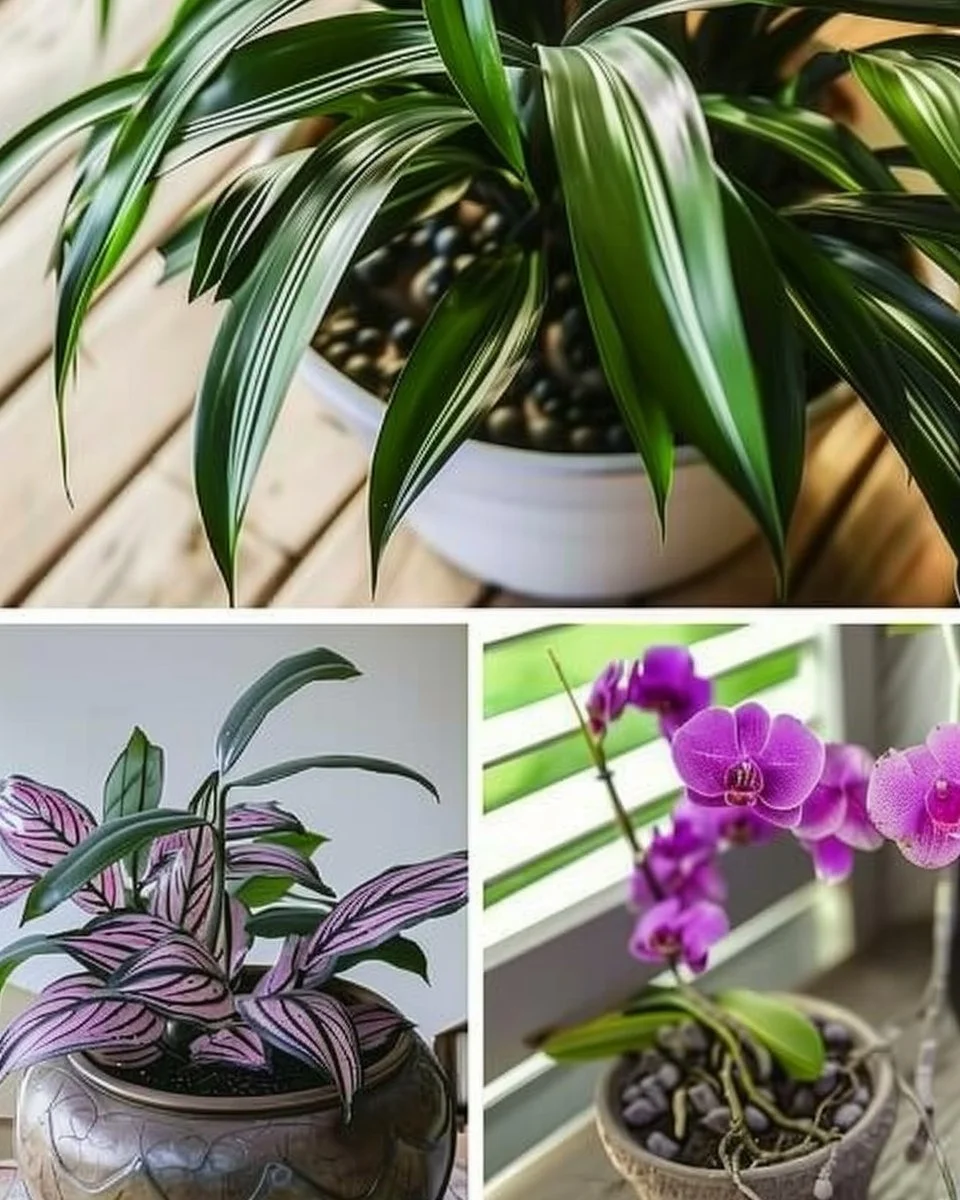
Spider Plant
The spider plant is a fantastic choice that thrives in various conditions. Its attractive green leaves with white stripes can bring a cheerful vibe to any room. Plus, it’s low maintenance and can even help purify the air.
Boston Fern
This lush fern is not just appealing; it’s also great at adding humidity to your environment. Cats and dogs are safe around Boston ferns, and they love the cooler, damp corners of your home.
Areca Palm
Also known as the butterfly palm, the Areca palm adds a tropical touch to your space. It’s perfect for pet owners who want a touch of the outdoors inside, and its fronds are safe for pets.
Bamboo Palm
This palm is known for its elegant look and ability to filter indoor air pollutants. It’s pet-friendly and can flourish in low light, making it an excellent option for apartments or darker rooms.
Parlor Palm
With its nice, feathery fronds, the parlor palm is another tropical houseplant that pets can safely be around. It’s perfect for low-light areas and is incredibly easy to care for.
Money Tree
The money tree is a symbol of good luck and prosperity. Plus, it’s non-toxic and thrives in bright, indirect light. Cats often love to explore its bumpy trunks.
Calathea
These plants are known for their stunning patterned leaves which can brighten up any room. Calathea is safe for pets and loves humidity, making it ideal for kitchens or bathrooms.
Christmas Cactus
A festive favorite, the Christmas cactus blooms with beautiful flowers during the winter months. It’s safe for pets and adds a pop of color to your home.
Friendship Plant
Known for its unique leaves that resemble a quilt, the friendship plant is perfect for sharing. It’s non-toxic and thrives in indirect sunlight.
Peperomia
With its thick, waxy leaves, peperomia is a cute addition to your plant collection. It’s safe for pets and needs very little water, making it an ideal beginner plant.
Ponytail Palm
The ponytail palm stands out with its bulbous trunk and long, flowing leaves. It’s safe for pets and only requires occasional watering, making it a low-maintenance choice.
Burros Tail
The burros tail is a succulent that adds a lovely trailing effect on shelves or hanging pots. Its fleshy leaves make it a unique home for pets, who usually stay away from succulents.
Benefits of Non-Toxic Houseplants
Bringing plants into your home offers numerous advantages beyond aesthetics. Houseplants can improve air quality, reduce stress, and enhance your overall well-being. For pet owners, choosing non-toxic options means you can ensure a safe environment for your dogs and cats while still enjoying the beauty and benefits of greenery.
Factors to Consider When Choosing Houseplants
When selecting houseplants, several factors come into play, especially when you have pets. Here are some key points to consider:
Pet Safety
Always prioritize the safety of your small companions. Familiarize yourself with plants that are harmful to pets and avoid those. Doing your research on non-toxic species, like those mentioned, ensures a worry-free environment.
Light Requirements
Different plants have varying light needs. Assess your home’s lighting conditions. For instance, if you have a bright room, prefer sun-loving varieties; if you’re in a dimmer space, opt for plants that thrive with less light.
Care Needs
Different plants require different levels of care. If you’re a busy pet parent, consider low-maintenance plants like the spider plant or pothos to free up time for your furry friend.
Top 12 Non-Toxic Houseplants
Let’s delve deeper into each of the plants listed earlier. Understanding their specific needs can help you become a confident plant parent.
Spider Plant
Spider plants are remarkably adaptive and can tolerate various light conditions, making them ideal for homes with pets. Hang them high if your pets like to nibble!
Boston Fern
A great choice if you love greenery, Boston ferns prefer humidity. Keep them in a spot where they can get indirect light and dampen the soil often.
Areca Palm
These palms grow tall and lush, needing bright, indirect sunlight. They’re also known for being excellent air purifiers. Just keep the soil moist but not soggy.
Bamboo Palm
With their striking looks and easy-going nature, bamboo palms adore bright spaces but do well in low light too. Water them when the topsoil feels dry.
Parlor Palm
The parlor palm doesn’t need too much fuss. It loves indirect light and requires watering every couple of weeks, letting the soil dry out in between.
Money Tree
Place your money tree in a bright spot but avoid direct sunlight. Regular watering will keep it happy, but make sure you don’t let it sit in water.
Calathea
Calathea loves humidity! Keep it in a warm, humid area and provide it with indirect sunlight. Mist its leaves occasionally to keep it lush.
Christmas Cactus
Perfect for winter blooms, this cactus prefers bright, indirect light. Let the soil dry out between waterings, especially during the fall and winter months.
Friendship Plant
Friendship plants need bright, indirect light and love consistent moisture. Ensure its soil doesn’t dry out completely, and it’ll thrive.
Peperomia
Peperomia is famous for being low maintenance; it thrives in indirect light and rarely requires watering, making it ideal for busy homes.
Ponytail Palm
This distinctive plant thrives on neglect. Water it only when the soil is completely dry. It can tolerate bright or indirect light, making it versatile.
Burros Tail
This succulent loves bright, sunny spots. Let the soil dry out fully between waterings, and watch as its lovely leaves cascade beautifully.
How to Care for Your Houseplants
Proper care is vital for keeping your plants healthy and thriving. Here’s how to ensure they flourish while maintaining a pet-friendly environment.
Watering Tips
Ensure you understand the watering needs of your plants. Overwatering can lead to root rot. It’s often better to err on the side of underwatering.
Fertilizing and Soil Needs
Most houseplants benefit from fertilizer every few months during the growing season. Be mindful of your soil choice; well-draining soil helps prevent overwatering issues.
Common Pest Control
Keep an eye out for common pests like spider mites and aphids. Natural solutions like insecticidal soap can help keep your plants and pets safe.
Creating a Pet-Friendly Plant Display
Creating an attractive plant display while ensuring it’s pet-friendly can be a fun project! Consider using shelves or hangers to keep plants out of reach from curious noses. Grouping plants with similar light requirements can make care easier. Explore different pot styles to make the display visually appealing, and don’t forget to rotate plants regularly for even growth.
Conclusion
Choosing houseplants doesn’t have to be a daunting task for pet owners anymore! With our list of 12 Non-Toxic Houseplants for Homes with Pets, you can enjoy the beauty and benefits of greenery without worrying about your furry friends’ safety. Take the time to select plants that fit your home and lifestyle, and you’ll create a vibrant, healthful space for both you and your pets. Remember, a happy home is one filled with both love and life!
FAQs
Are all houseplants safe for pets?
No, many houseplants can be toxic to pets. Always research plant safety before bringing them into your home.
How can I identify if a plant is non-toxic?
Look for reputable sources or databases that list pet-safe plants, or consult your veterinarian for guidance.
What should I do if my pet ingests a toxic plant?
Contact your veterinarian immediately or an emergency animal poison control hotline for guidance.
Can I keep plants on shelves if I have pets?
Yes! Placing plants on high shelves or in hanging planters can keep them safe from curious pets.
Do plants need special care beyond watering?
Yes, different plants have varied needs regarding light, humidity, and soil type. Always check the requirements for your specific plants.