
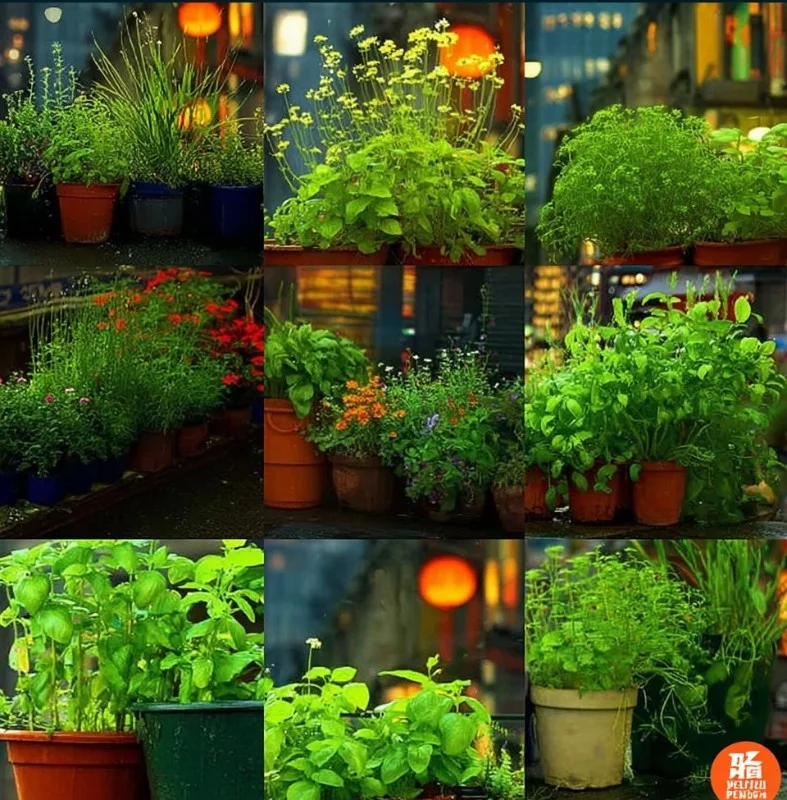
Did you know that you can grow a thriving herb garden right on your balcony or patio, even if you have limited space? There’s something incredibly rewarding about stepping outside your door and snipping fresh herbs for dinner, and you don’t need a sprawling backyard to make it happen. Whether you’re a seasoned gardener or just starting out, container gardening offers a wonderful opportunity to cultivate your favorite herbs. In this article, we’ll explore the 12 Must-Have Herbs for Your Container Garden: Thrive in Pots! and provide you with all the details you need to grow a flourishing herb collection.
Imagine the aroma of fresh basil wafting through your kitchen or the vibrant green of parsley brightening up your meals. With the right herbs and care, your container garden can not only provide culinary delights but also enhance your outdoor space. Let’s dive into which herbs you should consider planting, how to nurture them, and some tips to ensure they thrive.
Table of Contents
What Is Container Gardening?
Container gardening is simply the practice of growing plants in pots or containers instead of in traditional garden beds. It’s an accessible way for anyone, regardless of space constraints, to dive into gardening. You can arrange your pots on a balcony, a windowsill, or even indoors, creating a miniature garden that’s both functional and beautiful.
Benefits of Growing Herbs in Containers
One of the biggest benefits of growing herbs in containers is the flexibility it offers. Herbs can be moved around to catch the sun or protect them from harsh weather. Additionally, container gardening minimizes the struggle with soil quality, as you can use potting soils tailored to the specific needs of your herbs. Have you ever felt frustrated with poor garden soil? With pots, you eliminate that problem entirely.
The Importance of Choosing the Right Containers
When selecting containers, ensure they have adequate drainage holes to prevent waterlogging, which can lead to root rot. Terracotta, ceramic, and plastic pots are all great options. Consider the size of the herb you want to grow; larger herbs will need larger pots, while smaller ones can thrive in smaller containers.
Choosing the Right Herbs
Now, let’s get into the fun part—choosing your herbs! There are countless varieties you can grow, but some stand out as particularly well-suited for container gardening.
Top Herbs to Grow in Containers
Basil: This aromatic herb thrives in warmth and sunlight. It’s perfect for windowsills where it can soak up those rays. Plus, it’s indispensable for Italian dishes!
Parsley: An easy-to-grow herb that prefers partial shade. Its fluffy leaves are great for garnishes, and it can add so much flavor to your dishes.
Mint: Mint is incredibly versatile but can be quite invasive. Growing it in pots helps contain its growth while making it easily accessible for your favorite teas and desserts.
Chives: With a mild onion flavor, chives are perfect for container gardens. They love full sunlight and can be snipped regularly to encourage growth.
Thyme: This hardy herb thrives in containers and adds a wonderful earthy flavor to meals. Its compact size makes it ideal for small pots.
Oregano: A staple in Mediterranean cuisine, oregano grows comfortably in pots and needs minimal care.
Cilantro: Perfect for fresh salsa or garnishing your favorite dishes, cilantro prefers cooler weather and can be grown in part shade.
Herbs That Thrive in Small Spaces
If you’re working with limited space, here are a few herbs perfect for your pots:
- Sage: This herb has a strong flavor and can thrive in small containers.
- Rosemary: Compact varieties are great for pots, and their woody stems add an aromatic touch to your garden.
Tips for Mixing Herbs in Containers
Don’t be afraid to mix different herbs in the same container! Just make sure they have similar sunlight and watering needs. A pot with basil, chives, and parsley can create a lovely trio that’s not only enjoyable to grow but also to use in your kitchen.
Essential Care Tips for Your Container Herbs
Taking care of your container herbs involves a few important practices that will help them thrive.
Watering Techniques for Container Herbs
Herbs in pots tend to dry out quicker than those in the ground, so regular watering is crucial. Stick your finger in the soil; if it feels dry an inch down, it’s time to water. Early morning is the best time to water, allowing plants to absorb the moisture before the heat of the day.
Soil and Fertilization Practices
Using high-quality potting soil is vital, as it provides the necessary nutrients and drainage. Consider a slow-release fertilizer to keep your herbs healthy throughout the growing season. Just be cautious not to over-fertilize, as this can diminish the flavor of your herbs.
Pest and Disease Management
Keep an eye out for common pests like aphids and spider mites. A gentle spray of water can often dislodge these pests, but if that doesn’t work, consider introducing beneficial insects like ladybugs into your garden.
Harvesting and Using Your Herbs
One of the greatest joys of growing herbs is harvesting them for use in your kitchen.
How to Harvest Your Herbs Properly
For most herbs, you can begin harvesting once they reach about six inches tall. Use clean scissors to snip off leaves or stems, ensuring you leave enough plant behind for it to continue growing. Regular harvesting encourages bushier growth.
Best Ways to Use Fresh Herbs
Fresh herbs can enhance any dish. Toss them into salads, use them as garnishes, or incorporate them into your cooking for an extra layer of flavor. Have you tried making homemade pesto with your home-grown basil? It’s a delightful treat!
Troubleshooting Common Issues
Even the best gardeners run into occasional hiccups, so here’s how to keep your herbs flourishing.
Identifying Common Problems
If your herbs look wilted or discolored, check for over-watering or lack of sunlight. Poor growth may indicate they need more nutrients, while yellowing leaves can suggest over-fertilization.
Solutions for Struggling Herbs
Move pots that aren’t getting enough light to sunnier spots and consider rotating your herbs to ensure even sunlight. If pests emerge, try natural remedies before opting for harsh chemicals.
Conclusion
Cultivating the 12 Must-Have Herbs for Your Container Garden: Thrive in Pots! is not only rewarding but also a perfect way to enhance your culinary experience. With a little care, anyone can turn a few pots into a lush herb garden. Remember to choose the right containers, pick suitable herbs, and keep an eye on their needs to ensure they thrive.
Whether you’re sipping mint tea or tossing cilantro in a salsa, your home-grown herbs will turn everyday meals into something truly special. So grab your pots, some good soil, and plant your favorites today—your kitchen (and your taste buds) will thank you!
FAQs
What type of soil is best for container herbs?
High-quality potting soil designed for herbs or vegetables is your best choice, providing good drainage and nutrients.
How often should I water my container herbs?
Water when the top inch of soil feels dry, usually once a week, but increase frequency during hot weather.
Can I grow herbs indoors?
Absolutely! Many herbs thrive indoors, especially on sunny windowsills. Just ensure they receive enough light.
What is the best way to store fresh herbs?
Fresh herbs can be stored in the fridge wrapped in a damp paper towel or in a glass of water, like cut flowers.
How can I prevent pests from damaging my herbs?
Regularly inspect your herbs, encourage beneficial insects, and use insecticidal soap if necessary to keep pests at bay.