

Introduction
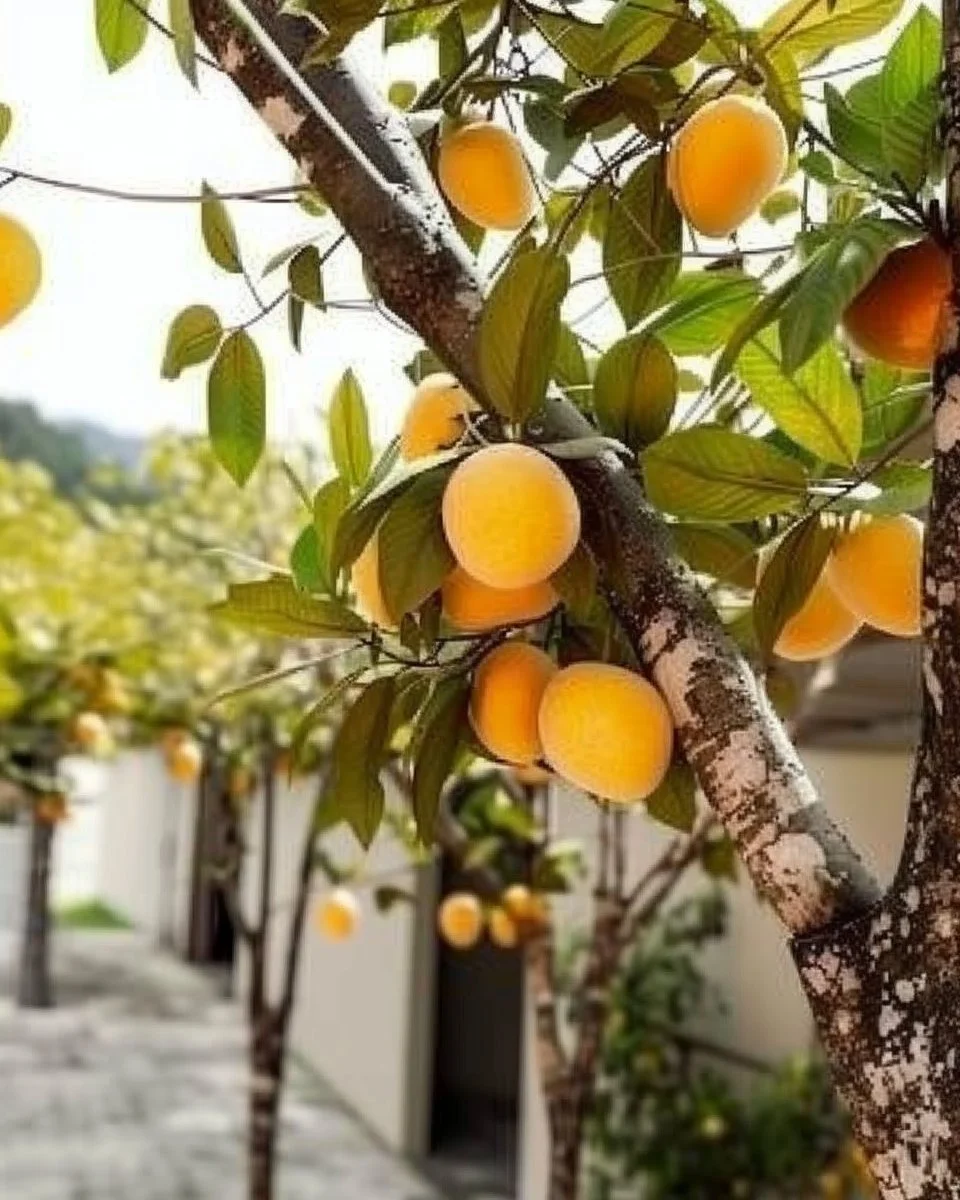
Imagine biting into a juicy, sun-ripened peach or plucking a fresh apple from your very own backyard. For many of us, the thought of growing fruit trees might seem daunting. But what if I told you that there are 12 low-maintenance fruit trees anyone can grow? Yes, you read that right! Whether you have a sprawling garden or just a cozy balcony, these trees can thrive with minimal effort, providing you with delicious fruit season after season.
In this article, we’re going to explore these amazing fruit trees, detailing their care requirements, ideal growing conditions, and the tasty fruits you can expect as a reward for your efforts. By the end, you’ll be inspired and equipped to start your very own fruit tree journey.
Table of Contents
Growing Your Own Fruit Trees
Benefits of Homegrown Fruits
Growing your own fruit trees comes with a wealth of benefits. First and foremost, there’s nothing quite like the taste of homegrown fruit. Have you ever noticed how store-bought fruits often lack that rich, vibrant flavor found in freshly picked produce? Additionally, home gardening promotes sustainability, reduces your carbon footprint, and can even save you money in the long run by cutting down on grocery bills.
There’s also the satisfaction of nurturing a living thing and watching it flourish. Every blossom, every tiny fruit developing, adds joy to the gardening experience.
How to Choose the Right Tree
When diving into the world of fruit trees, it’s essential to pick the right ones for your space and climate. Research local growing conditions, such as hardiness zones and average rainfall. For instance, if you’re in a warmer climate, peach or fig trees could thrive in your garden. On the other hand, if it gets cooler in winter, apples or pears might be better suited. The key is to choose trees that align with your local environment and your available space.
Overview of the 12 Low-Maintenance Fruit Trees
Now, let’s dive into the fun part: the remarkable 12 low-maintenance fruit trees anyone can grow. Each of these trees brings unique flavors and textures. Here’s what you need to know about them!
Apple Trees
Apple trees are often the go-to choice for new gardeners. They’re relatively easy to care for and can produce an abundant harvest. Most varieties require cross-pollination, so consider planting at least two types. They thrive in full sun and well-draining soil.
Pear Trees
Similar to apple trees, pears are low-maintenance and offer beautiful blossoms in the spring. They can tolerate a range of soil types, making them quite adaptable. Look for varieties like ‘Bartlett’ or ‘Bosc,’ which produce delicious fruit.
Cherry Trees
Not only do cherry trees produce sweet, delectable fruit, but their blossoms are stunning in spring. Wash their roots before planting to ensure they adapt well to their new home. You may choose between sweet and sour varieties, depending on your taste.
Plum Trees
Plum trees are hardy and often resistant to pests. They enjoy sunny spots and can thrive in various soil types. Varieties such as ‘Santa Rosa’ or ‘Methley’ are great choices for beginners because they yield generous fruits.
Fig Trees
If you want something a bit different, consider fig trees. They require minimal watering and are drought resistant, making them perfect for warmer climates. Just ensure they have good drainage to prevent root rot.
Peach Trees
Peach trees are a delightful addition to your garden. They blossom beautifully in spring and produce juicy fruits that are perfect for summer desserts. Select self-pollinating varieties if you have limited space.
Mulberry Trees
Mulberries are often overlooked but are incredibly rewarding. They’re vigorous growers and can tolerate poor soil. Kids love picking the ripe, black berries right from the tree!
Persimmon Trees
Persimmons are unique fruit that are high in vitamins and have a sweet, honey-like flavor when fully ripe. They are quite hardy and don’t require much care once established, making them ideal for busy gardeners.
Caring for Your Fruit Trees
Essential Soil and Sunlight Conditions
Each fruit tree has specific requirements for soil and sunlight. Generally, most trees prefer full sun, which translates to about 6–8 hours of sunlight daily. Ensure your soil drains well to prevent waterlogging. You can enrich your soil with compost to provide essential nutrients.
Pruning and Harvesting
Pruning is crucial for maintaining healthy trees and ensuring a good yield. It’s best done in late winter or early spring before new growth begins. Make sure to remove any dead or crossed branches to promote good airflow and sun exposure.
When it’s time to harvest, use your senses! Each fruit variety has its peak ripeness indicators, so get to know what to look for. The aroma and slight softness of the fruit can signal that they’re ready!
Common Problems and Solutions
Pests and Diseases
Even the hardiest fruit trees can fall victim to pests and diseases. Common culprits include aphids, spider mites, and fungal diseases. Regular monitoring can help catch these issues early. Organic solutions like neem oil or insecticidal soap can be effective, and maintaining good tree health through proper watering and pruning will help keep these nuisances at bay.
Environmental Challenges
Be mindful of weather challenges as well. Frost can harm flowering buds, so consider covering young trees during unexpected cold spells. Water stress during dry periods can also affect fruit production, so be sure to keep your trees well-hydrated.
Tips for Maximizing Fruit Production
To get the most out of your trees, consider complementary planting. Some friends of fruit trees include herbs and flowers that repel pests or attract pollinators. Planting flowers like marigolds, for example, near your trees can help deter aphids, while lavender can attract bees, enhancing pollination.
Conclusion
Growing your own fruit can be a rewarding and delightful experience. With these 12 low-maintenance fruit trees anyone can grow, you’re well on your way to enjoying fresh fruits right from your backyard. They not only beautify spaces but also provide nourishment and joy. So gather your gardening tools, choose your trees, and embark on this delicious journey today!
FAQs
What are the best fruit trees for small yards?
If you have limited space, consider dwarf varieties or compact trees like columnar apple trees or patio peach trees, which can grow in pots or small garden beds.
How much sunlight do fruit trees need?
Most fruit trees thrive with at least 6–8 hours of full sunlight daily. Some varieties can tolerate partial shade, but more sunlight generally leads to better fruit production.
Do I need to fertilize my fruit trees?
Yes, fertilizing can help boost growth and fruit production. Use a balanced fertilizer in early spring and follow the specific needs of your chosen tree varieties.
How long does it take for fruit trees to bear fruit?
Most fruit trees take about 3–5 years to produce fruit, but this can vary based on the species and growing conditions. Patience is key!
Can I grow fruit trees in pots?
Absolutely! Many fruit trees can be successfully grown in pots, especially varieties like dwarf apples, cherries, and figs. Just make sure the pot is large enough to accommodate the roots and water regularly.