
Introduction
Have you ever found yourself daydreaming about fresh vegetables right at your fingertips but felt limited by your apartment space? The good news is that you don’t need a sprawling backyard to enjoy a bountiful harvest. Apartment gardening is a rewarding hobby that allows you to grow your own food, even in the tiniest of spaces. Whether you have a windowsill, a small balcony, or just a bright corner, you can cultivate delicious vegetables right at home. In this article, we’ll explore 11 easy vegetables for apartment gardening that are perfect for beginners and apartment dwellers alike. You’ll discover why they thrive in smaller spaces and how to successfully grow them in your home environment.
Table of Contents
Benefits of Apartment Gardening
Apartment gardening offers a myriad of benefits that go beyond just growing food. For one, it allows you to experience the joy of nurturing a living thing, which can be incredibly therapeutic! It can also enhance your living space; vibrant greenery can liven up any apartment and improve your indoor air quality. Plus, when you grow your own vegetables, you also gain control over your food quality and can enjoy the freshest produce right from your home. Have you ever considered how much you save on groceries when you have fresh herbs and vegetables at your fingertips? Not to mention the satisfaction of eating something you’ve nurtured yourself!
Preparing Your Space for Vegetable Gardening
Choosing the Right Containers
Selecting the right containers is crucial for apartment gardening. Go for pots with drainage holes to ensure that your plants don’t sit in water. Materials like terracotta, ceramic, or even recycled containers can work well. Be mindful of the size; some vegetables, like tomatoes, need larger pots, while herbs can thrive in smaller ones.
Alternative Spaces for Gardening
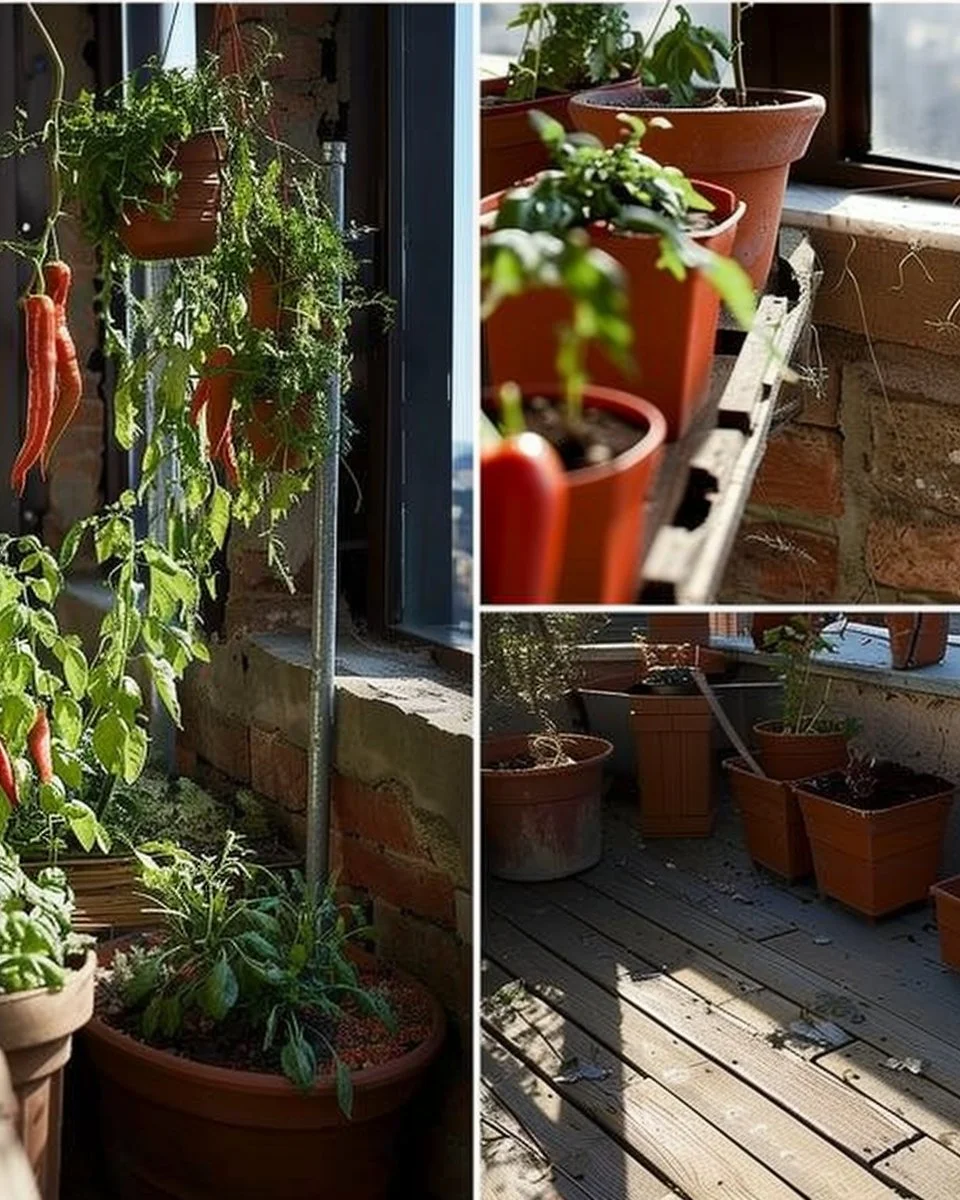
If you’re short on windowsill space, consider other options. Balconies can be transformed into urban gardens, while vertical gardening systems can maximize wall space. Hanging planters, shelves, or even a few plants on a desk can yield surprising results. You’d be amazed at how creative solutions can turn any underutilized space into a productive garden area.
Essential Tips for Growing Vegetables Indoors
There’s a learning curve for indoor gardening, but the basics are simple. First, ensure your plants have enough light. If natural sunlight is limited, consider using grow lights. Second, pay attention to temperature—most vegetables thrive between 65°F and 75°F. Lastly, always remember to rotate your plants regularly, so they grow evenly and avoid leaning towards the light source.
11 Easy Vegetables for Apartment Gardening
Herbs
Herbs are the perfect starting point for apartment gardening. They require minimal space and can dramatically enhance your culinary experiences. Basil, mint, and parsley are among the easiest to grow and can thrive well in small pots. Just snip off what you need while cooking, and you’ll find the flavor is vastly superior to store-bought varieties.
Leafy Greens
Spinach and lettuce are fantastic for small spaces. They grow relatively quickly, with most varieties ready to harvest in just 30 days. Not only do they require less room, but you can also grow them in shallow containers. The best part? You can keep regrowing them by harvesting outer leaves, allowing for a continuous supply.
Root Vegetables
Carrots and radishes are surprisingly well-suited for container gardening. They don’t require as much light and can flourish in deeper pots. Plus, the excitement of pulling fresh vegetables from the soil is truly unparalleled. You can experiment with colorful varieties of radishes to add some fun to your harvest.
Fruiting Plants
Tomatoes and peppers can also succeed in apartments, provided you choose dwarf varieties. These plants need a bit more care, requiring direct sunlight and deeper soil, but the reward is exhilarating. Imagine plucking a cherry tomato right off the vine and enjoying it fresh—it’s a garden delicacy like no other!
Care and Maintenance of Your Urban Garden
Watering and Fertilizing Tips
Overwatering is a common mistake in indoor gardening, so make sure to check the soil moisture before watering. Most indoor vegetables prefer to dry out a little between waterings. For nutrients, consider using organic tomato or vegetable fertilizer, which supports healthy growth without chemicals.
Pest Control Solutions
Even indoors, pests can become a nuisance. Regularly check your plants for aphids or spider mites and use insecticidal soap or neem oil when necessary. A simple spray of water can often keep bugs at bay, and ensuring good air circulation will also help—so don’t crowd your plants!
Harvesting and Enjoying Your Produce
Once your garden begins producing, embrace the joy of harvesting! Pick vegetables in the morning for the best flavor. Freshly picked produce lasts longer than store-bought and retains superior taste. Consider sharing your bounty with friends or experimenting with new recipes—fresh pesto from your basil, or salads from your lush greens!
Conclusion
Apartment gardening can be an incredibly fulfilling hobby, and growing your own food is rewarding in more ways than one. With the right knowledge and care, you can successfully nurture 11 easy vegetables for apartment gardening, bringing freshness to your meals while beautifying your living space. So gather your supplies, choose your favorites, and green up your home—it’s time to nourish both body and spirit right from your apartment!
FAQs
Can I grow vegetables without much sunlight?
Yes! Consider using grow lights to supplement light for your plants. Low-light varieties like leafy greens or herbs can thrive in dimmer conditions.
What if I don’t have a balcony?
No problem! You can still grow vegetables on windowsills, countertops, and even in vertical gardens. Use every available space creatively!
How often should I water my indoor plants?
It depends on the type of plant. Generally, allow the soil to dry out slightly before watering again, and check for moisture regularly.
Is it hard to maintain an indoor garden?
Not at all! With some basic knowledge and care—like proper lighting, watering, and pest control—you’ll find it quite manageable, and it can be very rewarding.
What are some good beginner vegetables?
Herbs, leafy greens, and specific dwarf varieties of tomatoes and peppers are excellent choices for beginners. They are forgiving and generally easy to grow.