
Introduction
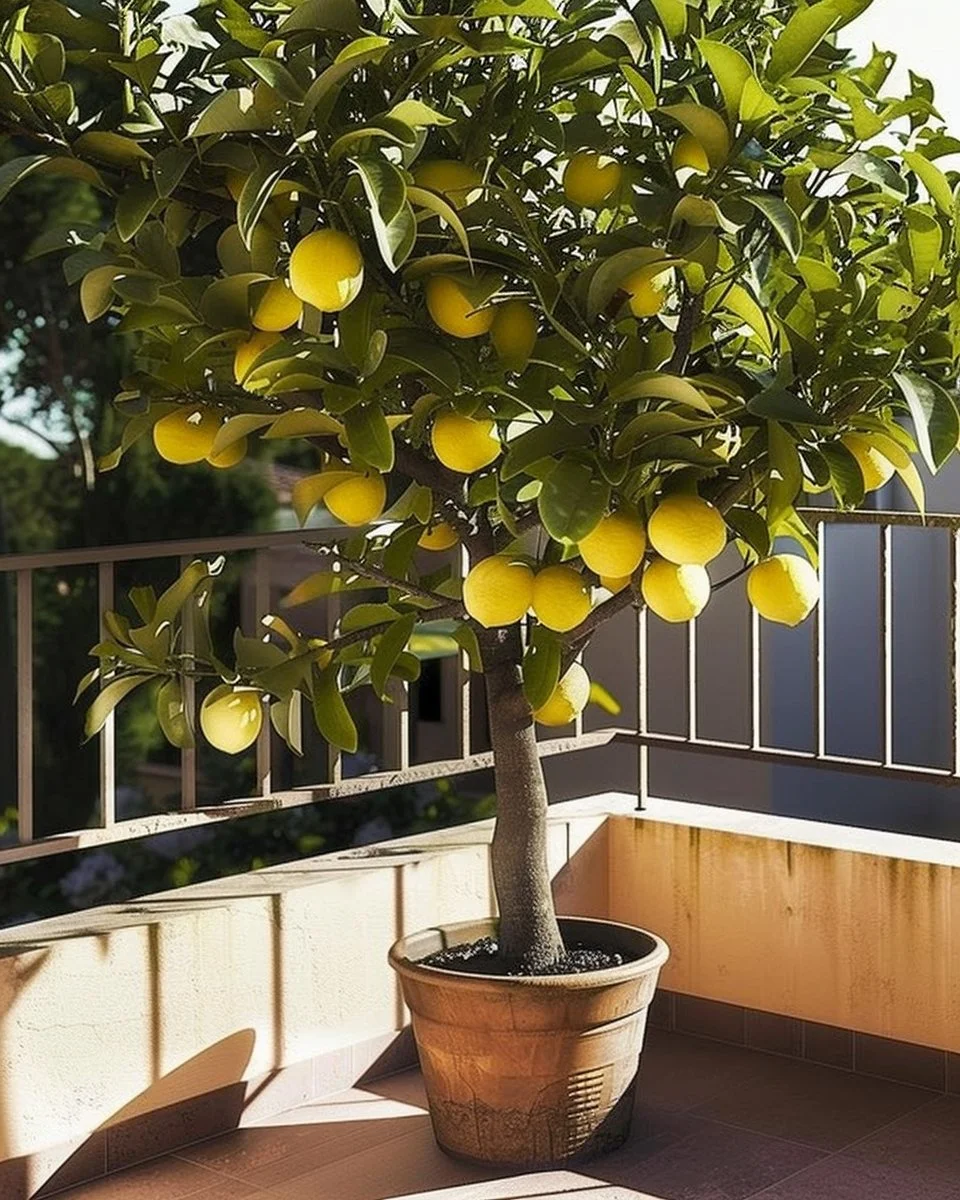
Have you ever stepped into a garden filled with the invigorating scent of citrus trees? The bright yellow fruits, perched amidst glossy green leaves, are nothing short of a delight. Growing a lemon tree in a pot not only transforms your outdoor space into a veritable lemon orchard but also offers the chance to enjoy homegrown lemons right at your fingertips. In this article, I’ll share 10 Tactics To Grow A Lemon Tree In A Pot that will empower you to nurture a thriving, fruit-bearing tree, even if you’re limited on space. With just a little care and know-how, you can bring a slice of sunshine into your home. Let’s dig in!
Table of Contents
Choosing the Right Variety
When you’re diving into the world of citrus, picking the right lemon variety is crucial. Some varieties thrive in pots better than others. Let’s explore a couple of popular potted lemon varieties.
Popular Potted Lemon Varieties
If you’re looking for great options, the ‘Improved Meyer’ is a favorite. Its sweet, thin-skinned lemons are delicious, and the tree is compact, making it perfect for pots. Another option is the ‘Ponderosa’ lemon, known for its large fruits and robust growth. Each variety comes with its own unique characteristics, so consider what suits your taste!
Considerations for Your Climate
It’s essential to consider your local climate before making a selection. If you live in a warmer region, most varieties will do well. However, if you experience harsh winters, a pot allows you to bring the tree indoors for protection. This adaptability can be a game-changer!
Selecting the Ideal Pot
The container you choose plays a significant role in the health of your lemon tree. Let’s break down some essential factors to consider.
Size Matters
A pot that’s too small will limit your tree’s growth and fruit production. Ideally, start with a pot that’s at least 12-14 inches in diameter for young trees. As your lemon tree grows, consider upgrading to larger pots to accommodate its expanding roots.
Drainage and Materials
Ensure your pot has ample drainage holes to prevent water from pooling at the bottom. This is critical, as lemon trees are particularly prone to root rot. Terra cotta and ceramic pots are great options since they allow for better air circulation. They also add a wonderful aesthetic to your patio or garden space.
Soil Selection and Nutrition
Next up is soil. Not all potting soils are created equal, especially when it comes to growing citrus.
Essential Nutrients for Lemon Trees
Lemon trees thrive in nutrient-rich soil. Look for a well-draining potting mix that contains organic matter. Adding a slow-release fertilizer specifically designed for citrus can give your tree the nutrients it needs to flourish.
Potting Mix Recommendations
You might want to consider a blend of peat moss, pine bark, and perlite or sand. This mix provides excellent drainage while retaining enough moisture for your tree to draw up nutrients effectively.
Watering Guidelines
Watering is an essential part of caring for your lemon tree. It’s all about balance here!
Recognizing Water Needs
Lemon trees prefer moist soil, but overwatering can be a death sentence. A good rule of thumb is to water when the top inch of soil feels dry. Remember, well-draining soil will prevent water build-up, so always check moisture levels before pouring.
Adjusting for Seasons
In summer, your tree might require more frequent watering due to increased evaporation. In contrast, you’ll need to lessen your watering routine in cooler months. Observing your tree’s response is key—have you noticed any yellowing leaves? It could be a sign of overwatering, so adjust accordingly!
Sunlight Requirements
Lemon trees love sunlight, but where you position them can make a world of difference.
Finding the Perfect Spot
Ideally, lemon trees need at least 8 hours of direct sunlight each day. If possible, place your tree in a south-facing position where it can soak up those rays. If you’re growing it indoors, consider rotating it regularly to ensure all sides receive light.
Indoor vs. Outdoor Growth
If you live in a colder climate, bringing your lemon tree indoors during winter is crucial. In this case, you might use grow lights to supplement natural sunlight.
Pruning and Shaping Your Lemon Tree
Pruning is another essential tactic for maintaining a healthy lemon tree. It encourages growth and can lead to better fruit production.
Techniques for Healthier Growth
When pruning, remove any dead or damaged branches. You’ll also want to thin out crowded branches to allow for better air circulation. Aim to maintain a balanced shape so sunlight can evenly reach all parts of the tree.
When and How to Prune
The best time to prune is in late winter or early spring, just before the tree starts its growing period. Use sharp, clean tools for a clean cut and to minimize the risk of disease.
Pest and Disease Management
Like all plants, lemon trees can fall victim to various pests and diseases. Spotting these issues early can save your tree!
Common Issues with Lemon Trees
Some common pests include aphids, spider mites, and scale insects. Keep an eye on the leaves—if you see small spots or sticky residue, inspect for pests.
Organic Solutions
Consider using neem oil or insecticidal soap as organic solutions to control infestations. These methods are effective and safe for edible plants. Additionally, keeping your tree healthy with proper care can naturally deter many pests.
Harvesting Your Lemons
After all your hard work, it’s time to enjoy the fruits of your labor.
Knowing the Right Time
Lemon harvesting is all about timing. Generally, you should wait until the lemons turn a sunny yellow color. If they’re still tinged with green, give them a bit more time. Ripe lemons should feel firm yet slightly soft when squeezed.
Proper Harvesting Techniques
To harvest, use garden shears to cut the lemon from the branch, leaving a short stem attached. This method helps prevent damage to the tree and keeps the fruit fresher longer. Enjoy the satisfaction of picking fresh lemons from your very own potted tree!
Conclusion
Growing a lemon tree in a pot is not just a rewarding experience but also a step towards cultivating a vibrant garden. With the 10 Tactics To Grow A Lemon Tree In A Pot, you can turn your gardening dreams into reality. From choosing the right variety to ensuring proper watering and sunlight, each tactic plays an essential role in your tree’s development. So, roll up your sleeves, grab a pot, and get ready to enjoy the enticing aroma and taste of fresh lemons right from your home!
FAQs
Q: How long does it take for a potted lemon tree to bear fruit?
A: Generally, it can take anywhere from 3 to 5 years for a potted lemon tree to produce fruit, but it can vary by variety and growing conditions.
Q: Can I grow a lemon tree indoors permanently?
A: Yes, lemon trees can thrive indoors as long as they receive enough sunlight, ideally through south-facing windows or with grow lights.
Q: What temperature is ideal for a potted lemon tree?
A: Lemon trees prefer temperatures between 60°F and 70°F. Keep them sheltered from cold drafts, especially in winter.
Q: How often should I fertilize my potted lemon tree?
A: You can fertilize every 6-8 weeks during the growing season with a balanced fertilizer formulated for citrus trees.
Q: What’s the best time of year to repot a lemon tree?
A: The ideal time to repot is in spring, just before the growing season begins. This gives your tree plenty of time to adjust to its new environment.