
Introduction
Picture this: you step outside, and the sun is shining, birds are chirping, and all around you is a vibrant garden bursting with life. Whether you dream of a peaceful retreat, a lively space for gatherings, or a sustainable food source, designing your dream garden can feel overwhelming. But it doesn’t have to be! With the right approach, anyone can create a garden that not only meets their needs but also fills their heart with joy. In this guide, we’ll take you through the 10 Steps to Design the Garden of Your Dreams, offering practical tips and inspiration to help you along the way. By the end, you’ll be equipped with everything you need to cultivate that perfect outdoor haven. Let’s dig in!
Table of Contents
Understanding Your Gardening Goals
Every great garden begins with a vision. First, reflect on what you truly want from your garden. Is it a peaceful escape from your busy life? A vibrant space for entertaining friends and family? Perhaps even a plot for vegetables? Understanding your objectives is crucial. Ask yourself: What inspires me? What do I want to achieve?
To help with this, take a moment to jot down your top three intentions for your garden. Consider aspects like aesthetics, functionality, and sustainability. By clearly defining these goals, you’ll set a strong foundation for the rest of your design process.
Defining Your Garden’s Purpose
Once you have a clear vision, it’s time to get specific. Your garden can serve multiple purposes, so prioritize them. Imagine hosting summer barbecues or having a serene spot for morning coffee. Each activity will influence your design and plant choices. For example, if you plan on having gatherings, you may want to create open spaces that encourage mingling while also ensuring seating areas are inviting and comfortable.
Assessing Your Space and Conditions
Next, take stock of your available space. Walk through the area where you intend to create your garden. Note aspects such as sunlight, wind patterns, soil quality, and drainage. Every garden has its unique microclimate and understanding this will be essential for choosing the right plants. For instance, if a portion of your yard gets full sun while another is mostly shaded, you’ll need to select plant varieties that thrive in those conditions.
Planning Your Garden Layout
The layout of your garden is vital to how you interact with the space. It affects both functionality and aesthetics.
Utilizing Visual Tools
Consider having fun with your planning by using graph paper or garden design software. Sketch out several designs, experimenting with various layouts before settling on one that feels right. This visual representation helps ensure that your design aligns with your goals and the physical characteristics of your space.
Incorporating Pathways
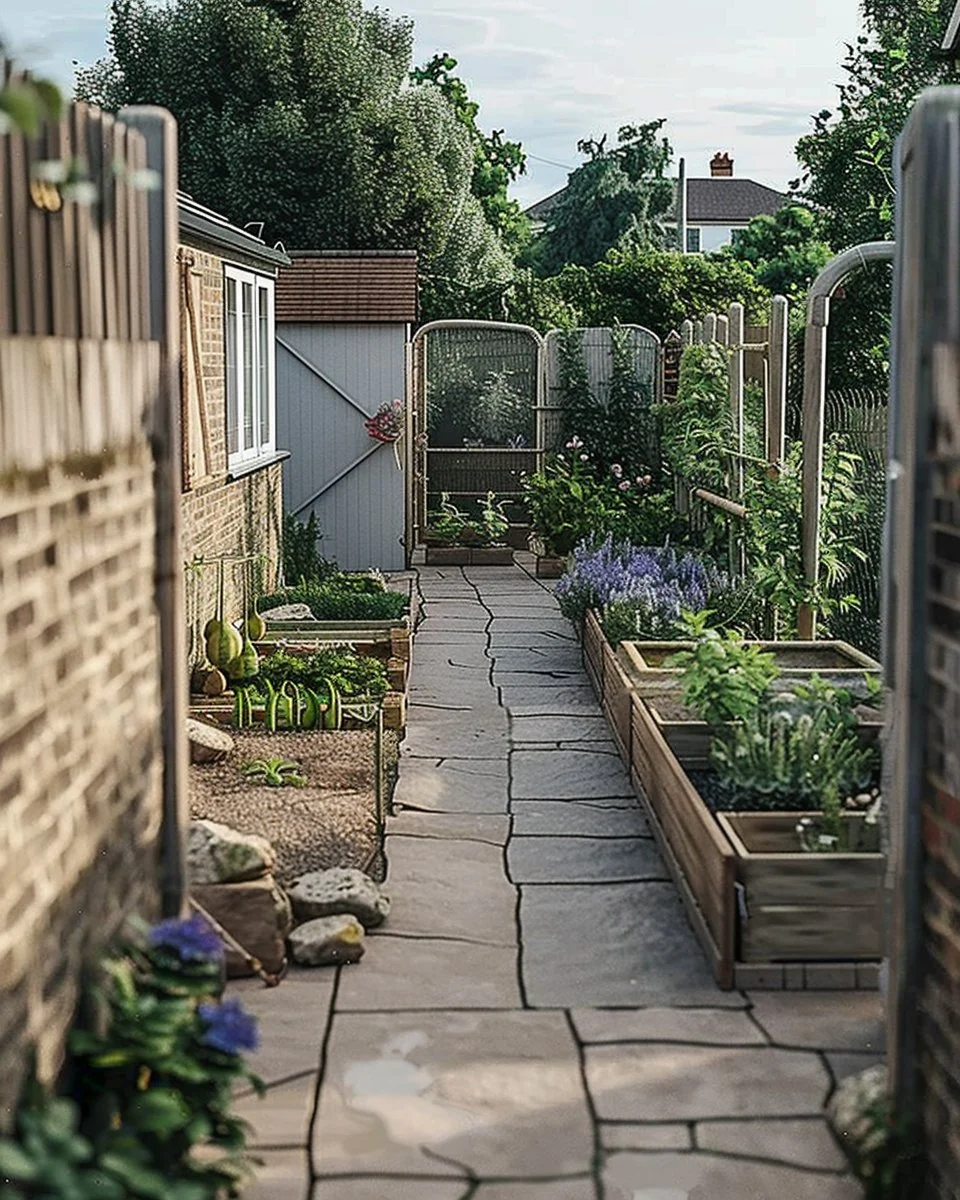
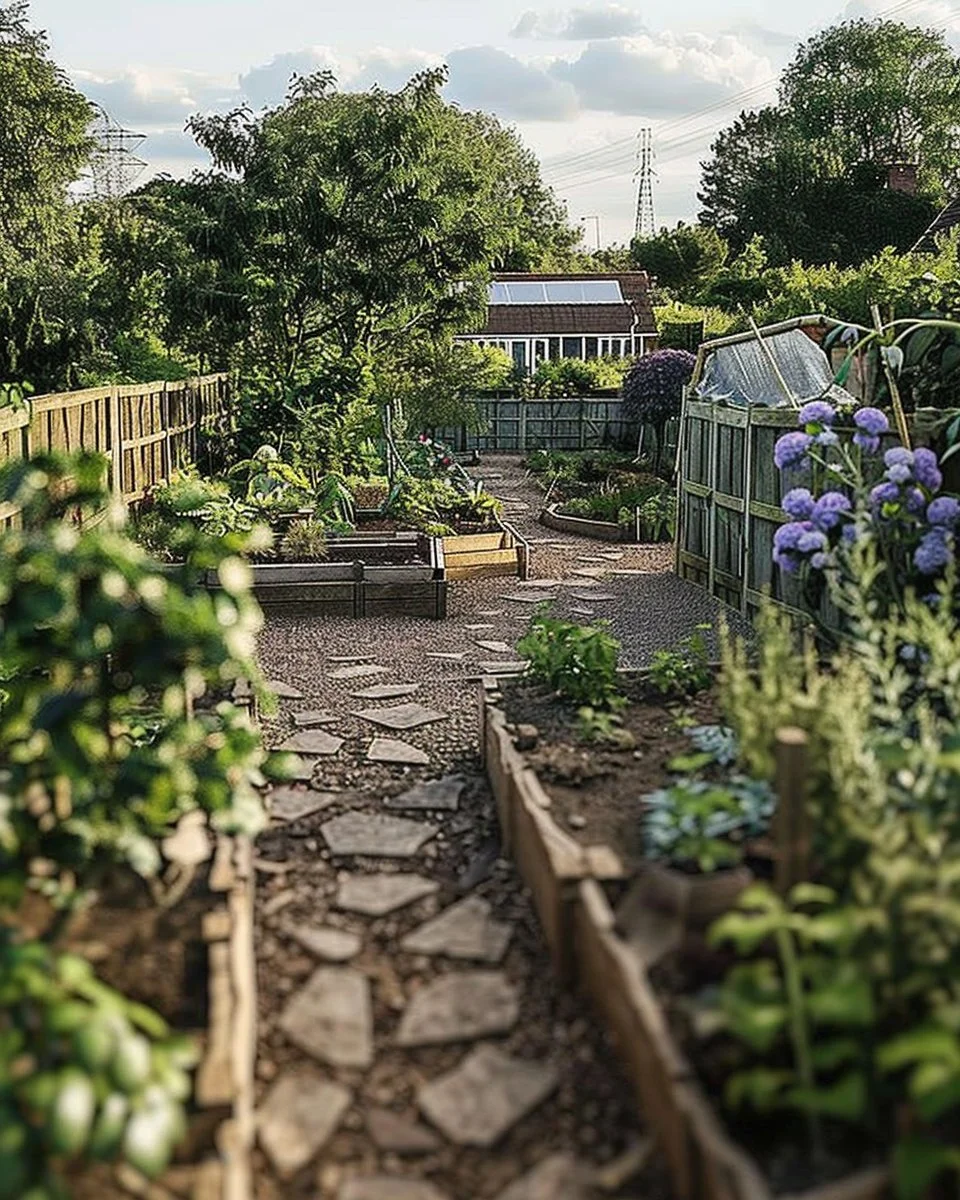
Pathways can enhance your garden’s layout dramatically. They lead the eye through the space while providing practical access for maintenance. Think about how you’ll navigate your garden—this can influence the materials you use for pathways as well as their placement. Wide, meandering paths may offer a more natural feel, while straight lines lend a formal appearance.
Selecting the Right Plants
Now comes one of the most exciting parts of the process: choosing your plants! A well-planned garden is a diverse garden.
Choosing Native Species
Start by considering native plants, which are better suited for your climate and require less maintenance. These plants often attract local wildlife and support the ecosystem, making your garden not only beautiful but also beneficial. For example, if you live in a region that supports wildflowers, include a few native varieties that bloom at different times to ensure continuous color and interest throughout the seasons.
Considering Seasonal Blooms
Incorporating a variety of plants that flower in different seasons can provide lasting beauty in your garden. Perhaps start with early bloomers like crocuses in early spring, transitioning to luscious summer petals like dahlias, and culminating in fall colors with asters or chrysanthemums. Think about how you can create a garden that’s visually appealing all year round.
Designing for Functionality
A garden goes beyond just aesthetics; it must be functional as well.
Zones and Areas
Creating dedicated zones within your garden can enhance its usability and appeal. Think about having separate areas for relaxation, dining, and perhaps a small vegetable or herb section. These distinct spaces make gardening more enjoyable and organized, so you can easily enjoy your time outdoors.
Functional Features
Don’t forget about practical elements that can enhance your garden’s usability: things like seating areas, fire pits, or even a small water feature. These installations add a layer of enjoyment and can transform your garden into your personal oasis. Incorporate hardscaping elements carefully to ensure that they blend harmoniously with your plants.
Creating a Maintenance Plan
After all that planning, it’s essential to think about how to care for your new garden.
Understanding Care Requirements
Different plants come with distinct care needs. Make a chart that details how often each plant needs watering, pruning, or fertilizing. This will help you stay organized and ensure your garden thrives. Remember to take notes as you learn what works best in your space.
Scheduling Tasks
With your chart in hand, create a maintenance schedule. Knowing when to tackle specific care tasks and how often to check in on your garden help reduce the risk of overwhelming yourself. Setting reminders on your phone can keep you accountable and allow you to enjoy your gardening experience fully.
Adding Decorative Elements
Once your garden is taking shape, it’s time to infuse it with personal touches that reflect your style.
Personalizing Your Space
You might find inspiration in garden decor, such as sculptures, ornaments, or whimsical birdhouses. These elements can add charm and personality to your garden, making it uniquely yours. Think about pieces that connect with your interests, and don’t shy away from creativity!
Utilizing Color and Texture
Play with colors and textures in your planting design to create visual interest. Consider combining soft foliage with bold flowers or varying heights within your garden. This diversity fuels the sense of excitement as you wander through your personal paradise.
Pollinator and Wildlife Attraction
A thriving garden serves not just its owner but also the surrounding ecosystem.
Encouraging Essential Wildlife
Designing your garden to attract pollinators like bees and butterflies is not only beneficial for your plants but also supports the overall environment. Incorporate nectar-rich flowers and safe habitats such as bee hotels or butterfly bushes. These small adjustments can have a significant impact.
Benefits of a Biodiverse Garden
Plus, the more diverse your garden, the healthier it will be. A variety of plants can reduce pest problems naturally and create a more resilient ecosystem. Have you ever noticed how a garden filled with different plants seems to flourish better than a single-species space? This is the beauty and balance of biodiversity!
Conclusion
Designing your dream garden is an exciting journey that allows your creativity to blossom. By following the 10 Steps to Design the Garden of Your Dreams, you’ll not only cultivate a beautiful space, but you’ll also create an environment that brings you joy, sustains wildlife, and offers a slice of peace in your life. Remember to savor each step of the process and enjoy watching your vision come to life.
FAQs
What are the best plants for a beginner gardener?
Beginners should consider hardy varieties like marigolds, sunflowers, and basil. These plants are easy to grow and require minimal maintenance.
How do I improve the soil quality in my garden?
You can improve soil quality by adding organic matter like compost or well-rotted manure. This enhances nutrient content and improves drainage.
What is the best season to start a garden?
Spring is typically the best season to begin a garden, as it offers warm soil and longer daylight hours, promoting healthy plant growth.
How often should I water my garden?
Watering frequency depends on weather conditions and plant types. A good rule of thumb is to water deeply once a week unless it’s particularly hot or dry.
Can I design a garden in a small space?
Absolutely! Small spaces can be incredibly charming, too. Think vertical gardens, container planting, and creatively using pathways to maximize your area.