
Introduction
There’s something truly magical about stepping into your own garden and harvesting fresh produce right from the earth. Whether you’re a seasoned gardener or just starting, the joy of picking a ripe peach or a juicy strawberry is unmatched. However, if you’re feeling stuck in a rut or unsure of how to maximize your outdoor space for fruit production, don’t worry! In this article, we’re going to explore 10 fresh fruit garden ideas to make produce from your outdoor space. You’ll discover creative approaches, practical tips, and even some inspiring anecdotes that could help turn your garden into a lush paradise of fruits.
Table of Contents
Creating Fruit Garden Beds
Establishing dedicated fruit garden beds is a fantastic way to start your fruit-growing journey. It allows you to manage the soil quality and spacing effectively, leading to happier plants and more bountiful yields.
Choosing the Right Location
Selecting the right location for your garden beds can make all the difference. Most fruit plants love sunshine, so look for a spot that gets at least six hours of direct sunlight each day. Avoid areas where water sits after rain, as this could lead to root rot.
Selecting the Best Soil
Next, invest in high-quality soil enriched with organic matter. Mixing compost into your garden beds will provide necessary nutrients and improve drainage. If you’re unsure about your soil quality, consider a soil test to understand its composition and pH levels.
Vertical Gardening Techniques
If you’re working with limited horizontal space, vertical gardening may be just what you need. This innovative technique can maximize your yield while minimizing your footprint.
Benefits of Vertical Gardening
Vertical gardening allows you to grow fruit plants upwards, which can reduce disease incidence, improve air circulation, and make harvesting easier. Plus, it adds a fantastic visual appeal to your garden.
Ideal Fruits for Vertical Gardens
Consider planting strawberries, cucumbers, or even trellised tomatoes and peas. These plants thrive when trained to grow vertically and can often produce more fruit than those grown in traditional beds.
Companion Planting for Fruits
Have you ever wondered if certain plants can grow better together? Companion planting is a method where you plant different types of plants close to enhance each other’s growth.
What Is Companion Planting?
Some plants, when planted near each other, can deter pests, enhance nutrient uptake, or improve flavor. For instance, planting basil near tomatoes can improve their taste and fend off pests!
Best Companion Plants
Try pairing strawberries with spinach or garlic near fruit trees. These combinations can promote a healthier garden ecosystem, allowing you to enjoy a richer harvest.
Edible Landscaping Ideas
Why not turn your entire yard into a fruitful wonderland? Edible landscaping involves incorporating fruit-bearing plants into your decorative garden.
Blending Aesthetics with Productivity
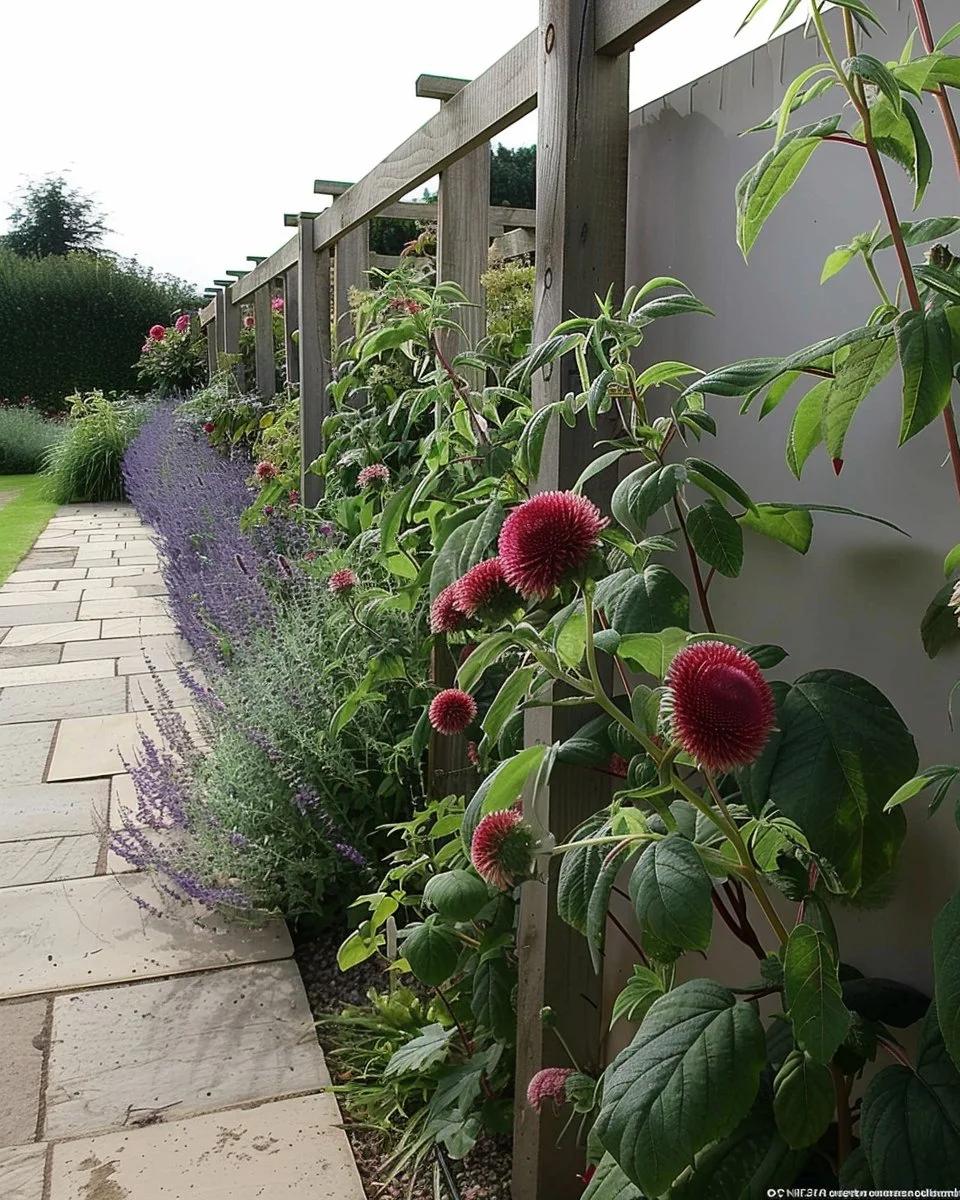
Imagine a beautiful archway of grapevines or colorful berry bushes bordering your walkways! The goal is to create a lush environment that looks stunning and produces fruit.
Types of Edible Plants for Landscaping
Consider flowering fruit trees like cherry or plum, berry bushes, and even herbs like rosemary or lavender. These not only provide food but also attract pollinators, boosting your overall garden health.
Container Gardening for Small Spaces
For those of us with limited space, container gardening is an excellent solution that allows you to cultivate fruit even on a balcony or patio.
Best Fruits for Containers
Fruits like strawberries, dwarf blueberries, and certain varieties of cherry tomatoes thrive in pots. Choose pots that are at least 12 to 18 inches in diameter for optimal growth.
Care Tips for Container Gardens
Ensure your containers have proper drainage and regularly check moisture levels, as container plants can dry out quicker than those in the ground. Embrace a watering schedule, and don’t forget to fertilize occasionally!
Seasonal Planting Strategies
Timing is everything in gardening. Understanding your local climate and seasonal changes can drastically improve your harvest.
Understanding Your Growing Zone
Knowing your hardiness zone helps you choose the right fruits to plant. For example, if you live in a warmer region, you might consider planting peaches or figs, while cooler areas might best host apples or raspberries.
Seasonal Fruit Options
Spring is ideal for strawberries, while late summer is perfect for blueberries. Plan out your planting schedule based on the seasons to ensure a continual harvest throughout the year.
DIY Fruit Garden Projects
Feeling crafty? There are plenty of DIY projects to give your fruit garden a unique flair and optimize growth.
Building Raised Beds
Raised garden beds provide better drainage and soil quality. You can easily create one using sturdy lumber and follow straightforward construction steps to ensure longevity.
Creating a Fruit Trellis
A trellis can support climbing fruits and make harvesting simple. Constructing one is as easy as using wood or metal stakes and wire to create an inviting environment for your plants.
Conclusion
In conclusion, turning your outdoor space into a flourishing fruit garden opens up a world of possibilities. With these 10 fresh fruit garden ideas to make produce from your outdoor space, you can engage with nature, enjoy fresh fruits, and even enhance your home’s aesthetics. Remember, every garden is unique—embrace your creativity and have fun with it! Don’t hesitate to try different methods and techniques. In gardening, the only limit is your imagination!
FAQs
What are the best fruits to start growing as a beginner?
Strawberries and tomatoes are excellent starter fruits. They’re relatively easy to care for and yield quickly.
How much sunlight do fruit plants need?
Most fruit plants thrive on at least 6 to 8 hours of direct sunlight each day.
Can I garden without a backyard?
Absolutely! Container gardening on a balcony or patio can be incredibly fruitful.
How often should I water my fruit plants?
It varies by plant and weather conditions, but generally, you want the soil to remain moist, not soggy.
What should I do if pests invade my fruit garden?
Consider using natural pest deterrents like neem oil or introducing beneficial insects that prey on pests.