
Introduction
Have you ever gazed out at your yard and felt a longing for that extra bit of privacy or a more natural aesthetic? You’re not alone! Many garden enthusiasts look for ways to enhance their outdoor spaces, and one of the most charming and effective solutions is creating natural fencing with trees. Natural fencing not only provides privacy but also adds beauty and ecological benefits to your landscape. In this article, we’ll delve into the 10 Best Trees for Natural Fencing, discussing their benefits, growth habits, and ideal planting conditions. By the end, you’ll be equipped with knowledge to choose the perfect trees that will complement your yard while achieving that ultimate privacy you desire.
Table of Contents
Benefits of Trees for Fencing
When considering natural fencing, it’s essential to recognize the myriad benefits trees offer beyond just boundary definition. First and foremost, trees create a natural barrier against noise pollution, which can be particularly helpful if you live in a busy neighborhood or near a road. They also improve air quality and support local wildlife, making your garden an eco-friendly haven. Plus, let’s not forget about the aesthetic appeal. A row of trees can transform an ordinary yard into a lush paradise.
Have you ever noticed how being surrounded by greenery can boost your mood? Trees can make your outdoor experience more enjoyable by providing shade, acting as windbreaks, and creating habitats for birds and insects.
Choosing the Right Trees
Climate Considerations
Before you start selecting trees, it’s crucial to consider your local climate. Each tree species has specific temperature ranges, precipitation requirements, and sunlight needs. For example, some trees thrive in wet conditions while others prefer dry or sandy soils. Researching your USDA Hardiness Zone can guide you in selecting trees that will flourish in your environment.
Space and Growth Habits
Another vital consideration is how much space you have available. Trees need room to grow both above and below ground. Take into account their mature size and root spread. Plant them where they won’t overcrowd other plants or structures, and be mindful of how their height may affect neighboring landscapes.
The 10 Best Trees for Natural Fencing
Arborvitae
Arborvitae are like nature’s privacy screen. They grow tall and have a thick evergreen foliage that can make you feel completely secluded. They’re fast-growing and tolerate a range of soils, making them an ideal choice for quick privacy.Leyland Cypress
This tree is known for its rapid growth, reaching heights of up to 70 feet. Leyland Cyresses form a dense barrier and are excellent for blocking unwanted views while being relatively low-maintenance.Eastern Red Cedar
Not exactly a cedar but a juniper, the Eastern Red Cedar offers a rugged beauty with its colorful bark and aromatic foliage. Plus, its hardiness means it can withstand various weather conditions while establishing a solid fence against prying eyes.Boxwood
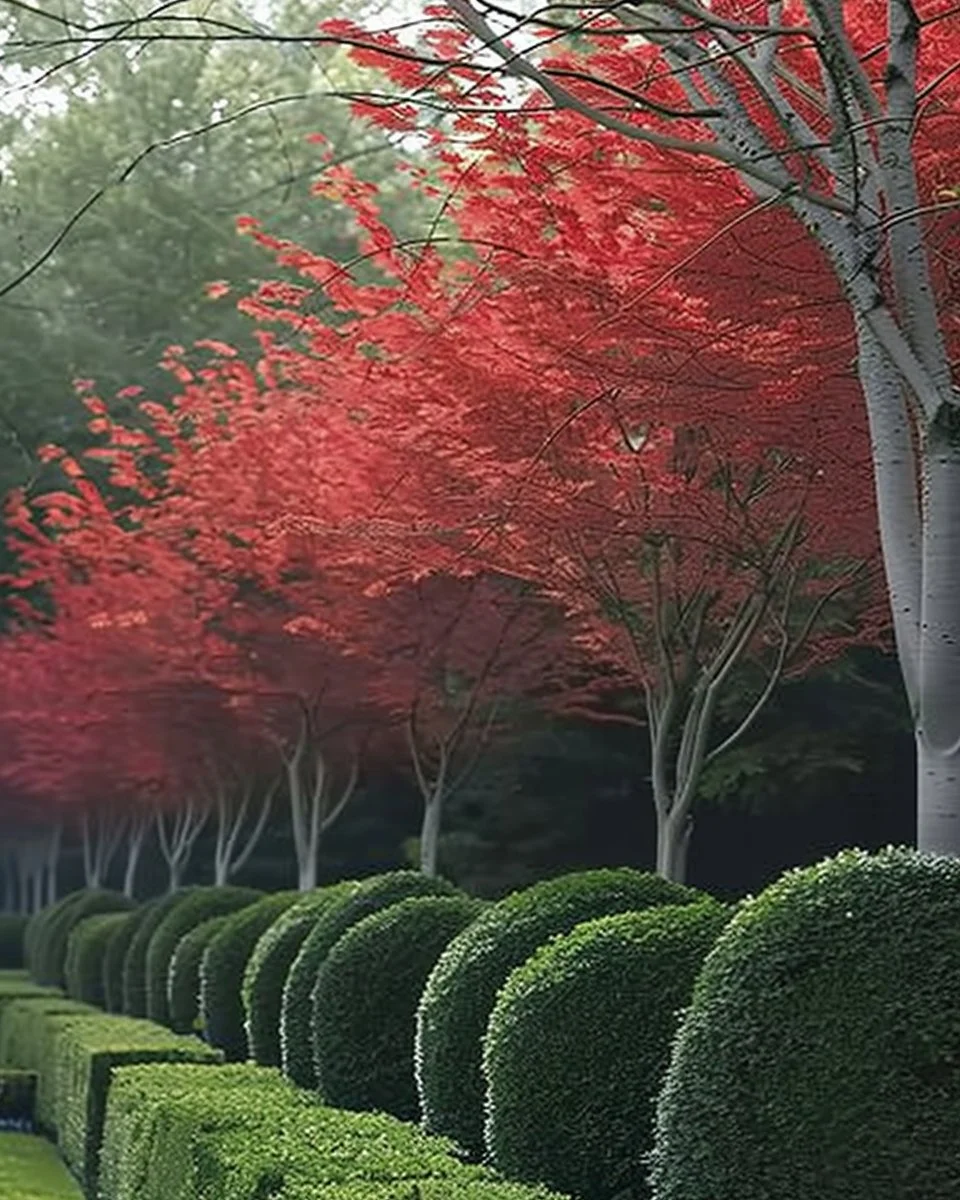
If you prefer a more formal look, boxwoods are ideal candidates. They can be shaped easily and create a more manicured appearance while offering year-round greenery. They work well for shorter fences, making them perfect if you still want to enjoy the view.Privet
Known for their dense growth and ease of maintenance, privets make excellent natural fences. They can be trimmed to your desired height and provide a lush green wall in no time. Just be cautious, as they can be quite invasive in some areas.Bamboo
Offering a unique and tropical vibe, bamboo can grow incredibly quickly—some species can reach mature heights within a single growing season. It’s crucial, however, to choose clumping varieties to avoid it becoming invasive.Holly
With its spikey leaves and vibrant red berries, holly offers both beauty and security. It can create an impressive natural fence that’s hard to penetrate, providing both privacy and a festive look in winter.Spruce
Spruce trees are not just for Christmas! They can provide an effective natural fence with their conical shape and dark green color. Plus, they’re great for colder climates, offering year-round coverage.Red Maple
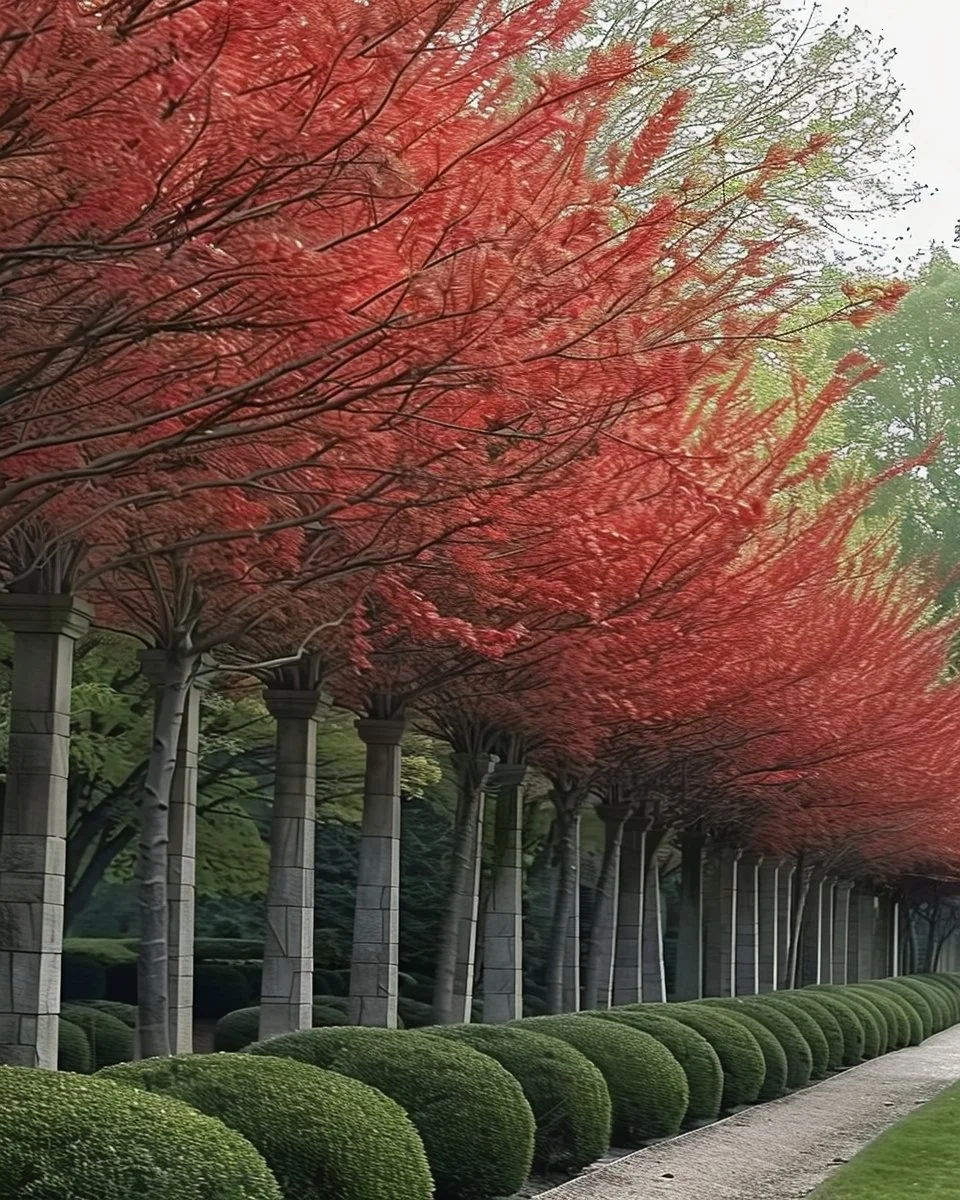
While not a traditional fencing tree, Red Maples grow relatively fast and offer stunning fall colors. When planted strategically, they can create a more varied natural fence that complements seasonal changes.Leland Cypress
Another fast-growing evergreen, Leland Cypress is a favorite for creating natural privacy. They boast a conical shape and lush green foliage, providing a perfect screen against noise and unwanted views.
Tips for Planting and Maintenance
When it comes to planting your trees, timing is everything. Early spring or fall tends to be the best seasons for planting, as it allows the roots to establish before extreme temperatures set in. Make sure to give trees plenty of space between them to allow for their growth.
Watering is crucial, especially in the first few years. Establishing a deep root system will facilitate longevity and resilience. Also, consider mulching around the base of each tree to conserve moisture and suppress weeds.
Regular pruning will help maintain shape, health, and density. It’s worth noting that some trees might require more upkeep than others, so do your research for the species you choose.
Conclusion
Incorporating trees into your outdoor space can enhance privacy, beauty, and eco-friendliness. By exploring the 10 Best Trees for Natural Fencing, you’ve learned a variety of options suited to numerous climates and preferences. From the towering Leyland Cypress to the elegant Boxwood, there’s a tree to fit every need. So, how will you transform your yard into a private haven? Remember, the key is to choose trees that resonate not only with your aesthetic preferences but also harmonize with your local environment.
FAQs
What are the best trees for natural fencing in a small yard?
If your yard is small, consider trees like Boxwood or Arborvitae, which grow vertically and require less horizontal space.
How quickly do these trees grow?
Growth rates vary by species. For instance, Leyland Cypress can grow up to 3 feet per year, while Boxwoods are slower growers.
Can I use fruit trees for natural fencing?
Yes, fruit trees can be used, but their maintenance varies, and they might not provide as much privacy as traditional fencing trees.
How far apart should I plant the trees?
It’s generally recommended to space them according to their mature width—most trees should be planted 3 to 6 feet apart.
What kind of maintenance do these trees require?
Maintenance varies by species but generally includes watering, mulching, and occasional pruning to maintain their shape and health.