
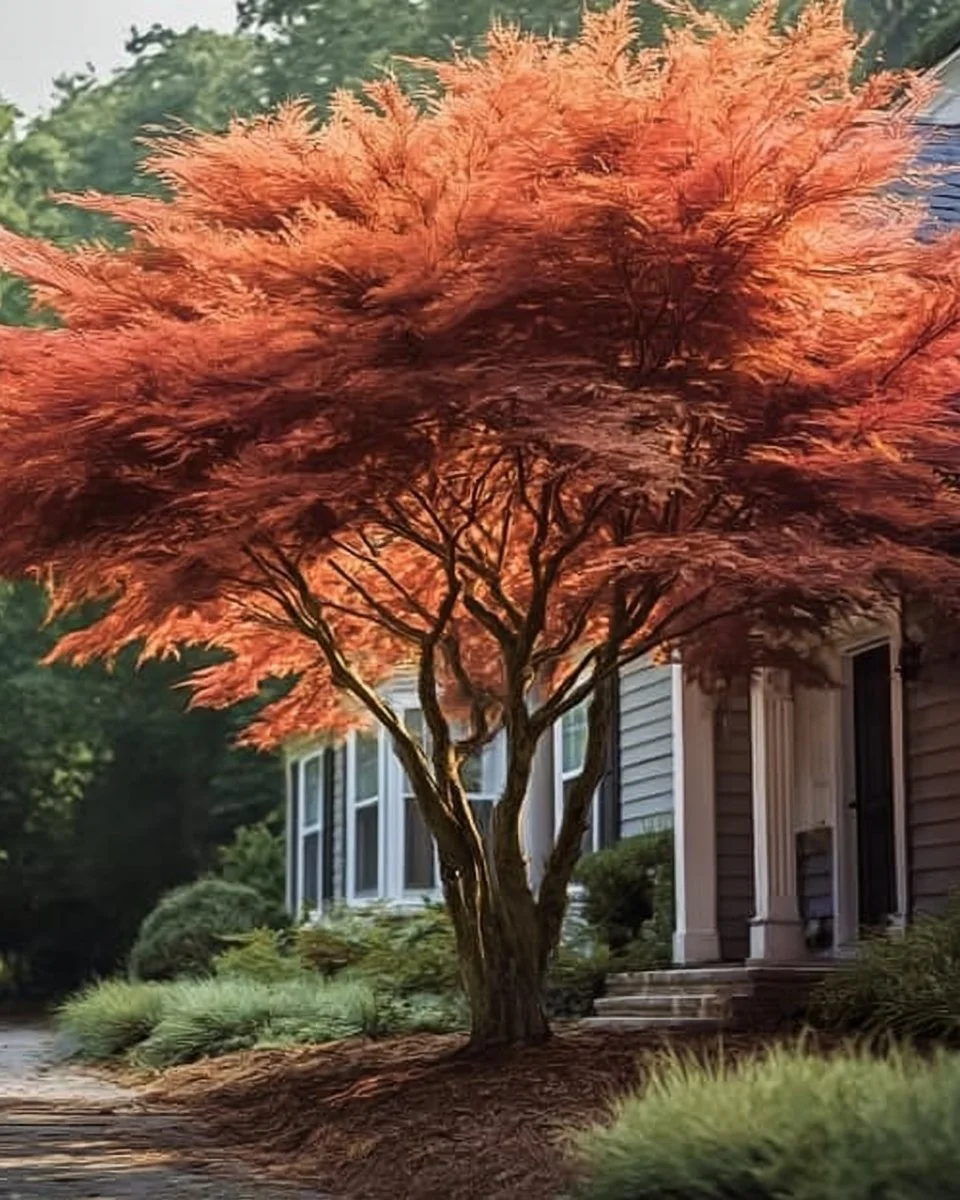
Have you ever strolled through a neighborhood and noticed how some homes just seem to glow with greenery? Trees can add splendor and charm to any yard, particularly in those often-forgotten house corners where landscaping can feel a bit challenging. They not only enhance curb appeal but also provide shade, improve air quality, and create a welcoming atmosphere. In this article, we’ll explore the 10 Best Trees for House Corners and how you can choose the perfect fit for your home, regardless of your landscape or climate. You’ll find guidance on selecting trees that are both beautiful and practical, helping you transform those corners into living focal points.
Table of Contents
10 Best Trees for House Corners
When it comes to selecting trees, it’s essential to consider their size, shape, and growth patterns. You’ll want to ensure they fit well without becoming overwhelming. Let’s dive into some fantastic options that work wonderfully in house corners.
Dwarf Trees
Dwarf trees are excellent choices for small corners, offering the beauty of full-sized trees without overwhelming the space. Here are a few standout options:
Mugo Pine: This evergreen has a compact growth habit, making it perfect for tight spaces. Mugo Pines provide year-round color and are low-maintenance.
Dwarf Japanese Maple: Known for its stunning foliage that can range from deep reds to vibrant greens, this small tree brings a sense of tranquility to your yard.
Columnar Trees
Columnar trees have an elegant, upright shape that takes up less horizontal space, making them ideal for tight corners. Some favorites include:
Sky Pencil Holly: This visually striking tree grows straight up, making it great for accentuating vertical space. Its glossy leaves bring a touch of sophistication.
Serbian Spruce: Another narrow option, the Serbian Spruce is a hardy tree with beautiful needles that add texture throughout the year.
Flowering Trees
Flowering trees can add seasonality and color to any landscape. Consider these fabulous options:
Redbud: With its magnificent pink blossoms in early spring, the Redbud can lift any corner right out of the ordinary.
Hawthorn: This charming tree blooms with clusters of white flowers, attracting pollinators and brightening your yard.
Factors to Consider When Choosing Trees
When selecting trees for your home’s corners, several factors come into play. Let’s break these down so you can make an informed decision.
Space and Size
You should always assess your available space before choosing a tree. Generally, larger trees might not thrive in tight corners due to their root spread. At the same time, a too-small tree may be hidden by your home or other landscaping. A good rule of thumb is to pick a tree whose mature size fits comfortably within the space while complementing the home’s architecture.
Climate and Soil Type
Not all trees grow well in every climate. For instance, Persian Ironwood thrives in well-drained soils and full sun, while Sweetbay Magnolia prefers damp, acidic conditions. Understanding the climate and soil types in your area is crucial for successful selection and growth.
Maintenance Requirements
Trees come with varying levels of care. Some require regular pruning, while others are more self-sufficient. If you’re looking for low-maintenance options, focus on native species or consult your local nursery for recommendations.
Care and Maintenance for Your Corner Trees
Once you’ve chosen your trees, it’s essential to keep them healthy. Here are some fundamental care tips:
Watering
Newly planted trees need regular watering until they establish their root systems. Aim for deep watering sessions once a week, longer periods during droughts. As they mature, they’ll require less frequent watering.
Pruning
Regular pruning not only helps maintain the shape of your trees but also encourages healthy growth. Remove any dead or crossing branches and keep the canopy airy to allow light and air to reach the inner parts.
Fertilizing
Look to fertilize your trees in early spring or late fall. Use a balanced slow-release fertilizer to promote strong growth without overwhelming the soil with nutrients.
Creative Planting Ideas for House Corners
Your house corners can be transformed creatively with the right planting combinations. Let’s explore some ideas to maximize your landscape’s potential.
Companion Planting
Consider pairing your trees with colorful perennial flowers or shrubs. For example, planting low-growing perennials like daylilies or hostas around the base of your tree can create an appealing layered effect that draws the eye.
Layering for Aesthetic Appeal
Layering is about creating depth through the height of plants. You might, for example, plant a flowering tree against the backdrop of a taller evergreen to give the area a structured look while allowing your lovely blooms to shine.
Benefits of Planting Trees in House Corners
Planting trees in your house’s corners provides numerous benefits beyond aesthetics. Let’s discuss why these choices are advantageous.
Environmental Benefits
Trees play a vital role in improving air quality by absorbing carbon dioxide and providing oxygen. They also help with stormwater management by stabilizing soil and preventing erosion.
Aesthetic Enhancements
The right trees can draw attention away from functional elements, such as utility meters or pipes, while bringing beauty and harmony to your landscape. A well-placed tree can elevate your home’s overall vibe.
Conclusion
Transforming your house corners with trees can enhance both the beauty and value of your home. Remember to choose the right species based on size, climate, and maintenance needs. Whether you opt for a charming dwarf tree or a grand flowering variety, each tree can breathe life into your landscape. So go ahead and elevate those corners with the 10 Best Trees for House Corners that suit your style and needs!
FAQs
What are the best trees for small spaces?
Dwarf trees such as Mugo Pine or Dwarf Japanese Maple are ideal for small areas, offering beauty without extensive growth.
How often should I water young trees?
Newly planted trees should be watered deeply once a week until established. Monitor the soil and adjust frequency during dry spells.
Can flowering trees handle colder climates?
Yes, many flowering trees are available for colder regions. Look for varieties known for hardiness, such as Redbuds or Hawthorns that thrive in your USDA hardiness zone.
Do I need to prune my trees?
Yes, regular pruning is important for maintaining tree health, shape, and airflow. Aim to prune at least once a year.
What trees are low maintenance?
Native trees generally require less care as they’re adapted to the local climate and conditions. Consult your local nursery for recommendations.